
APPLICATIONS / SOURCING & PROJECT SUPPORT
Jewelry Brand Component Sourcing for Collection Development
Bring your collection’s parts, finishes and project requirements into one brief. Discuss component purchasing, multi-SKU sourcing, assembly or semi-custom development.
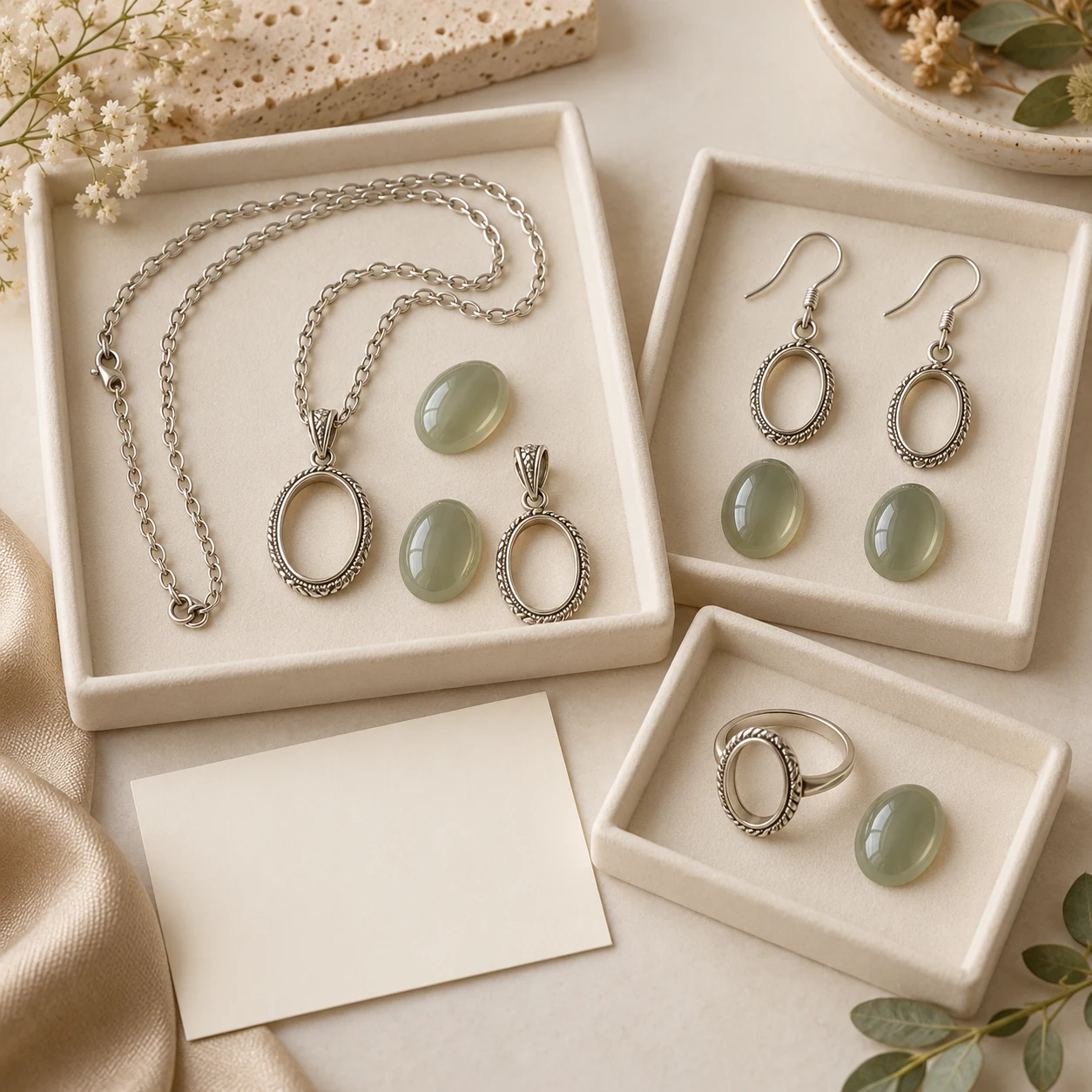
Jewelry Collection Sourcing Starts with the Product Brief
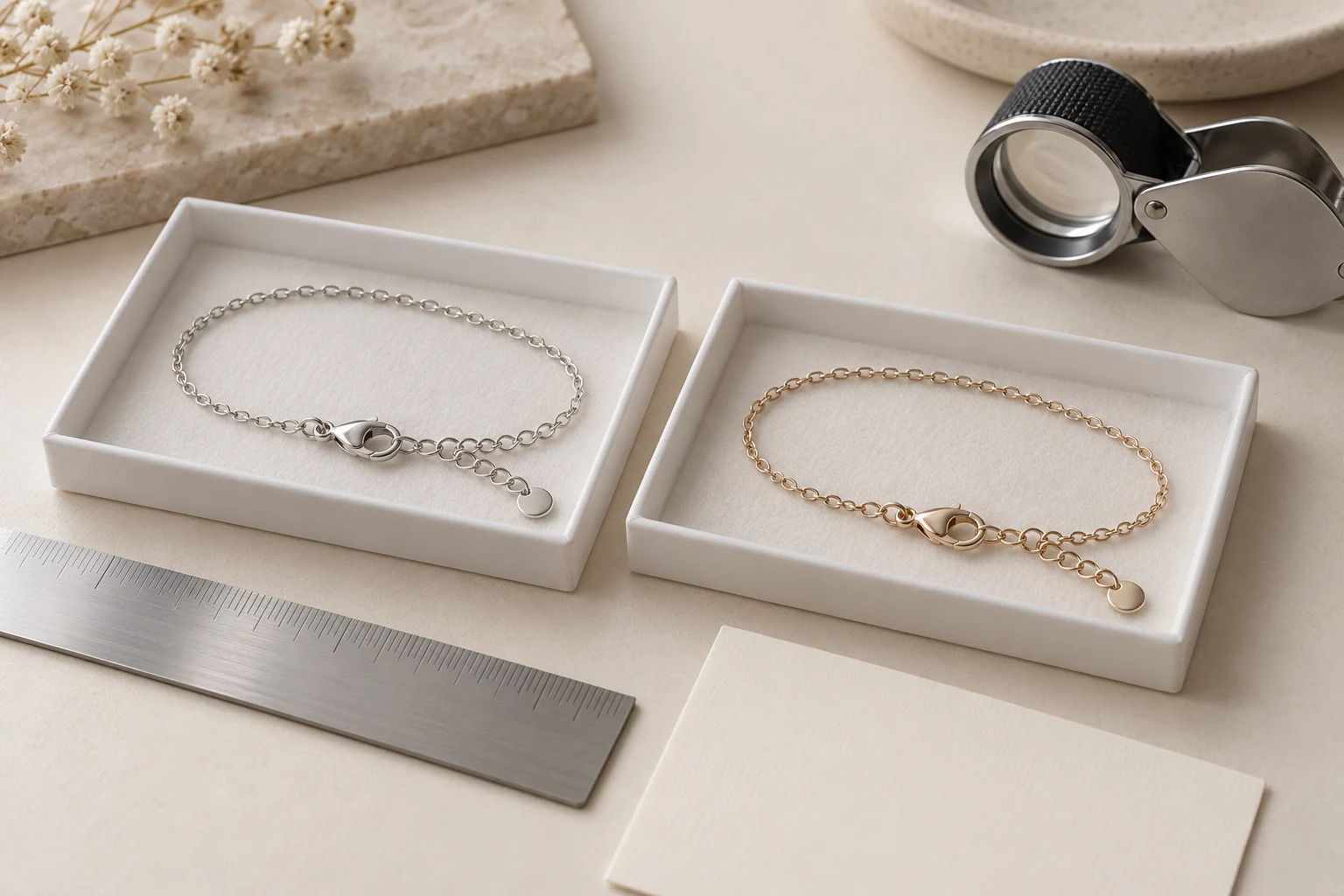
Build your collection around the products, market, references, quantities, materials, finishes, packaging and timing required. Choose component sourcing, coordination, assembly or semi-custom development. Confirm options and scope; discuss open decisions before preparing a full brief.
Choose the Right Component Sourcing Route for Your Collection
Choose a starting route and confirm its scope through project review.
| Project situation | Likely route | Information to prepare | Points to confirm |
|---|---|---|---|
| You know which type of part you need | Individual component procurement | Item, dimensions, material request and quantity | Availability and commercial terms |
| Several products need different parts | Coordinated multi-component sourcing | Component list by product or SKU | Coordination scope and order responsibilities |
| Sourced parts need to become finished jewelry | Assembly support | Component list, design and assembly requirements | Assembly steps, approval and packaging responsibilities |
| An existing part may need a design change | Semi-custom development | Reference part, desired changes and intended use | Feasibility, modification limits and sample arrangements |
Individual Components for a Defined Product Range
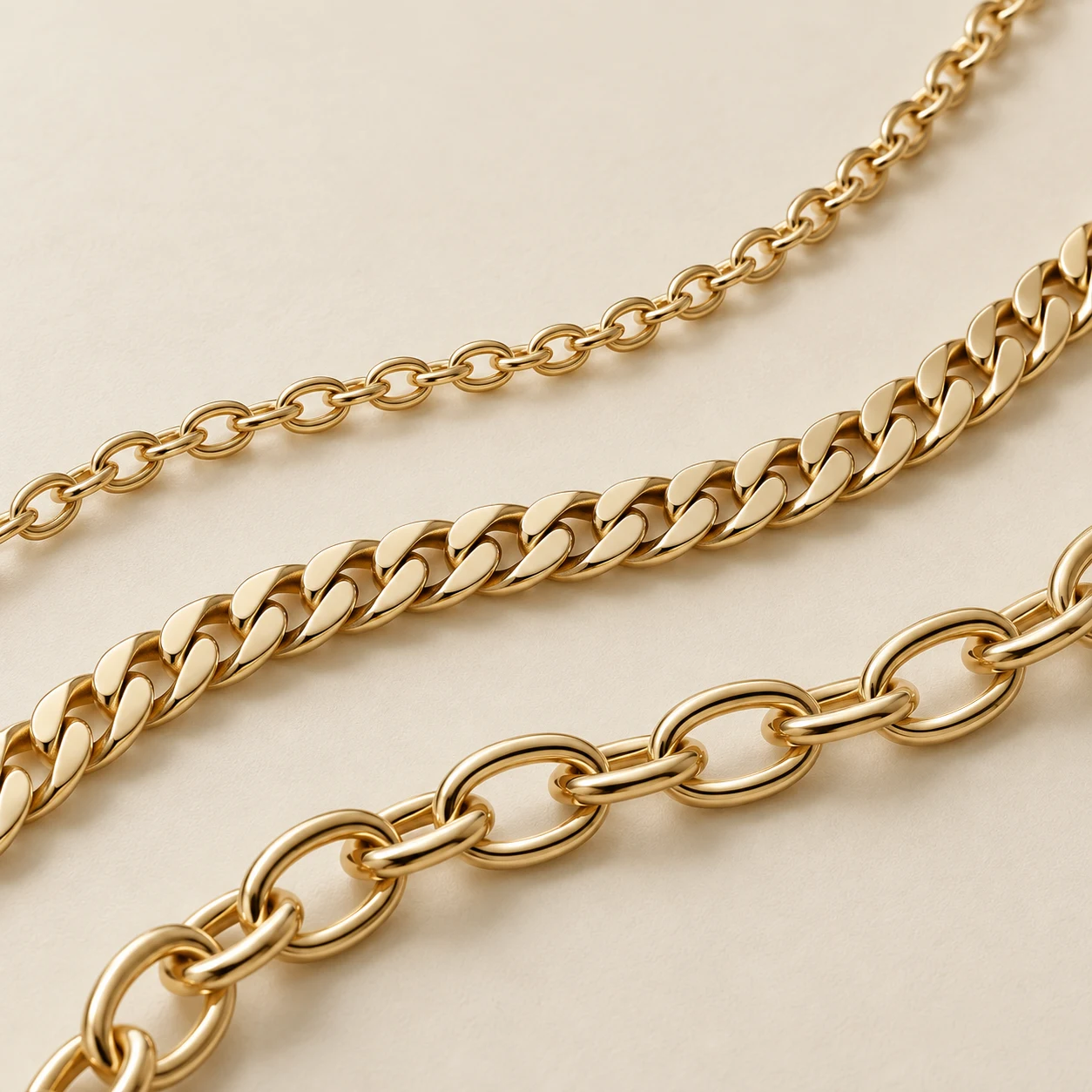
For a defined parts list, request the relevant categories individually, including findings, decorative elements, chains, closures and components by jewelry type. Confirm specific styles, materials and dimensions before purchasing.
Coordinated Components Across Multiple SKUs
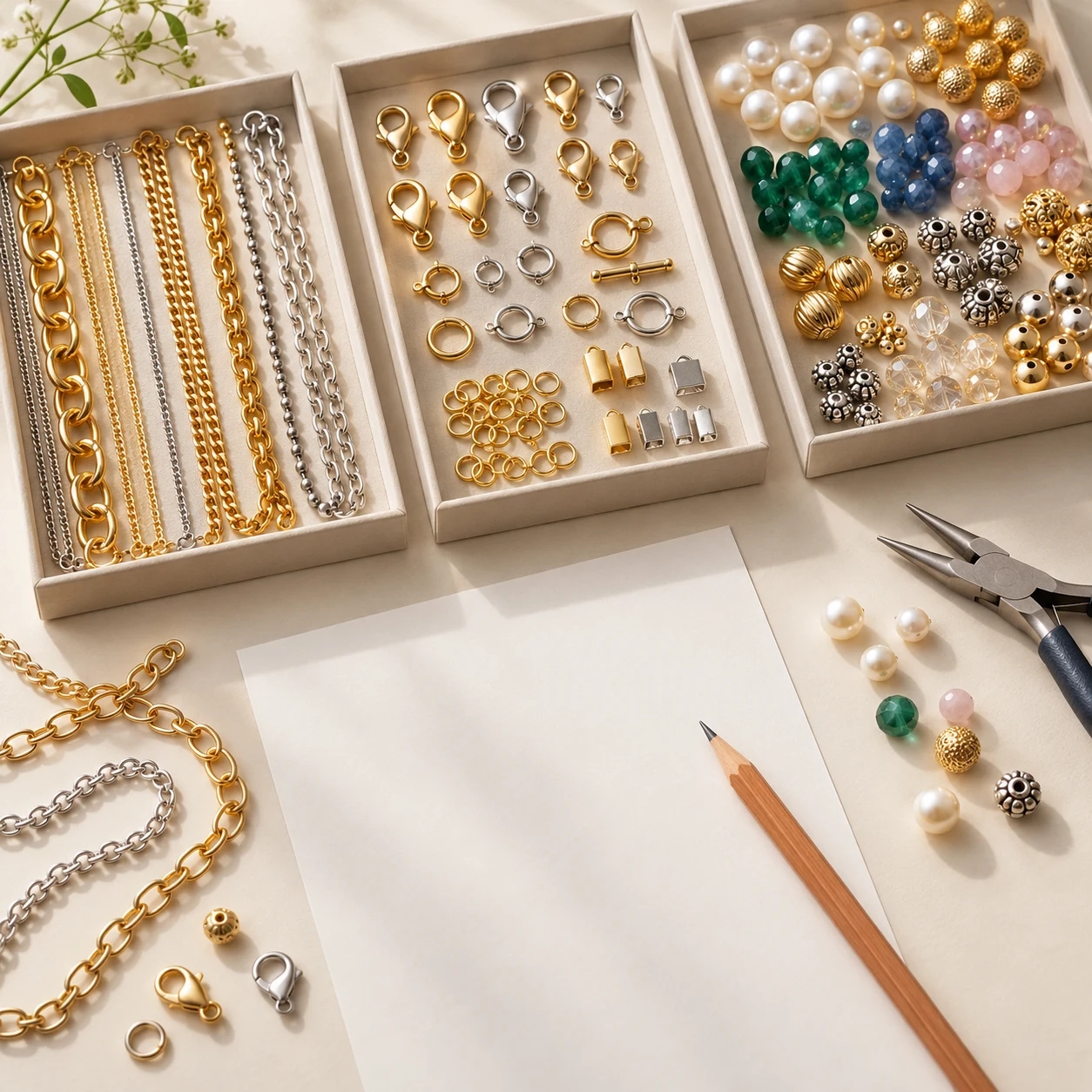
Itemize shared parts and SKU-specific requirements across designs, including dimensions, production requirements and potential samples. COAOCO is a manufacturer and wholesaler of jewelry components. Confirm product specifications, manufacturing or wholesale requirements, and order terms for your project.
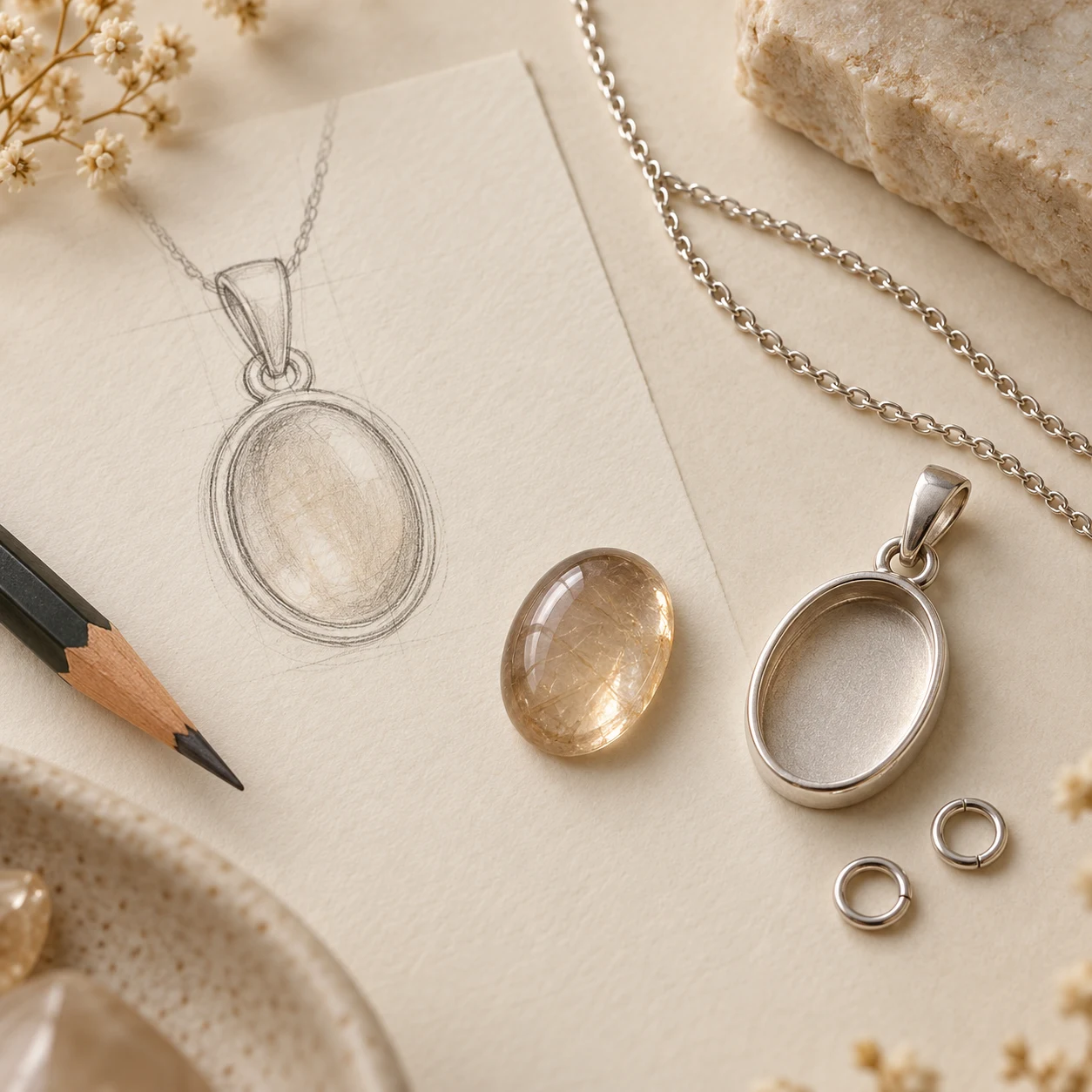
Assembly or Semi-Custom Development
Discuss assembly of sourced parts or changes to existing components according to your starting point. Confirm operations or modifications, sample approval, MOQ, lead time and packaging responsibilities.
Match Components to Collection Requirements
Select parts around each product’s structure and appearance. Check connections, dimensions and stone-to-setting fit, and confirm the proposed options and compatibility for your request.
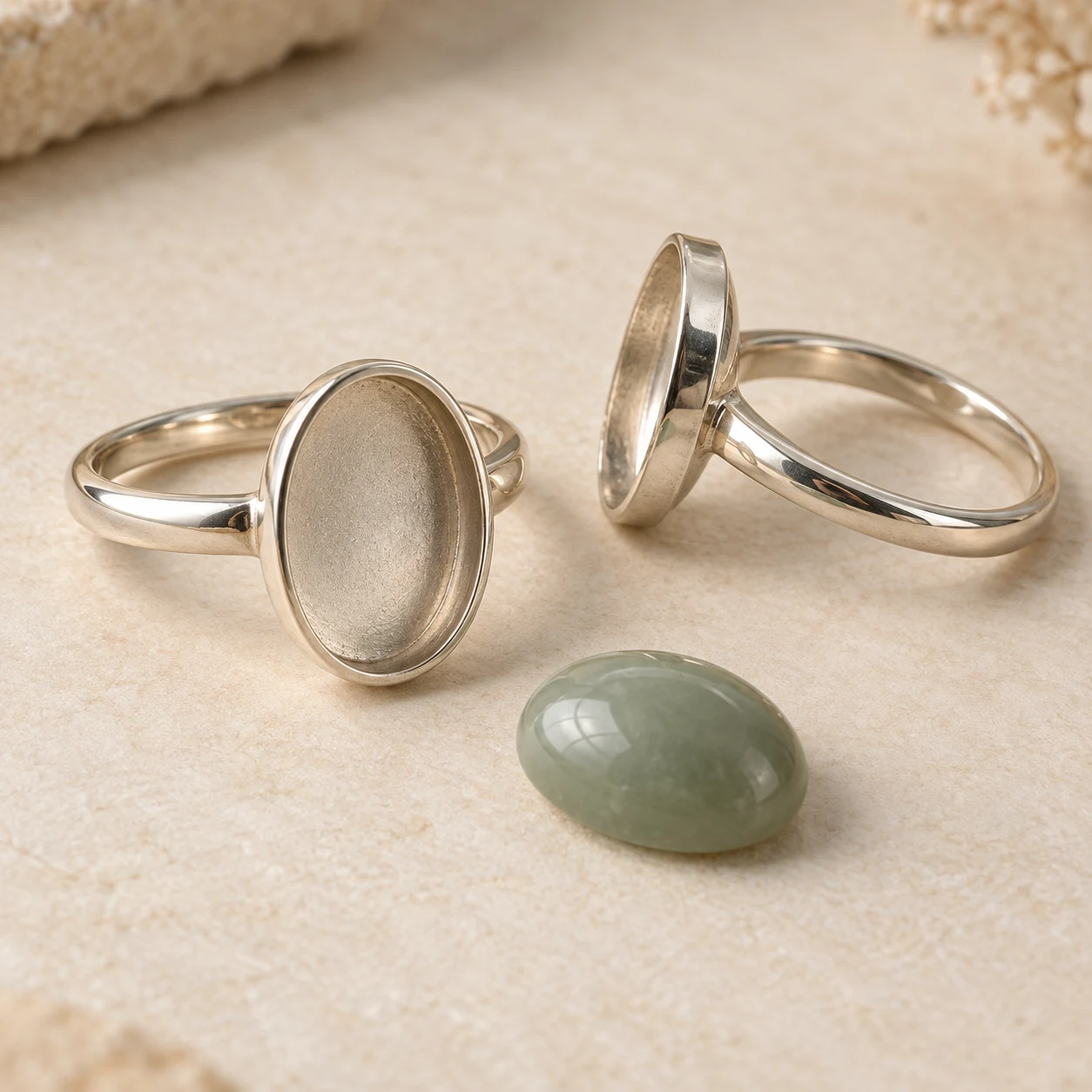
Product Structure and Component Compatibility
Map parts to each finished design. Show connection dimensions and stone-setting shape, measurements and mounting details. Provide a BOM or measured references and agree on review arrangements.
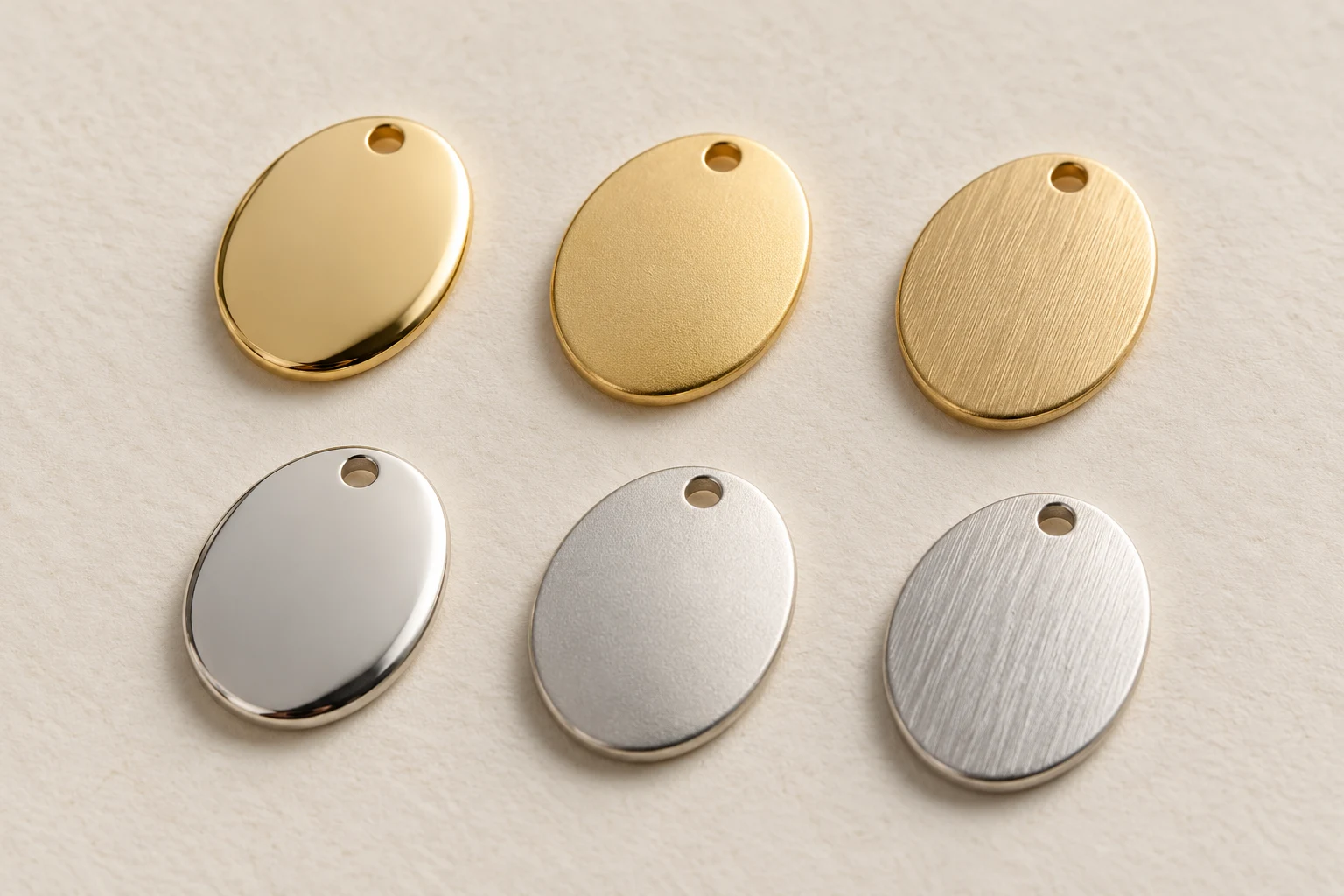
Materials, Colors, and Finishes to Verify
Identify materials and finishes for visible and skin-contact parts, including matching needs. Confirm decorative-material identity and treatments, plus market, labeling, documentation and testing requirements before making claims.
Collection Consistency and Approval Samples
Define matching expectations for color, surfaces, dimensions and connections. If samples are available, agree what they approve and who decides, and confirm cost, shipping and approval arrangements. Sample review does not guarantee future production consistency.
A Practical Workflow from Collection Brief to Quote
A project may move through the following review, with each stage subject to confirmation:
The sequence and services involved may differ according to the project. Confirm the process before relying on any particular review or approval step.
01
Submit a collection brief and identify the products and services you need.
02
Review the component requirements and discuss potential sourcing options.
03
Confirm relevant specifications and, if available, sample arrangements and approval criteria.
04
Define any proposed assembly or customization work and the responsibilities involved.
05
Discuss inspection, packaging and commercial conditions, then proceed to a quote or another agreed project decision.
Information COAOCO Needs to Evaluate the Project
| Information | What to include |
|---|---|
| Product type | Jewelry forms and intended use |
| Component list | Parts needed for each product or SKU |
| Design references | Drawings, reference images or details of an existing sample |
| Dimensions | Finished size, component measurements and attachment points |
| Materials and finishes | Preferred materials, colors, surfaces and any treatment questions |
| Quantities | Required quantities or estimated demand by item |
| Samples | What you need to review and approve |
| Target market | Destination market and relevant compliance requirements |
| Packaging | Packaging expectations and any responsibility questions |
| Quality | Inspection points, acceptance criteria and documentation needs |
| Timing | Required delivery date or project milestones |
Use the project brief to organize files. Confirm accepted formats and arrange physical-sample delivery separately.
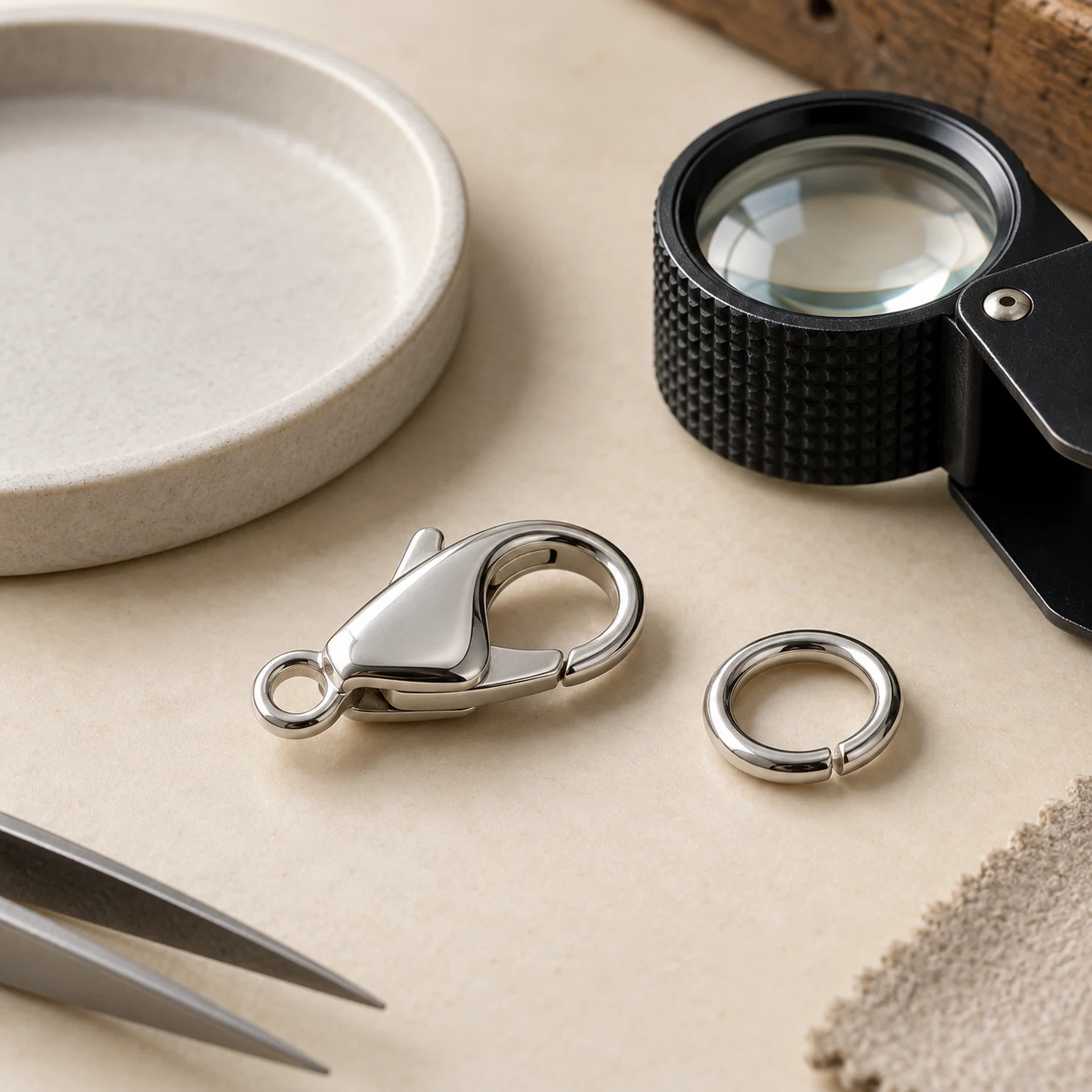
Decisions to Confirm Before Commercial Approval
Confirm commercial terms, samples, delivery, assembly, inspection and packaging responsibilities. Agree on intellectual property handling, acceptance criteria and required evidence; tests and reports are not automatic.
Where COAOCO May Fit in a Brand Development Project
COAOCO is a manufacturer and wholesaler of jewelry components. Choose the route by fixed parts, combined categories or development needs; agree scope and terms.
Prepare a Collection Brief for Evaluation
Include collection and market, parts and quantities by product, measured references, materials and fit, plus sample, inspection, packaging and timing needs. Confirm file formats and physical-sample arrangements.
Discuss Your Jewelry Collection Requirements
Discuss an open collection brief with sales, upload design files, or request a quote for defined products and quantities.