
SERVICES / MANUFACTURING & PROJECT SUPPORT
Multi-Component Jewelry Order Coordination
Bring related categories and SKUs into one review. Organize specifications, quantities, matching requirements and responsibilities for the complete project.

Multi-Component Jewelry Order Coordination for Multi-SKU Projects
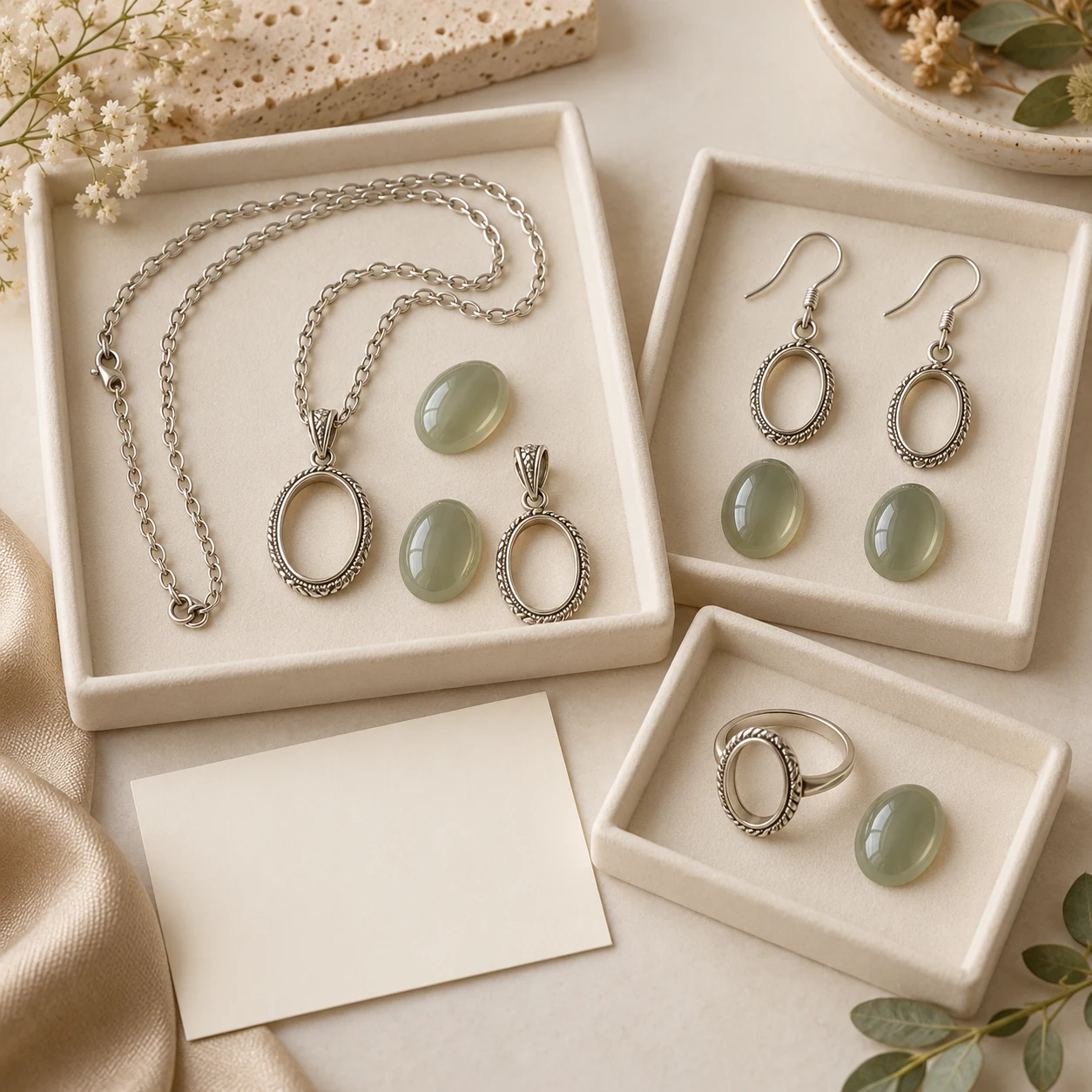
Bring several component categories or SKUs into one review of specifications, quantities and production requirements. COAOCO is a manufacturer and wholesaler of jewelry components. Discuss assembly or custom work and confirm production, packing and delivery arrangements for the project.
When a Multi-Component Order Needs Coordination
Bring chains, clasps, beads and decorative parts into a shared list when separate requirements make finish, fit, samples or quantities difficult to compare. Review each part and the complete combination, including inspection, packaging and assembly responsibilities.
Single-Category Purchasing vs. Coordinated Component Procurement
A single-category request covers one part group; coordinated sourcing reviews related categories or SKUs together. Coordination does not automatically include consolidated packing or shipment.
| Buyer situation | Information to prepare | Review focus | Next step |
|---|---|---|---|
| One component category | Product type, specifications, and quantity | Suitable options for that category | Browse jewelry components |
| Several component groups or SKUs | Item list, quantities, references, and shared requirements | Cross-category specifications and responsibility boundaries | Request a multi-SKU review |
| Components for finished jewelry | Component list, finished-piece reference, and assembly instructions | Assembly scope and approval points | Discuss jewelry assembly |
| A new or modified part | Design, dimensions, material request, and quantity | Custom development feasibility | Discuss custom component development |
What COAOCO Can Review in a Coordinated Request

Review manufacturing or wholesale supply, order details and any assembly or custom needs. Confirm the agreed operations and order responsibilities.

Product Categories and SKU Lists
Include findings, beads, charms, pendants, chains, clasps, parts by jewelry type, stones, crystals, pearls and settings as needed. Give each item a name or SKU and group related parts by design. Confirm availability for every item.

Specifications, Quantities, and Reference Materials
Provide names, dimensions, materials, finishes and quantities with drawings, images or sample references. Identify connection points and fit dimensions. Include market, packaging and assembly needs, marking unresolved requirements as questions.
A Practical Review Path for Multi-SKU Orders
A project review may follow these steps, depending on the request and the services available:
Sample arrangements and individual review steps depend on the project. They should be confirmed before an order is placed.
01
Share your component list and relevant project files.
02
Clarify specifications, quantities, and any links between parts.
03
Review product options and manufacturing or wholesale arrangements for the requested items.
04
Review samples or references where applicable and available.
05
Confirm commercial terms and responsibility boundaries, including inspection, packaging, assembly, and delivery.
06
Discuss the next quotation or project step based on the information available.
Production and Component Coordination
Group shared finishes, connections and quantities by finished design. Compare requested specifications with the proposed product information and record differences or open questions. Resolve or agree them before ordering.

Sample, Inspection, and Approval Points
Agree on visual references, dimensions and fit, material and finish evidence, packaging and labels, acceptance criteria, inspection responsibility and reports. Confirm whether requested checks or independent inspection can be arranged.
Assembly and Finished-Piece Requirements
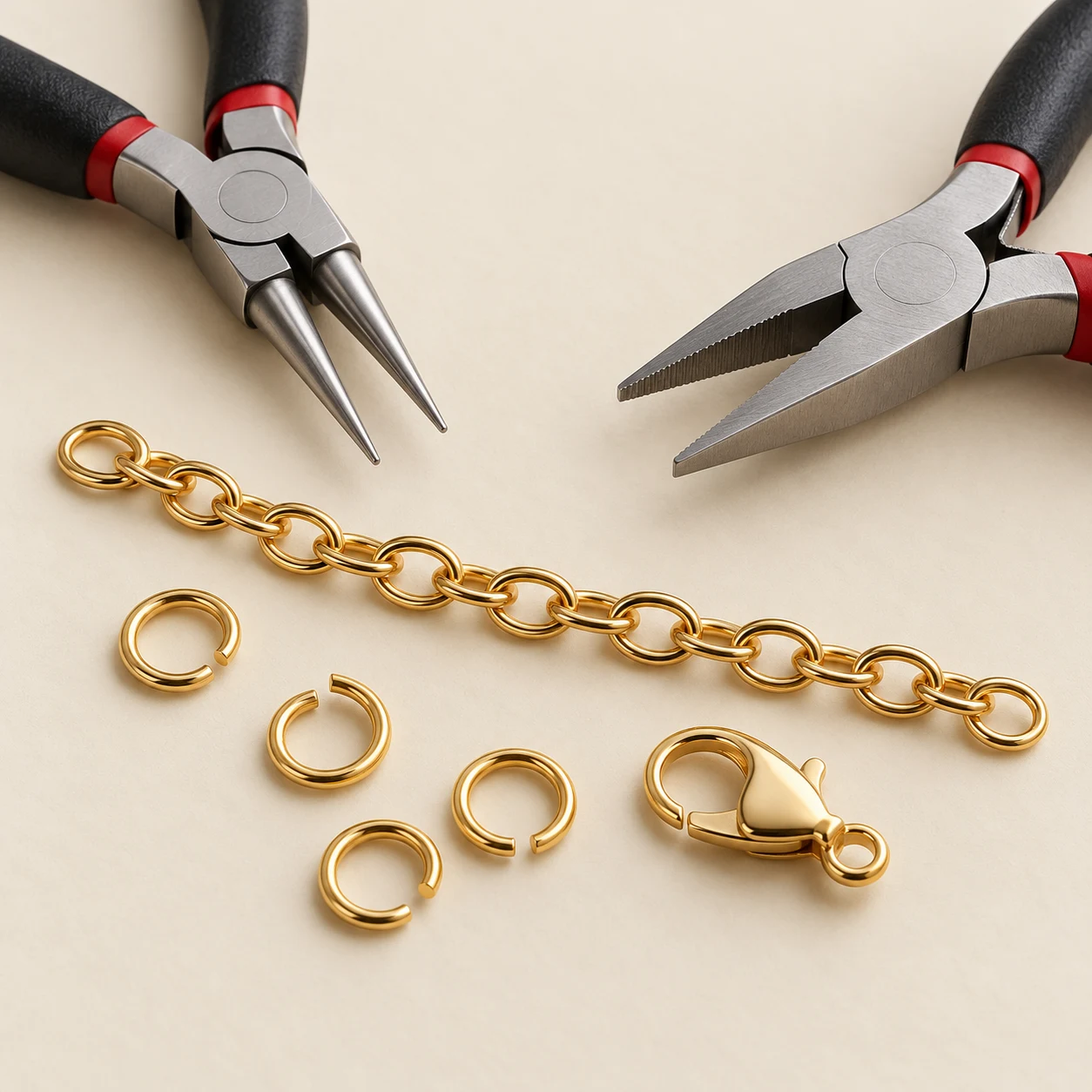
Provide the finished design, component list by piece, quantities and instructions, identifying fit and appearance approval points. Confirm assembly separately from sourcing, including operations, inspection, packaging, MOQ and lead time.
What to Confirm Before Requesting a Quote
Separate SKU-specific details from shared requirements.
| Information | What to include |
|---|---|
| Component or SKU | Product name, category, and the design or finished piece it belongs to |
| Reference | Drawing, image, bill of materials, or description of a physical sample |
| Specifications | Dimensions, requested material and finish, and any connection or fit requirements |
| Quantity | Quantity for each SKU and, if relevant, the number of finished pieces |
| Market and documentation | Target market and any material, compliance, or documentation requirements |
| Packaging | Preferred packaging, labeling, and packing quantities |
| Assembly | Whether parts are for your own assembly or require finished-piece assembly, with instructions if available |
| Inspection | Checks, approval references, acceptance criteria, and requested reporting |
| Timing and delivery | Target timing, destination, and the delivery responsibilities you want to discuss |
Confirm MOQ, timing, capacity, required certifications or documents and terms for this order; earlier orders do not establish them.
Commercial and Responsibility Boundaries
Confirm product availability, manufacturing requirements, inspection, packing, delivery and any assembly operations. Agree unresolved requirements, consolidation arrangements and the delivery schedule before ordering.
Choose the Right Next Step for Your Order
Identify parts through the catalog, compare sourcing and assembly routes, or define new and modified components in a project brief. Confirm the supported scope for each route.
For Defined Multi-SKU Requirements
Submit parts, quantities and specifications with commercial and responsibility questions for the quote review.
For Drawings, BOMs, Samples, or Reference Files
Use the specification route for drawings, a BOM or images. Describe physical samples and confirm sharing arrangements, file formats and submission requirements.
For Unclear Scope or Service Fit
Discuss the intended product, known parts and undecided requirements with sales to choose sourcing, assembly or development.
Frequently Asked Questions
When is coordinated sourcing useful?
Use it when several categories or SKUs share fit, finish, sample, packaging or assembly needs. One defined part may suit a single-category request.
Which components and information can I include?
Include functional and decorative parts, stones and settings. Give quantities, specifications, references, market and timing; confirm each item’s availability and production or supply arrangements.
Can the project include assembly and custom parts?
Share operations, modifications or new designs with quantities. Confirm development and assembly scope, inspection, packaging and timing.
Does coordination include one combined shipment?
Consolidated packing or shipment requires explicit agreement. Confirm the product list, order structure and responsibility for each stage.
How should samples and quality checks be handled?
Define sample needs, acceptance criteria, inspection and packaging requirements, responsible parties and evidence. Confirm file formats and physical-sample arrangements.
What is needed for a multi-SKU quote?
Send a BOM with quantities and specifications, references and commercial needs. Confirm MOQ and lead time per component and any assembly or custom work.
Submit a Multi-SKU Request
Send your SKU list, quantities, specifications and references, with market, assembly, packaging and inspection needs. Confirm terms and responsibilities after review.