
CAPABILITIES / MANUFACTURING & WHOLESALE
Jewelry Assembly Workflow
Define the product, parts and intended result before assembly. Agree the required operations, references, approvals, inspection and handover for your project.
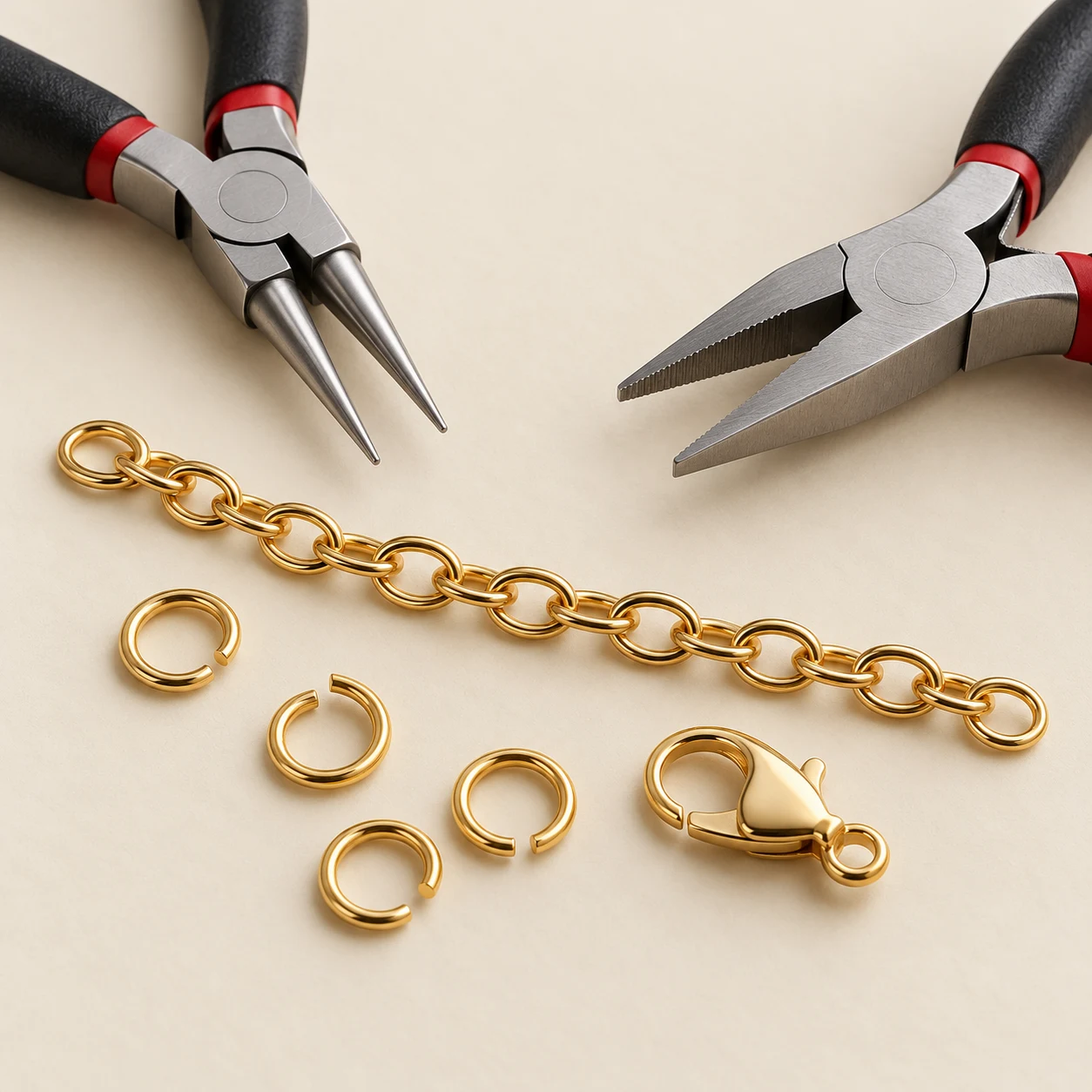
What This Jewelry Assembly Workflow Covers
Start with the product, component list and intended result, then define instructions, quantity, inspection and packaging. COAOCO supports sourcing and assembly projects; agree the review sequence, operations, component sources, samples, inspection methods and commercial terms for your request.
Start With the Product and Component Scope
Define product, market, quantity, parts per piece and design references. Identify buyer-supplied parts and sourcing needs.
| Project input | Buyer should provide | Confirm during review |
|---|---|---|
| Product outcome | Finished piece, semi-finished piece or component set | Intended output and included work |
| Component source | List of buyer-supplied and sourcing-required parts | Whether each source is suitable for the project |
| Design reference | Drawing, image or details of a physical sample | Which reference will guide evaluation |
| Dimensions | Required sizes and fit details | Specifications and acceptable variation |
| Assembly instructions | Connection methods and visual requirements | Whether the requested operations are possible |
| Quantity | Quantity by design or component | Minimum order quantity and quotation scope |
| Inspection criteria | Required checks and acceptance limits | Available inspection arrangements and evidence |
| Packaging | Unit packing, labeling and carton needs | Packaging scope and responsibility |
| Timing | Required date and target market | Feasible timing and delivery terms |
| Commercial conditions | Questions about charges and responsibilities | Applicable prices, terms and conditions |
Define the Assembly Result
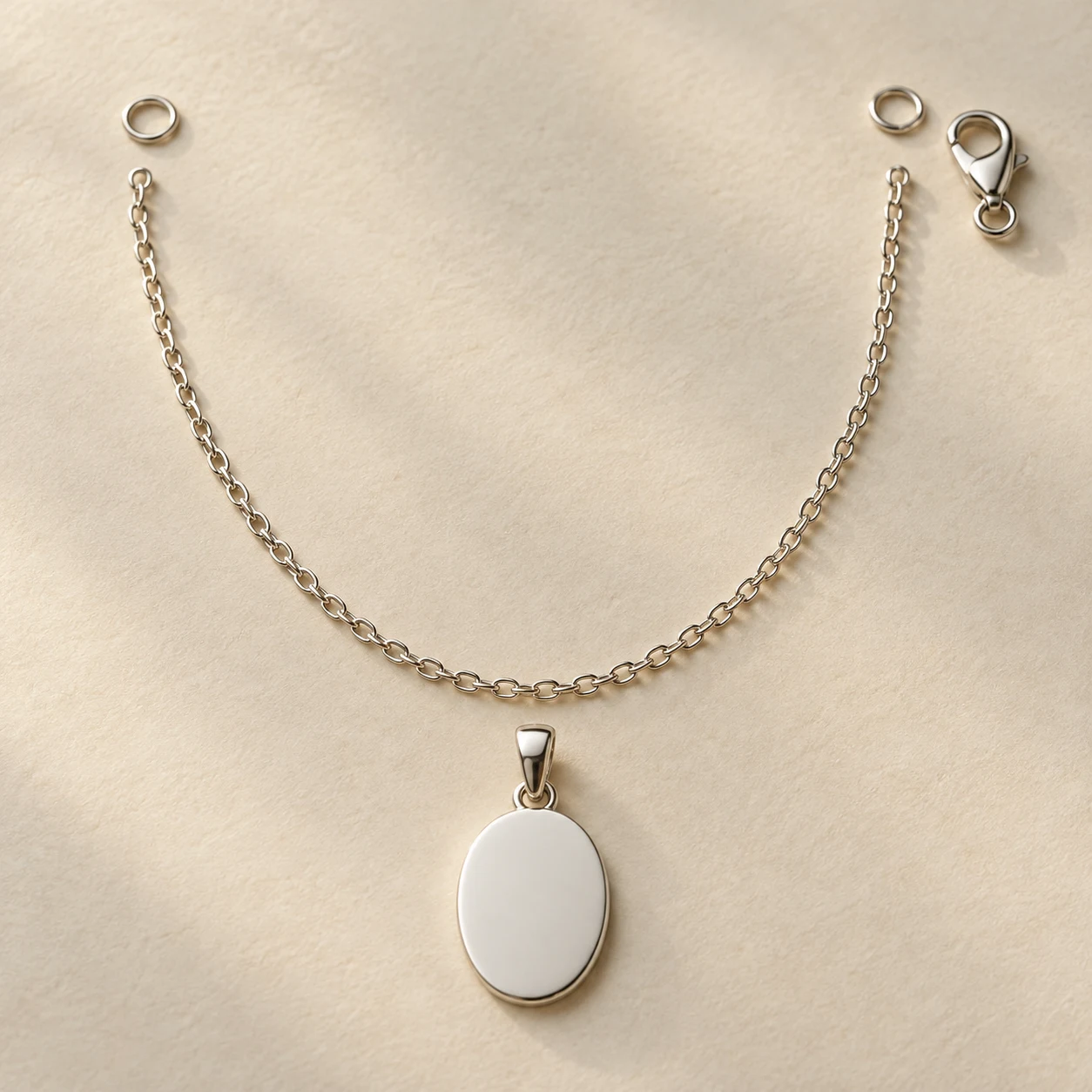
Specify finished jewelry, semi-finished pieces or separate sets. For semi-finished work, state what remains. Confirm which sourcing, assembly, stone-setting and packaging tasks are included.

Confirm Which Components Are Included
List each part and quantity per piece, including chains, clasps, decorative parts, findings, stones or settings. Distinguish the component list from assembly work and production and order coordination so each scope can be reviewed.
Review Drawings, Samples, and Assembly Instructions

Provide a drawing or BOM with images, dimensions, connections and instructions. Confirm upload formats and limits. Describe physical samples and agree on review arrangements before sending them.
Identify Fit and Connection Requirements
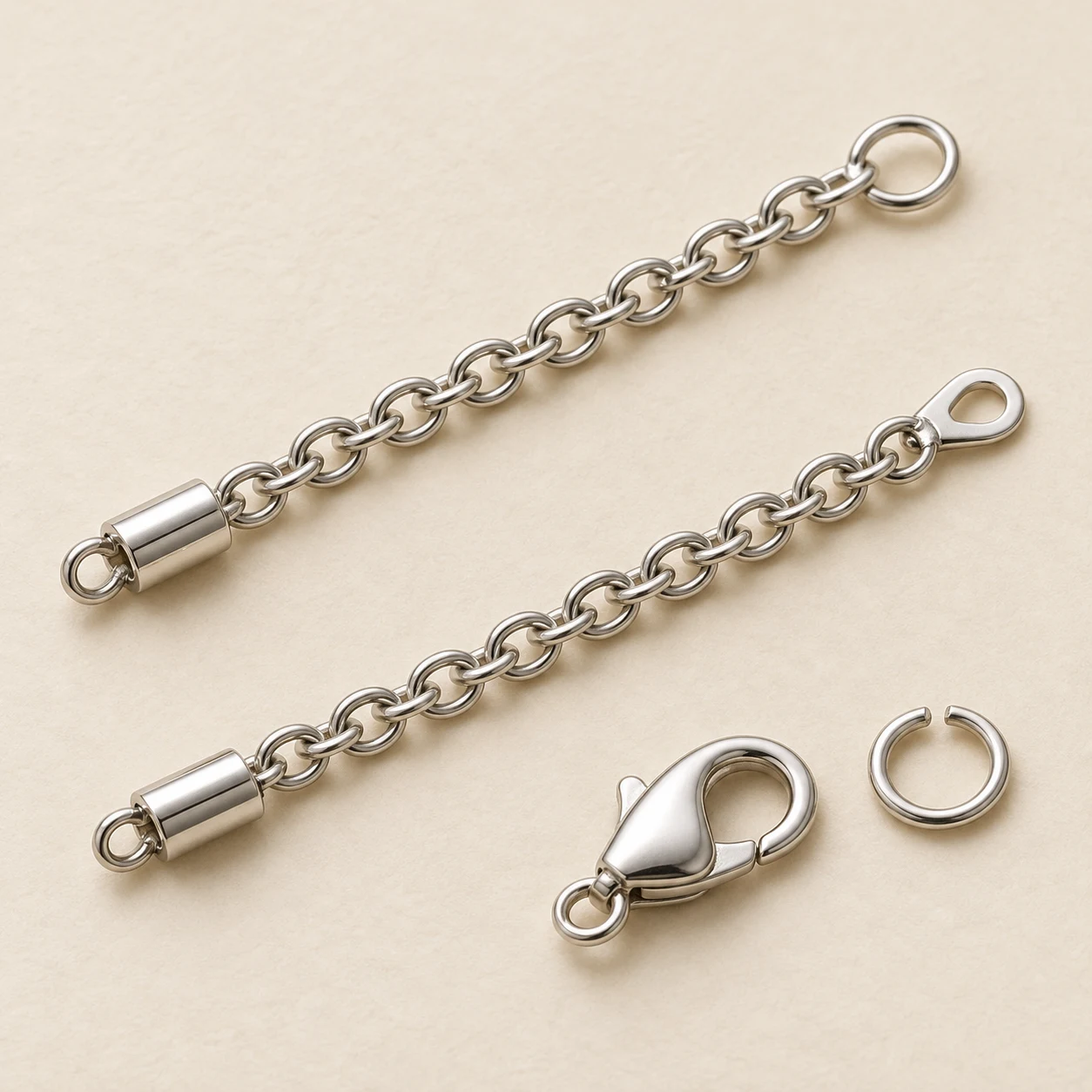
Show attachment points, orientation, symmetry, closure position and stone-to-setting fit. Identify visual approval details such as charm direction or clasp placement. Confirm each required operation during review.
Separate Confirmed Requirements From Open Decisions
Mark fixed requirements, preferences, acceptable alternatives and open questions. Distinguish essential dimensions from visual preferences and identify substitutions requiring approval.
Component Sourcing Before Assembly
If all components are already defined and available, the request may focus on assembly. If parts still need to be found, the project may also require jewelry component sourcing or production and order coordination. Confirm both scopes separately.

Buyer-Supplied Components
Provide quantities, inspection status and packing details for parts you supply. Confirm suitability and handling of shortages, damage and substitutions, with responsibility for each.
COAOCO-Supplied Components
Confirm material, finish, specifications, MOQ and timing for each component. COAOCO provides manufacturing and wholesale supply; agree any assembly requirements and acceptance criteria for your order.
Review, Samples, and Approval Points
Define scope, parts and design, then agree any sample or reference and document instructions and acceptance criteria. Confirm the sequence, sample availability and cost, approver and change process, including revisions.
Approve the Reference Standard
Agree the approved sample, image, drawing or component set used for comparison. Record its version and the details it confirms before further work.
Record Changes Before Further Work
Document changes to materials, colors, dimensions, parts, packing or instructions. Identify approvers and effects on scope, price and timing before continuing.
Inspection and Acceptance Requirements
Define checks for part presence, damage, dimensions, connections, finish, symmetry, packaging counts and assembly completeness. Agree how each requirement is assessed and who accepts the result.

Define Inspection Evidence
Request photographs, checklists, approval records, inspection records or third-party inspection as needed. Confirm availability, scope and cost; a particular report, sampling plan or certification is not automatically included.
Define Nonconformance Handling
Agree how defects, shortages, substitutions, rework, reference changes and rejected units are recorded and resolved, who decides and what must happen before work continues.
Packaging, Handover, and Delivery Questions
Describe your packaging and delivery needs early. Confirm the packaging format, labels, unit packing, carton requirements, documents, delivery responsibility and timing for the specific project. Packaging and delivery services should not be assumed to be included.
Confirm the Handover Format
Specify finished pieces, semi-finished assemblies, separate sets, labeled units or another format, including separation by design or component type.
Confirm Commercial Conditions Before Approval
Confirm MOQ, quotation scope, sample and assembly charges, delivery terms and lead time. For buyer-supplied materials, agree receipt, use and handling conditions.
When to Use Assembly, Sourcing, or Custom Development
Choose the route by what is defined and what needs development. Treat new or modified components as a separate scope.
| Project path | Starting information | Main decision | Next step |
|---|---|---|---|
| Assembly from defined components | Component list, intended result and instructions | Whether the requested assembly fits the project scope | Submit assembly details for review |
| Sourcing plus assembly | Component requirements, quantities and intended result | Which parts need sourcing and how assembly responsibilities are divided | Discuss sourcing and assembly together |
| Custom components before assembly | Design references and requirements for new or modified parts | Whether component development is needed before assembly | Submit the design requirements for evaluation |
Assembly From Defined Components
Use a defined parts list, intended result and instructions. Confirm suitable operations and component sources before proceeding.
Sourcing and Assembly Together
Identify parts to source and any you will supply, then agree sourcing, production and order coordination and assembly scope separately.
Custom Components Before Assembly
Review new or modified parts when existing ones do not fit the design. Assess tooling, samples, intellectual property, MOQ and timing separately from assembly.
What to Send for an Assembly Evaluation

Provide intended output, references, a BOM with quantities per piece and component sources, specifications and order quantities, market, assembly instructions, sample approval and inspection criteria, packaging, labels, handover and timing.
Confirm an Assembly Project
Submit your design, BOM, quantities, buyer-supplied parts, acceptance and packaging needs for quotation. A request begins review; it does not confirm capacity, price, MOQ, acceptance or delivery terms.