
CAPABILITIES / MANUFACTURING & WHOLESALE
Jewelry Component Material and Finish Options
Define material and finish around component function, appearance and use. Separate base material from surface treatment and identify the evidence your project needs.

Start With the Requirements That Affect Material Choice
Define use and appearance, then identify budget, material, skin-contact and documentation requirements. Confirm suitable options for the component.
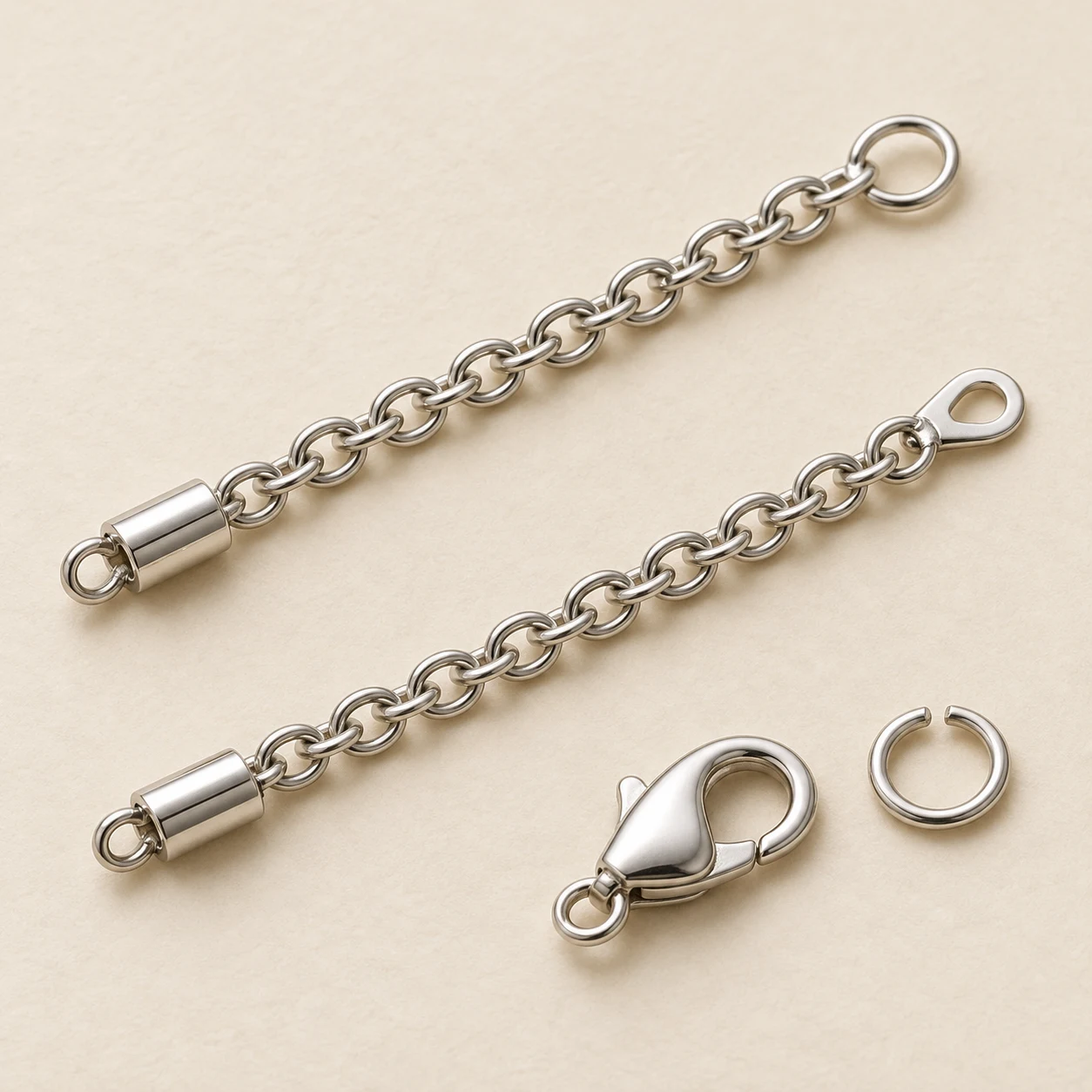
Component Function and Interface
Identify structural, decorative, connection, closure or setting functions and how parts join. Provide measurements or drawings for both sides of an interface, including stone and setting dimensions. Confirm suitability for the proposed use.
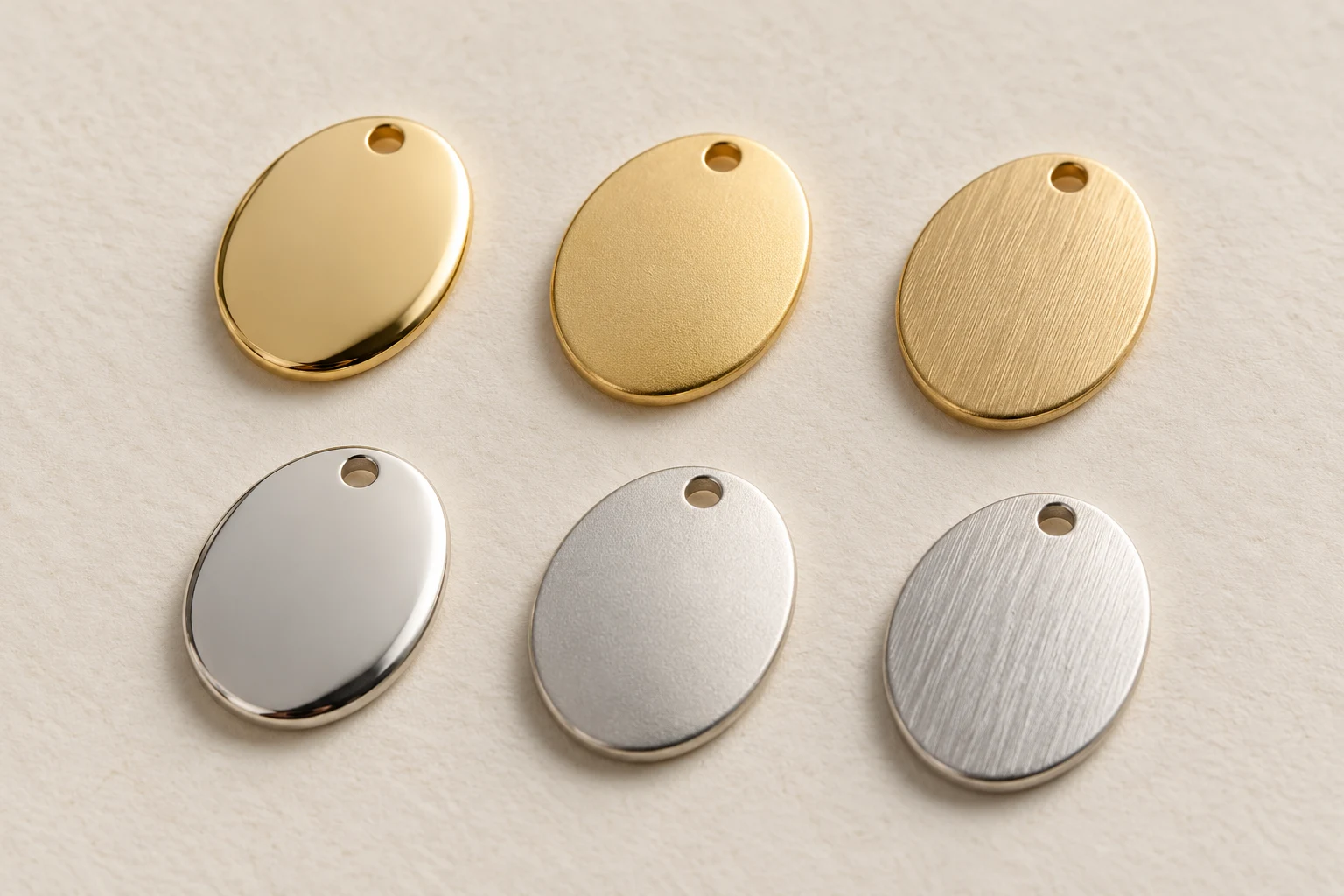
Appearance, Color, and Brand Consistency
Specify color, gloss, texture and surface appearance. Identify parts seen together and provide a color standard, image or physical reference. State whether exact matching or a coordinated look is needed, agree variation and confirm available finishes.
Material Categories to Confirm With COAOCO
Identify each component and request suitable materials. Category availability does not confirm every material or finish combination.

Metal and Non-Metal Requirements
Specify metal or non-metal preferences, restrictions, intended use, color, weight or feel and budget if known. If undecided, describe the use and appearance. Confirm specific material identities and combinations for the component.
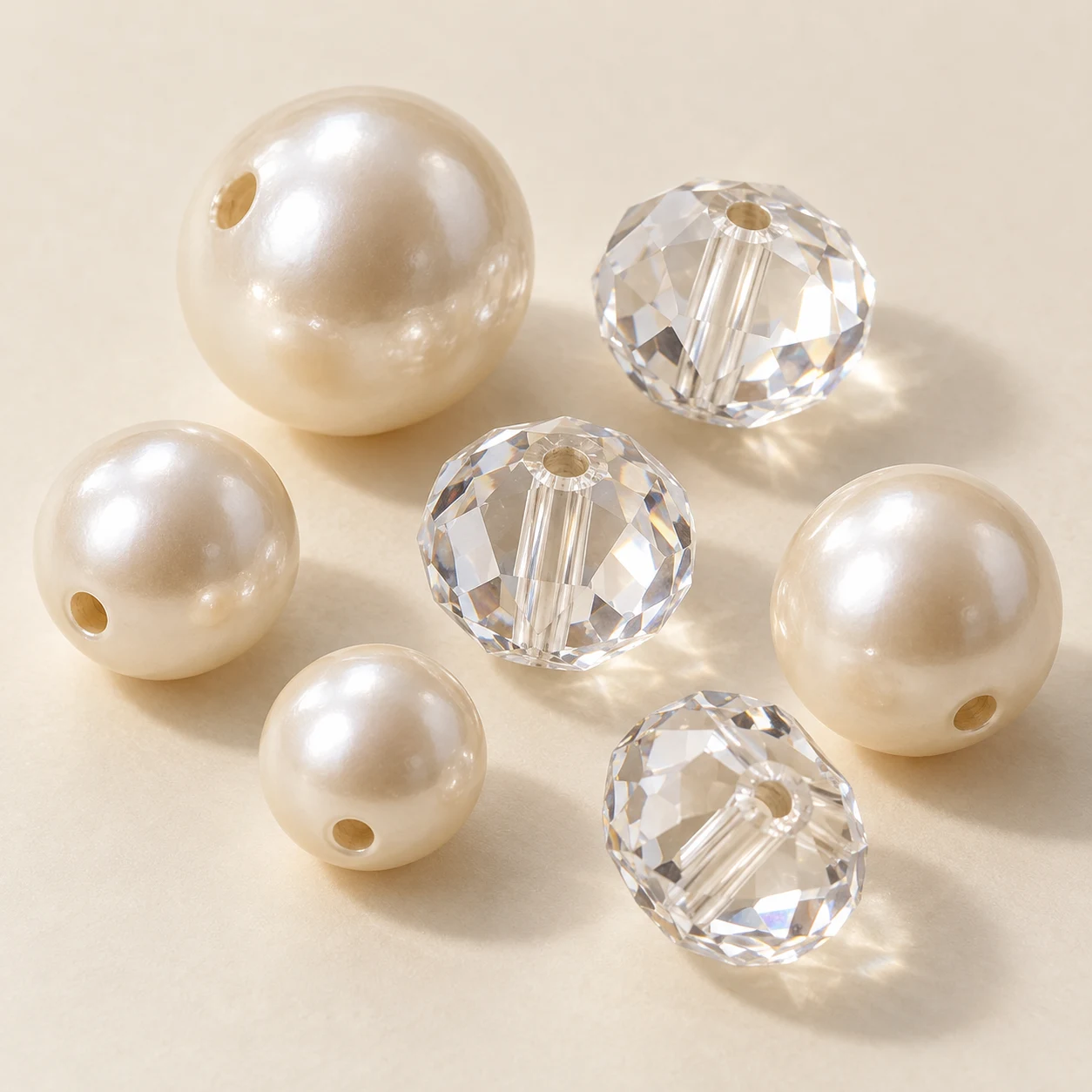
Natural, Synthetic, and Mixed Components
For beads, stones, crystals, pearls and mixed parts, confirm material identity, natural or synthetic status where relevant, treatments and acceptable appearance variation. Request item-specific documentation and confirm material and development options.
Plating, Surface, and Finish Questions
Specify base material and surface treatment separately, with appearance, color reference, coverage and use conditions. Include attachment points and surfaces visible after assembly. Confirm available methods; a color name does not establish plating method, thickness or performance.
Finish Definition and Visual Approval
Use images, an agreed color standard or a physical sample to define appearance. Identify surfaces, viewing conditions and the approver, and agree variation. Confirm whether reference review, matching or samples can be arranged.

Skin Contact and Compliance Information
Identify skin-contact parts and destination market. Specify relevant restricted-substance, allergy-related, testing or documentation requirements and the items they apply to. Request documents for the proposed component and verify scope and applicability; confirm availability.
How to Compare Material and Finish Options
Compare fit, use, evidence and cost alongside appearance. Resolve essential missing information before approval.
| Requirement | Why it matters | What to provide or ask |
|---|---|---|
| Component function and fit | Parts must work with the rest of the design. | Share the use, attachment method, and interface dimensions. |
| Base material and identity | The requested material must be clearly identified. | State preferences and restrictions; ask for the proposed material identity. |
| Color and finish | Visible parts may need a coordinated appearance. | Supply a reference and define acceptable variation. |
| Plating or coating | The surface treatment may differ from the base material. | Ask about treatment details and coverage for the proposed part. |
| Skin contact and target market | Evidence needs depend on the product and destination. | Identify contact surfaces and request any required declarations or reports. |
| Sample and inspection | Approval depends on agreed references and checks. | Ask about sample feasibility, acceptance criteria, and inspection responsibility. |
| Cost and packaging | Both affect the overall project decision. | Share your quantity, budget target, and packaging requirements. |
Selection Factors for a Component Brief
Record component, material, color, finish, dimensions, quantity, use and assembly needs. Include packing, destination and required evidence, marking undecided details as questions.
What Must Be Verified Before Approval
Confirm combinations, tolerances, consistency and limitations, with required tests or declarations. Agree on acceptance, inspection responsibility and any sample’s availability, terms and approval scope.
Prepare a Verified Material Request

A general question might ask which materials could be considered for a particular component. A quote-ready project also identifies quantities, dimensions, target market, and commercial requirements. For a design-led request, prepare a custom jewelry brief to organize the details.
Information to Include
Provide component references or a BOM, use, preferred and restricted materials, finish references and matching priorities, dimensions, quantities, assembly and wear conditions, market, skin contact, packaging and required evidence. Arrange physical samples before sending.
Choosing the Next Step
Request options or a quote when the component, material or finish and quantity are known. Use the specification route for drawings, BOMs or detailed references. Custom requests may include material, matching and sample requirements; confirm available scope.
Request Material and Finish Options
Share your component and project requirements with COAOCO for a material and finish discussion. Any proposed options and service scope are subject to project-specific confirmation.