
RESOURCES / SOURCING & PROJECT SUPPORT
Custom Jewelry Project Brief
Bring your design, component list and purchasing requirements into one brief. Mark confirmed decisions and open questions to prepare a focused project review.
In this guide
What to Include in a Custom Jewelry Project Brief
Describe the item, use, quantity, market, timing, fixed requirements and next step. Add available references or dimensions; distinguish your inputs from terms requiring confirmation.
| Brief section | Information to provide | Why it matters | Confirm with COAOCO |
|---|---|---|---|
| Product and design | Item description, use, drawings or references | Defines the scope | Project fit and file requirements |
| Materials and dimensions | Material, finish, sizes and attachment details | Supports matching and fit review | Availability and feasibility |
| Order plan | Estimated quantities, SKUs and timing | Frames the commercial request | MOQ, pricing, stock and lead time |
| Packaging and market | Destination, labels and documentation needs | Identifies delivery and market requirements | Packaging scope and available documentation |
| Quality | Visual, fit and acceptance criteria | Makes approval expectations clear | Inspection and approval arrangements |

Product or Component Description
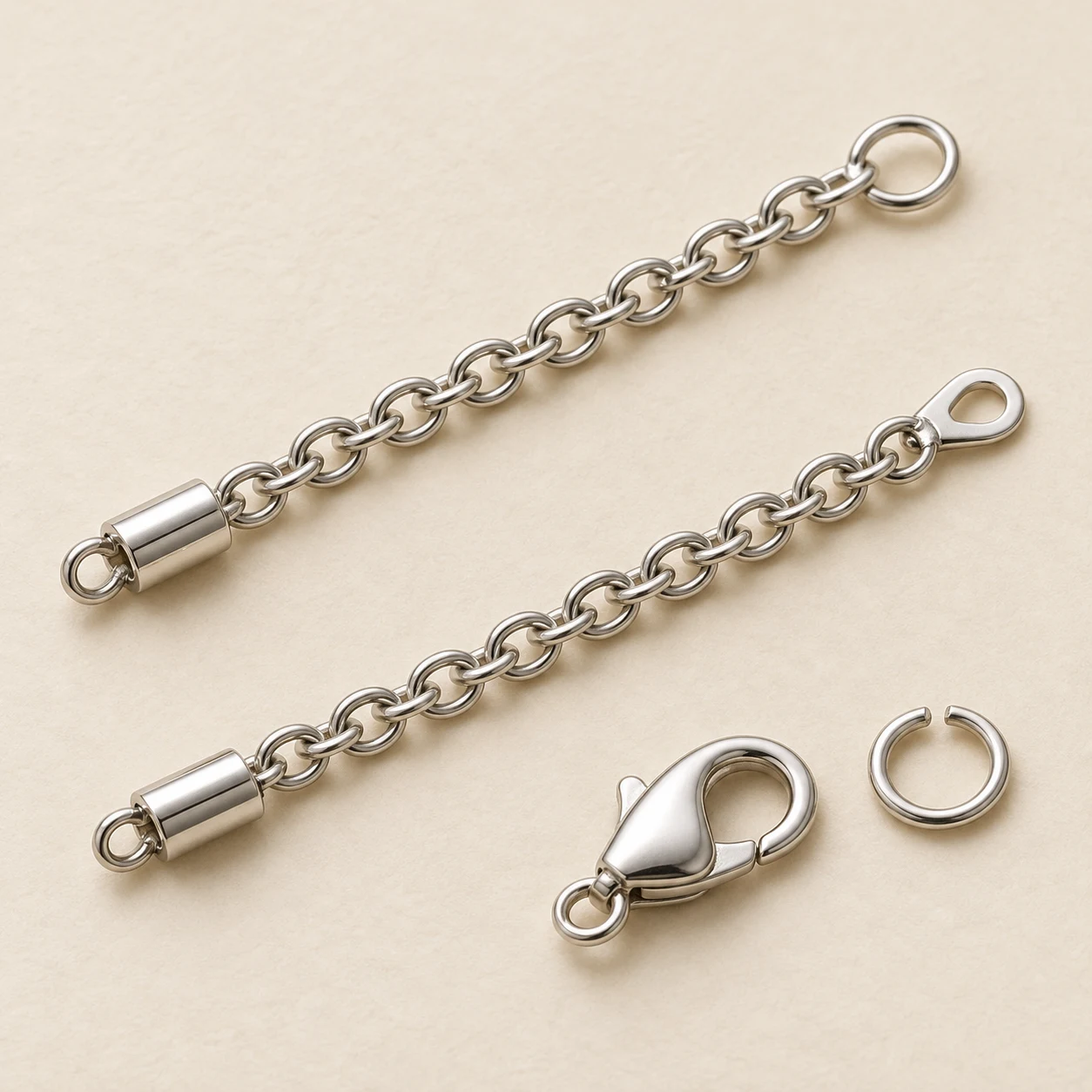
Describe the item and its use. State whether you need loose parts, several coordinated categories, assembly, an existing component modified or a new design developed. If unsure, describe the intended result.
Drawings, Reference Images, or Samples
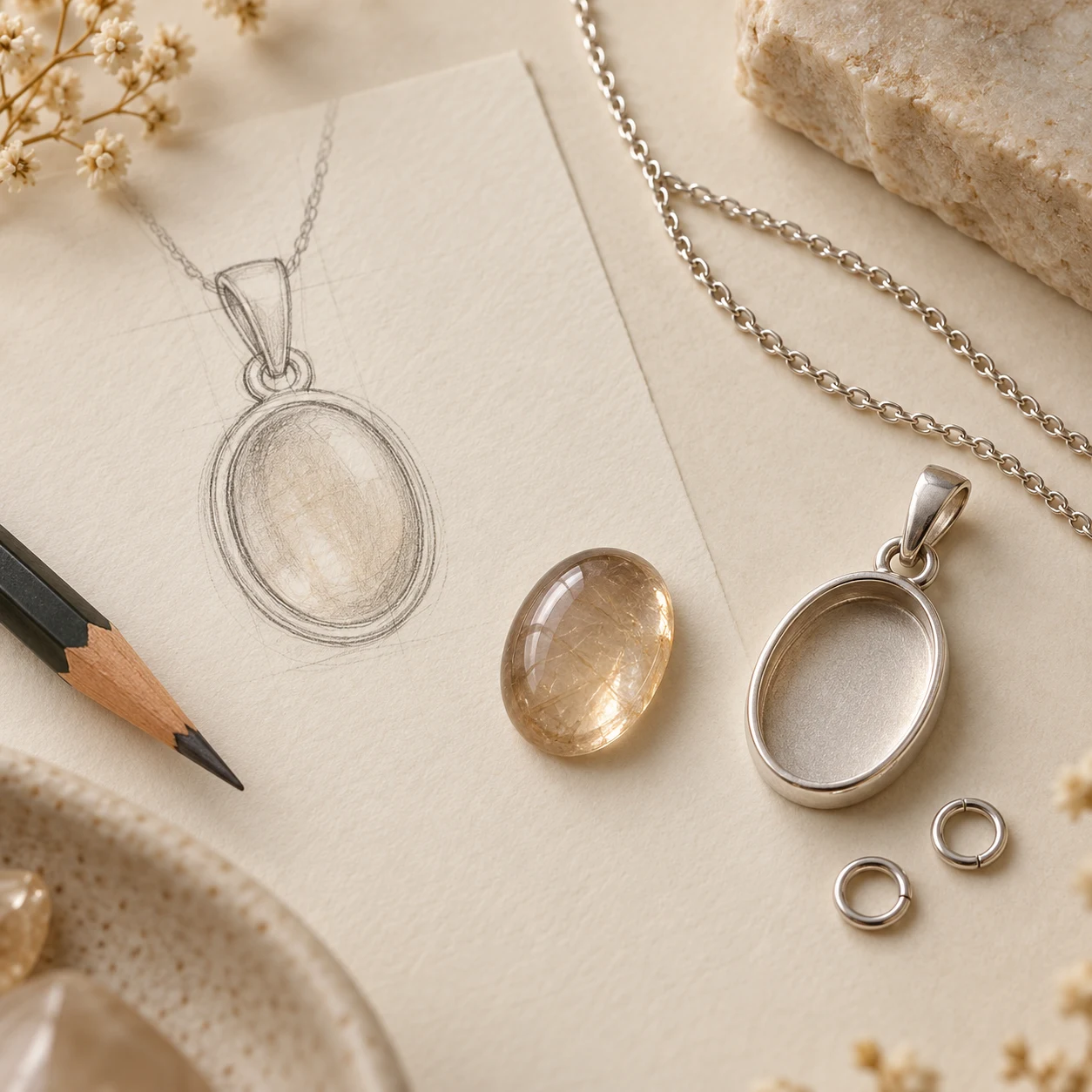
Use sketches, drawings, images or samples to identify shape and details. Label views and fixed or changeable features. Confirm digital formats and limits, and physical-sample arrangements before sending.
Materials, Colors, and Finishes
List each component’s material, color, finish, plating or treatment preferences. Include skin-contact and market documentation requirements. Confirm available options and evidence for your project.
Dimensions, Fit, and Component Interfaces
Give dimensions, ring size, holes, openings and critical tolerances. For stones, include shape, measurements and setting fit. Sketches support initial discussion; close fits require precise measurements and feasibility review.
Quantities, SKU Structure, and Order Plan
Estimate quantities by component or design, SKU count and sample needs. Note repeat-order frequency and volume and categories to coordinate. Confirm item-specific MOQ, stock, scope, capacity, prices and delivery terms.
Packaging, Labels, and Market Requirements
Describe packaging, labels, branding, inserts and market documents. Provide artwork where available and identify who supplies each item. Confirm availability and responsibilities for the project.
Target Market and Commercial Context
Identify destination, customer and sales channel, with any target price and purchasing or launch date. Distinguish preferred dates from firm deadlines. Confirm prices, timing and compliance outcomes.
Choose the Right Project Route
Choose a route based on what you already have and what you need next. You can discuss more than one route in the same brief.
| Route | Useful starting information | Main decision | Subject to confirmation |
|---|---|---|---|
| Standard sourcing | Component names, specifications and quantities | Which parts to request | Options and commercial terms |
| Multi-component coordination | Consolidated BOM or SKU list | Which categories need coordination | Coordination and order scope |
| Assembly | Component list, design and joining instructions | Which work is needed | Assembly scope and requirements |
| Semi-custom | Existing reference and requested changes | What should be modified | Available starting points and changes |
| Custom components | Design, dimensions and intended use | What needs new development | Feasibility and development scope |
| OEM/ODM support | Product scope, ownership and commercial brief | Who handles each part of development | Responsibilities and limitations |
Standard Component Sourcing
If you know the parts you need, list each item with its use, dimensions, material preferences, finish, and estimated quantity. Review jewelry components wholesale or discuss jewelry component sourcing for options and a quotation request.
Multi-Component Coordination
Prepare a BOM or SKU list across categories, with quantities, specifications, references and each part’s role. Confirm coordination scope.
Assembly or Finished-Piece Requirements
Show the design, component sequence, joining instructions, inspection and packaging needs. Identify buyer-supplied and sourced parts; confirm assembly scope.
Semi-Custom or Custom Components
Semi-custom modifies an existing design; custom develops a new component. Identify the starting reference, intended result, specifications and quantity. Confirm feasible changes and development scope.
OEM or ODM Projects
Define brand, product scope, design ownership, packaging, market and terms. Agree on each party’s development responsibilities and limits.
Project Review Checklist
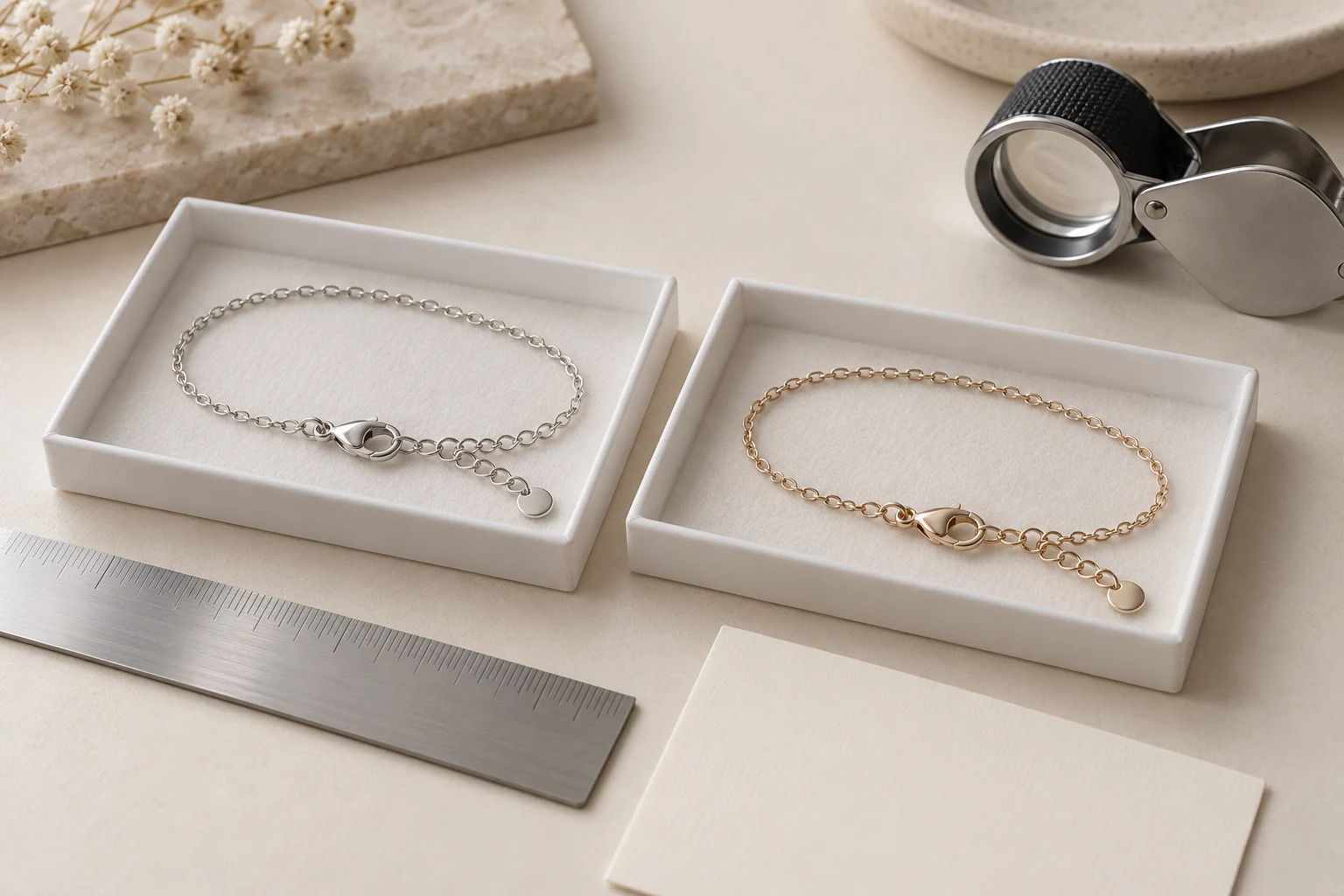
Check that your brief covers project goal, parts, references, specifications and fit, sample and order quantities, packaging, market, timing and approval criteria. Mark unknowns as questions.
Information That Improves Component Matching
Pair the component name and function with a reference image, dimensions, attachments and mating parts. Include measurements on both sides of a connection; appearance references do not replace critical dimensions.
Information Needed for a Commercial Review
Separate design and order information. For each SKU, give estimated quantity, destination, packaging, timing and any price target. Identify sourcing, coordination, assembly or development scope. Confirm MOQ, prices, lead time, stock and supply scope.
Information Needed for Quality and Approval
Define appearance, dimensions, materials, finishes and acceptance limits. Identify sample approval points and inspection responsibilities, and confirm methods, reports and arrangements.
How to Submit the Brief
Upload design files, request a quote for defined requirements or discuss the route with sales. Arrange physical samples separately.
Before Uploading Files
Name files clearly with product or SKU and revision. Remove confidential details unnecessary for initial review. State intellectual property or usage restrictions and confirm confidentiality and data handling before sharing sensitive material.
What Happens After Submission
COAOCO can review the brief to identify the sourcing, assembly or development route and further information needed. Confirm project fit, feasibility, commercial terms and next steps.
Custom Jewelry Brief Template
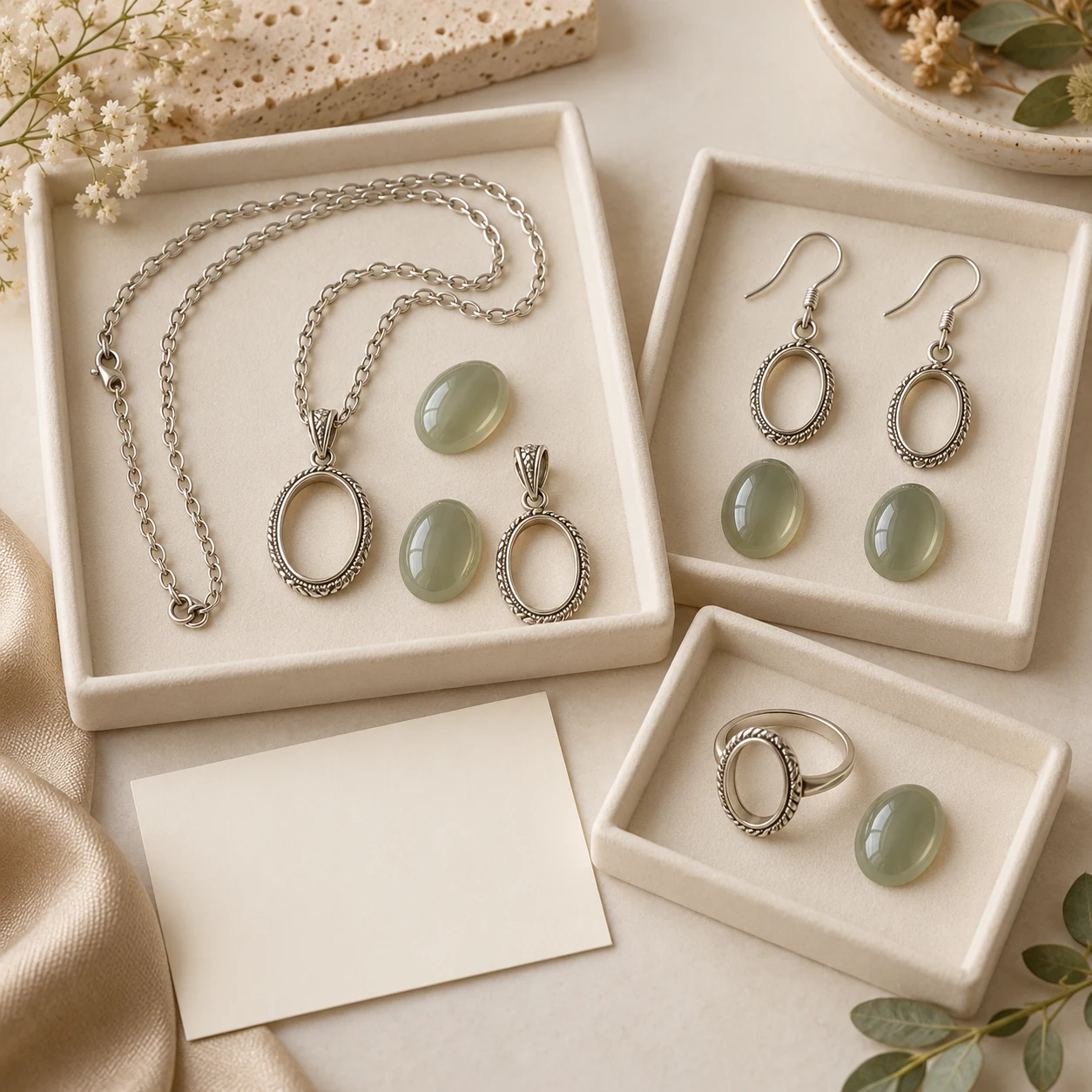
Complete the applicable fields:
- Company and contact
- Project, intended use and preferred next step
- Components and SKUs
- Drawings, images or sample references
- Materials, colors and finishes
- Dimensions, fit and attachments
- Sample and order quantities
- Market and sales channel
- Packaging and labeling
- Timing and approval requirements
- Target price and repeat orders, if relevant
- Design ownership and use restrictions
Mark undecided items as questions.
Common Questions Before a Custom Jewelry Inquiry
What is enough for an initial project brief?
Describe the item, use, quantity estimate, market, timing and support needed. Add available references, materials, dimensions, packaging and approval requirements; identify open decisions.
Do I need technical drawings or can I use references?
Sketches and images can start a discussion. Label what to keep or change; precise dimensions and tolerances may be needed for fit. Confirm file limits and physical-sample arrangements.
How should I describe multi-component or assembly work?
Provide a BOM with quantities, specifications, interfaces and references. For assembly, add sequence, joining instructions, inspection and packaging needs; confirm supported operations.
Which development route should my brief request?
Semi-custom modifies an existing design; custom develops a new component. For OEM/ODM, define broader product scope, design ownership and each party’s responsibilities. Confirm feasibility and limits.
Which specifications and terms need confirmation?
Verify materials, finishes, treatments, skin-contact evidence, MOQ, price, stock, lead time and sample fees. Separate firm deadlines from preferred dates; confirm packaging and labeling support.
How should quality and confidential design requirements be handled?
Define visual, dimensional, material and functional acceptance, sample approval, inspection responsibility and reports. Agree confidentiality, data handling and intellectual property before sharing files; verify market-compliance evidence separately.
Submit Your Custom Jewelry Project Brief
When your project files are ready, upload your custom jewelry specifications. If your products, quantities, and commercial requirements are defined, request a quote.