
COMPANY / MANUFACTURING & WHOLESALE
Jewelry Component Quality Inspection and Acceptance Requirements
Define quality through agreed specifications, references and acceptance criteria. Confirm what will be checked, who is responsible and which records your order requires.

How Jewelry Component Quality Is Defined for a Project
Define intended use, appearance, fit and function through specifications, a BOM and references. Agree quality checks and approval responsibilities with COAOCO for your manufacturing or wholesale order.

Start With a Written Product Specification
Record part name, use, quantity, materials and finish, dimensions and tolerances, connections and compatibility, packaging and market requirements. Mark undecided details for review.
Use Reference Samples and Approval Points
Use an agreed sample, drawing or image to define appearance and dimensions. Confirm sample availability, approval scope, approver and revision handling for the project.
Quality Checks Buyers Should Define Before Ordering
Define observable or measurable acceptance criteria. Confirm the available checks and documents for the project.
| Requirement | What to define | Evidence or approval needed |
|---|---|---|
| Product identity | Component name, design, and intended use | Approved description, drawing, or reference |
| Material | Material identity and any treatment requirements | Applicable material documentation, if required and available |
| Finish | Color, surface appearance, and plating or finish details | Approved reference and any required finish information |
| Dimensions | Relevant sizes and acceptable tolerances | Approved drawing and agreed measurement method |
| Fit or interface | Attachment points and matching parts | Agreed fit criteria or sample review |
| Appearance | Visible defects and acceptable variation | Approved visual reference and acceptance criteria |
| Quantity | Count by component or finished item | Agreed count and how it will be recorded |
| Packaging | Protection, packing units, and labels | Written packing instructions and approval requirements |
| Inspection method | Characteristics to check, stage, and responsible party | Agreed inspection plan |
| Acceptance criteria | What constitutes an acceptable result or deviation | Written criteria approved by the relevant parties |
| Supporting documents | Material, compliance, or inspection information needed | Confirm which documents can be supplied and by whom |
Appearance, Finish, and Color
Identify visible surfaces, unacceptable marks and finish differences. Agree color references and permitted variation. Confirm plating or finish details separately from color names.
Dimensions, Fit, and Component Compatibility
Identify critical dimensions, holes and attachments. Review chain, clasp and connector interfaces; stone-to-setting measurements; and earring structural connections. Agree tolerances, fit limits and any physical checks, with responsibility for approval.
Material and Compliance Questions
Confirm material identity, plating and treatments. State skin-contact, market, restricted-substance and documentation requirements. Verify which tests or documents can be supplied, by whom and at what cost.
Inspection Scope and Responsibility to Confirm
Specify what is checked, when, by whom and against which approved reference. Agree who carries out product and assembly checks, approves samples and records results or issues.

Incoming Component Review
Discuss quantity, appearance, dimensions, material or finish evidence and fit against approved references. Confirm available checks, tools and records.
Assembly and Finished-Piece Review
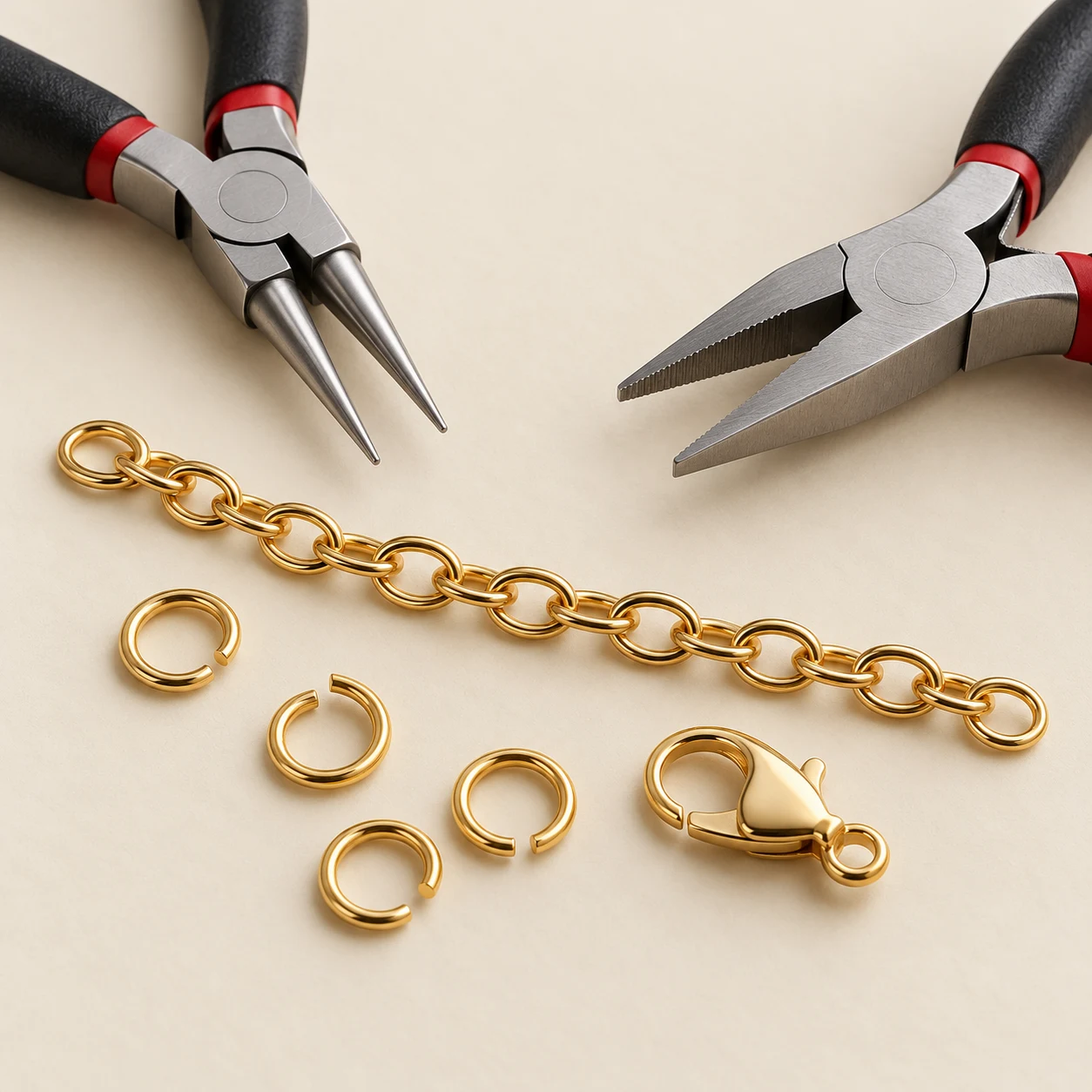
Agree checks for component matching, attachments, alignment, appearance and movement. Include packing and quantity where relevant, and confirm available operations and inspection scope.
Third-Party Inspection and Reports
Request independent inspection, laboratory testing, photographs or records if needed. Confirm availability, scope, responsibility and cost for the order.
How to Agree Acceptance Criteria Before Production or Assembly
A practical sequence is to:
Confirm the timing and cost of each agreed step before the project proceeds. Sample availability and approval stages are project-specific.
01
Define the product and quality requirements.
02
Review sourcing options against those requirements.
03
Confirm samples or other references where applicable.
04
Document acceptance criteria and the proposed checks.
05
Approve the project scope and responsibilities.
06
Agree how deviations will be reported and handled.

Define Acceptable Variation
Record acceptable variation and assessment methods for dimensions, color, surfaces and natural stones, pearls or crystals. Use agreed references or written limits.
Record Approval and Change Control
Keep approved drawings, BOMs, samples, images and revisions together. Agree how changes are recorded, who approves them and their effects on specifications or checks.

Plan Nonconformity Handling
Agree how defects, shortages, mismatches and other deviations are reported and reviewed. Define decision-makers and potential correction, replacement or credit; no remedy or response time applies without agreement.
What COAOCO Needs to Review a Quality Requirement

Provide product quantities, measured references or a BOM, materials and finishes, connections, use, market, packaging, acceptance criteria and required tests or evidence. Confirm file formats and physical-sample arrangements.
Choose the Right Project Route
Choose sourcing for parts, coordination for multiple categories, assembly for joined pieces or custom development for new and modified parts. Agree on operations, checks and approval scope.
Request a Project-Specific Quality Review
Share your component list, quantities, specifications, and acceptance criteria so the required scope can be discussed. Ask which checks, documents, and responsibility arrangements can be confirmed for your project.