
APPLICATIONS / SOURCING & PROJECT SUPPORT
Jewelry Components for Designers
Turn sketches, references or samples into a clear component request. Define what is fixed and what remains open, then discuss sourcing, assembly or development.
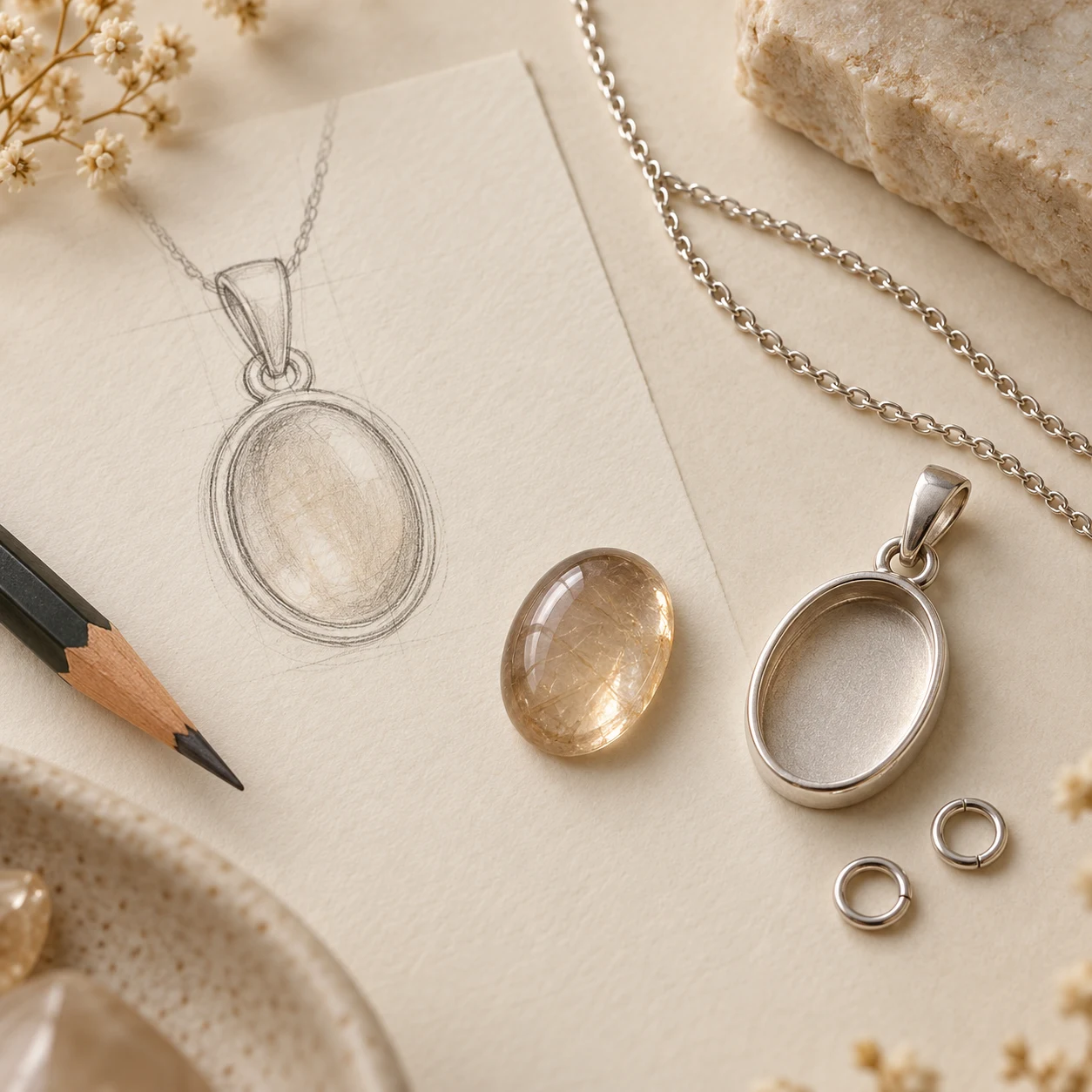
Jewelry Components for Design-Led Projects
Start with a sketch, image, sample reference, component list or specification, and identify undecided dimensions or materials. COAOCO supports component sourcing, production and order coordination, assembly and custom development. Confirm the options and service scope for your design.
Start with the Design Outcome
Define the finished jewelry form, each part’s function, connections and skin contact. Consider visual style, attachments and stone or bead placement, and decide whether you need loose components or an assembled item.
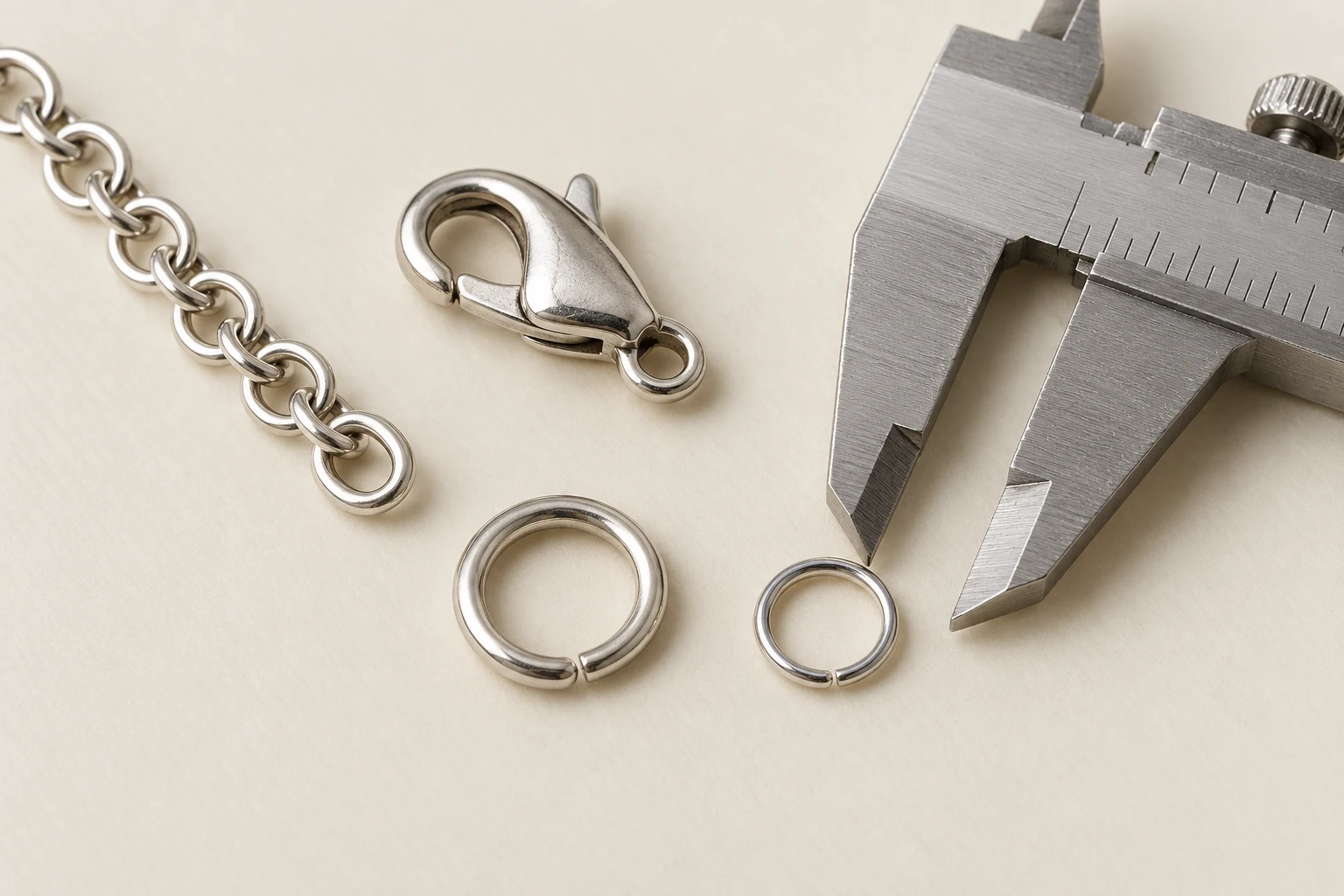
From Sketch or Sample to a Component List
List each part’s function, dimensions, quantity, material, finish, connection and known tolerances. Identify what a physical sample should convey, then confirm availability and sharing arrangements.
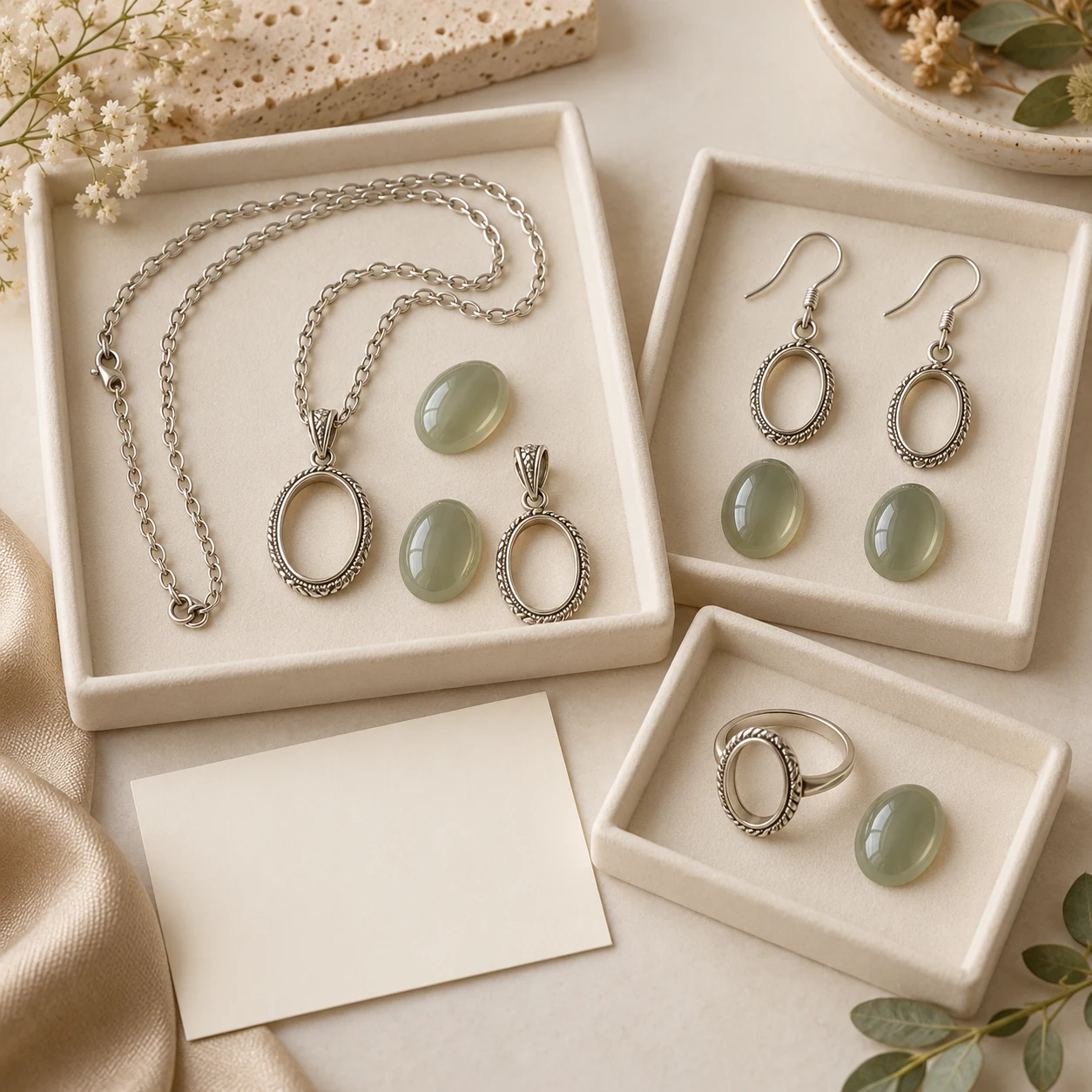
Separate Confirmed Requirements from Open Choices
Mark each detail as fixed, preferred or open to alternatives. State acceptable substitutions and limits, and include packaging and sales market. Distinguish essential fit requirements from visual preferences and unresolved choices.
Component Categories Designers May Need
Organize your list by the role each part plays in the design. You can browse jewelry products to identify relevant categories; specific products and options require confirmation.
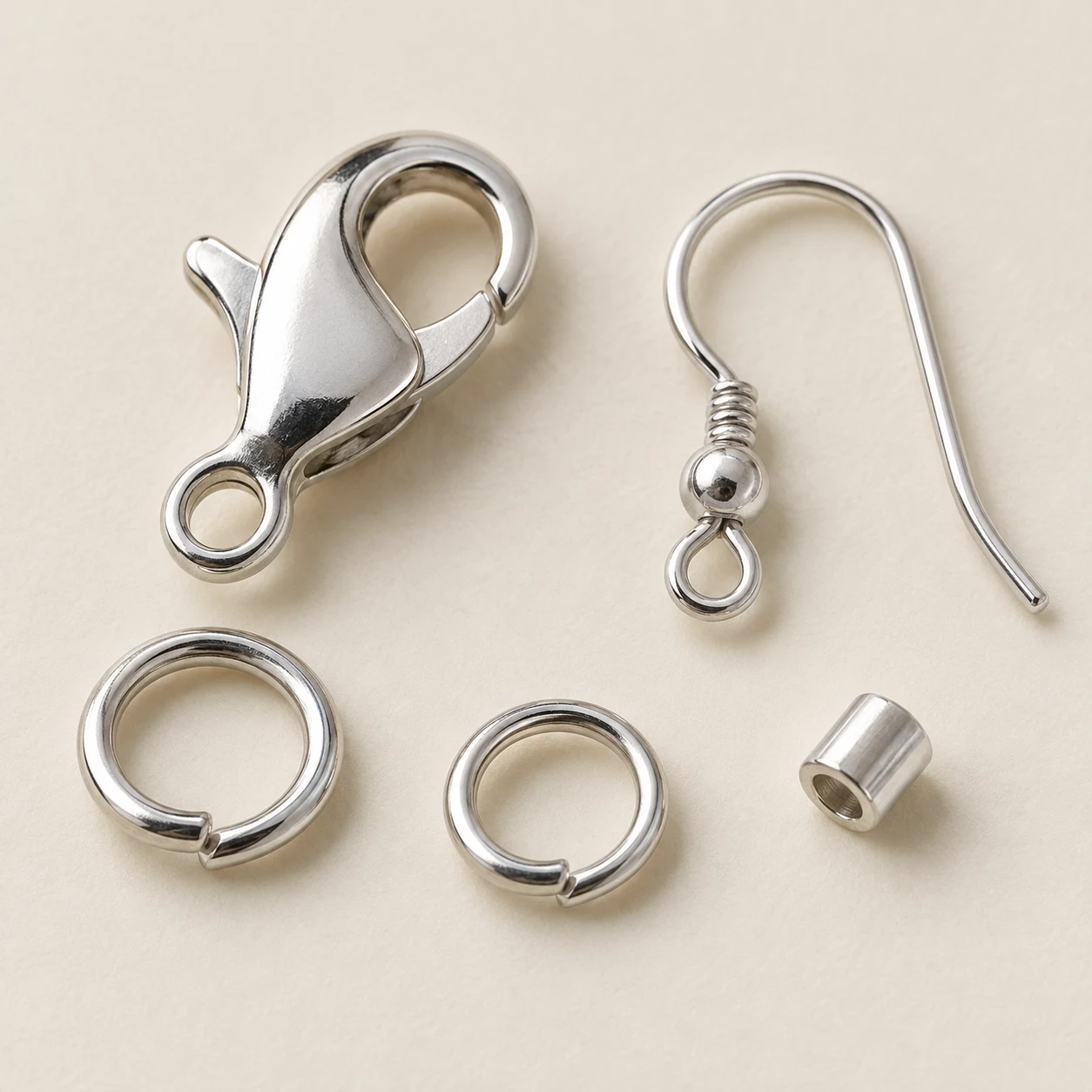
Findings and Structural Parts
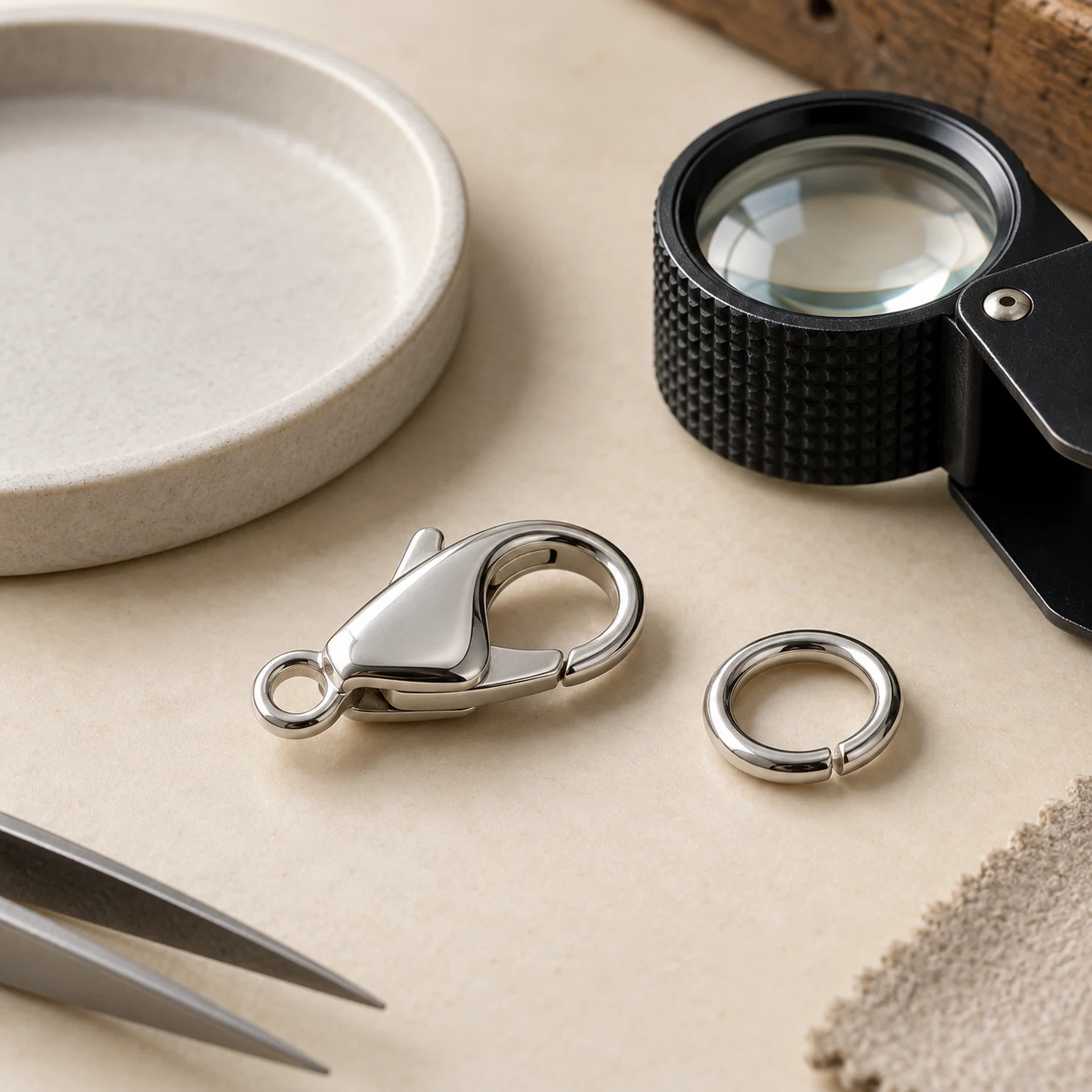
List functional parts for connection, security and completion: connectors, clasps, earring fittings, necklace or bracelet parts, ring components and settings. Include decorative parts in a broader component request.
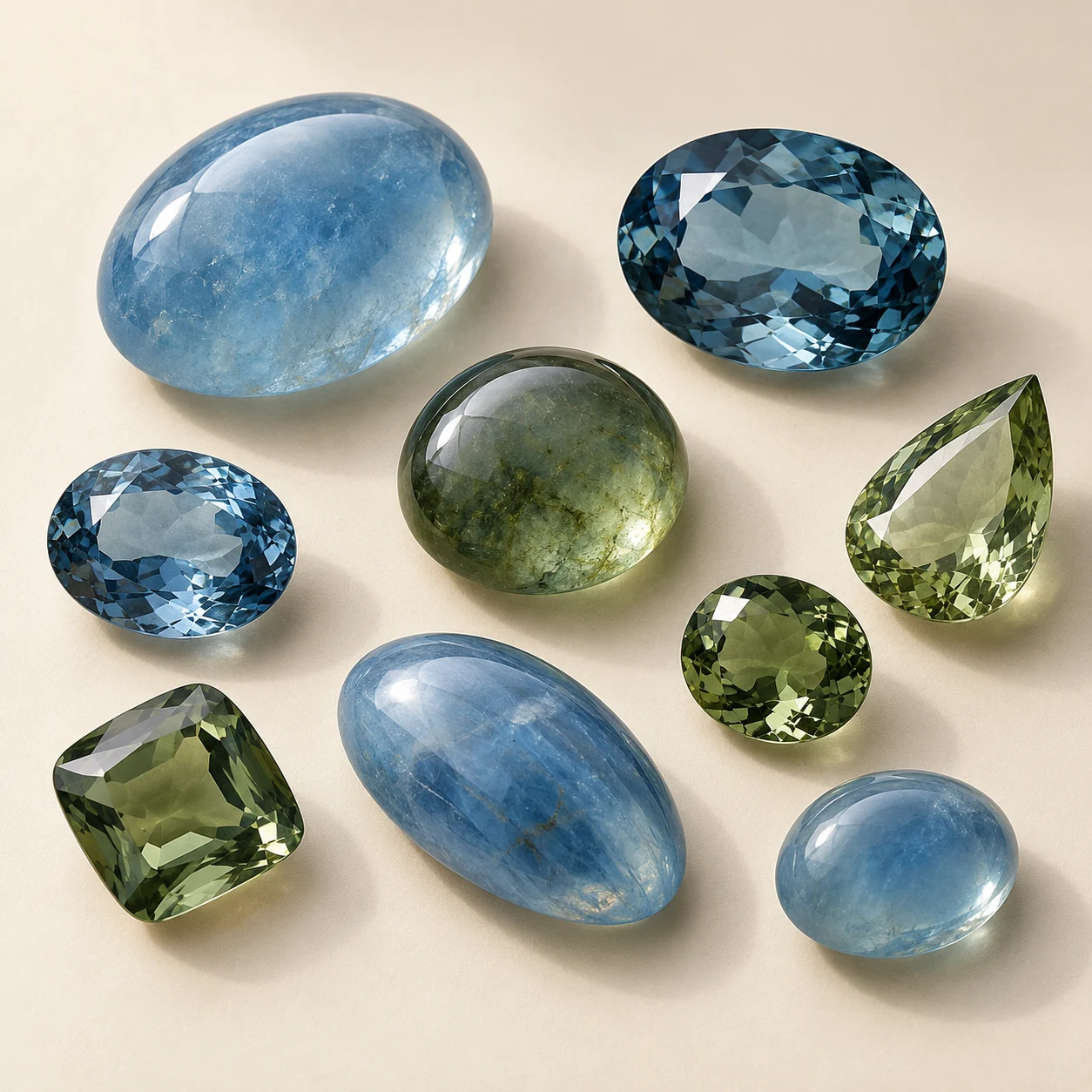
Decorative Components and Stones
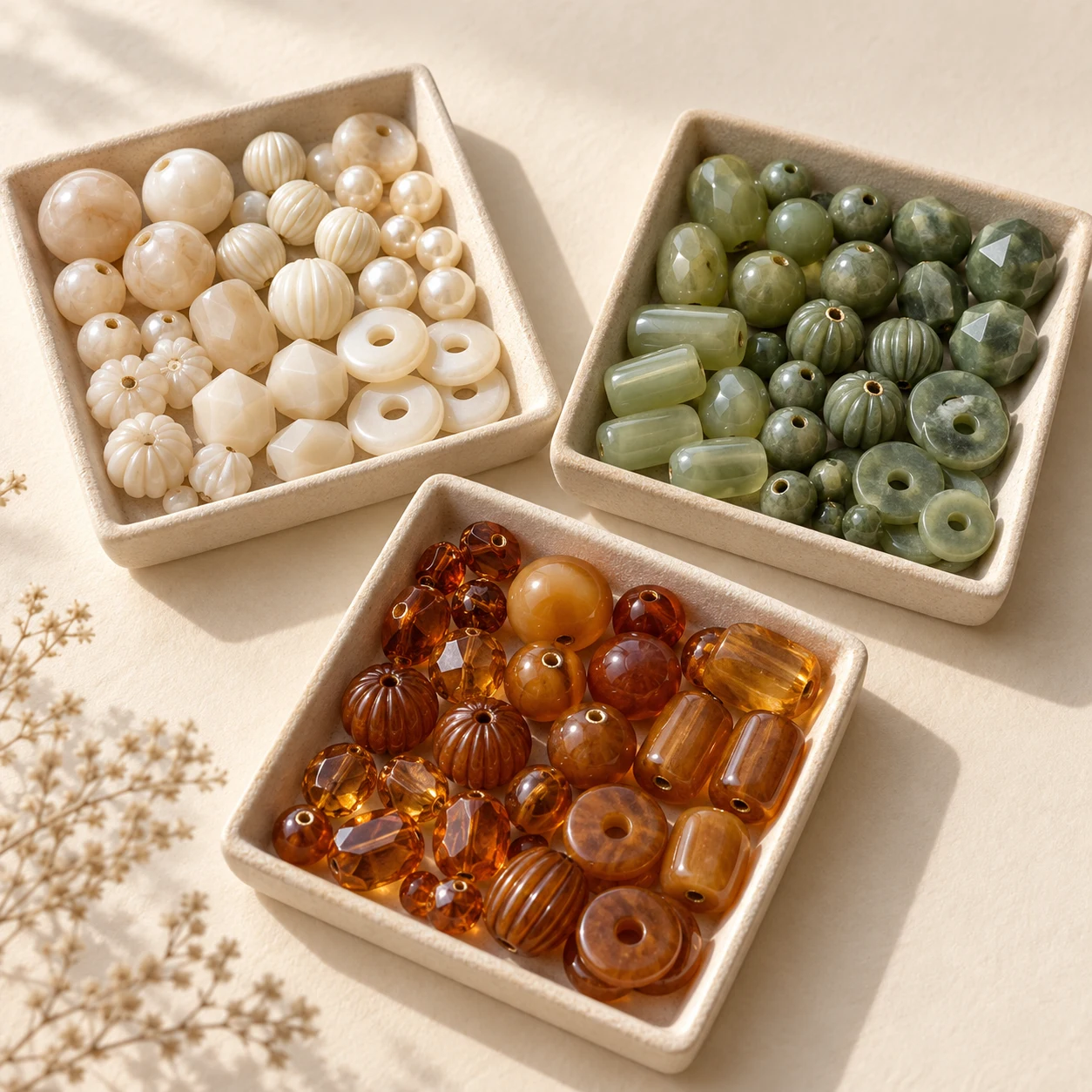
Define beads, charms, pendants, cabochons, gemstones, crystals and pearls around the desired appearance. Review stones and settings together using shape, dimensions, variation and mounting references; confirm fit against drawings, samples or agreed specifications.
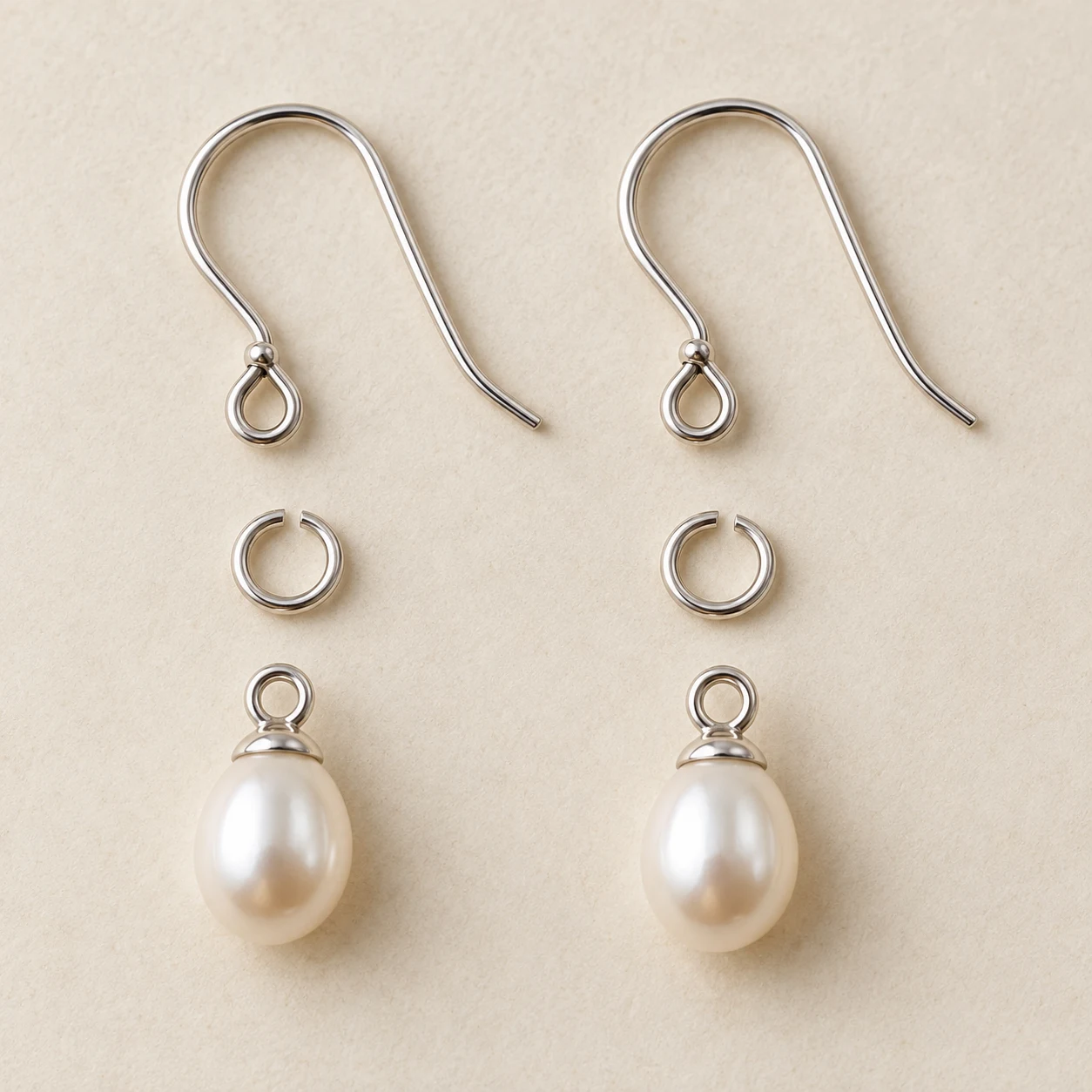
Components for Complete Jewelry Forms
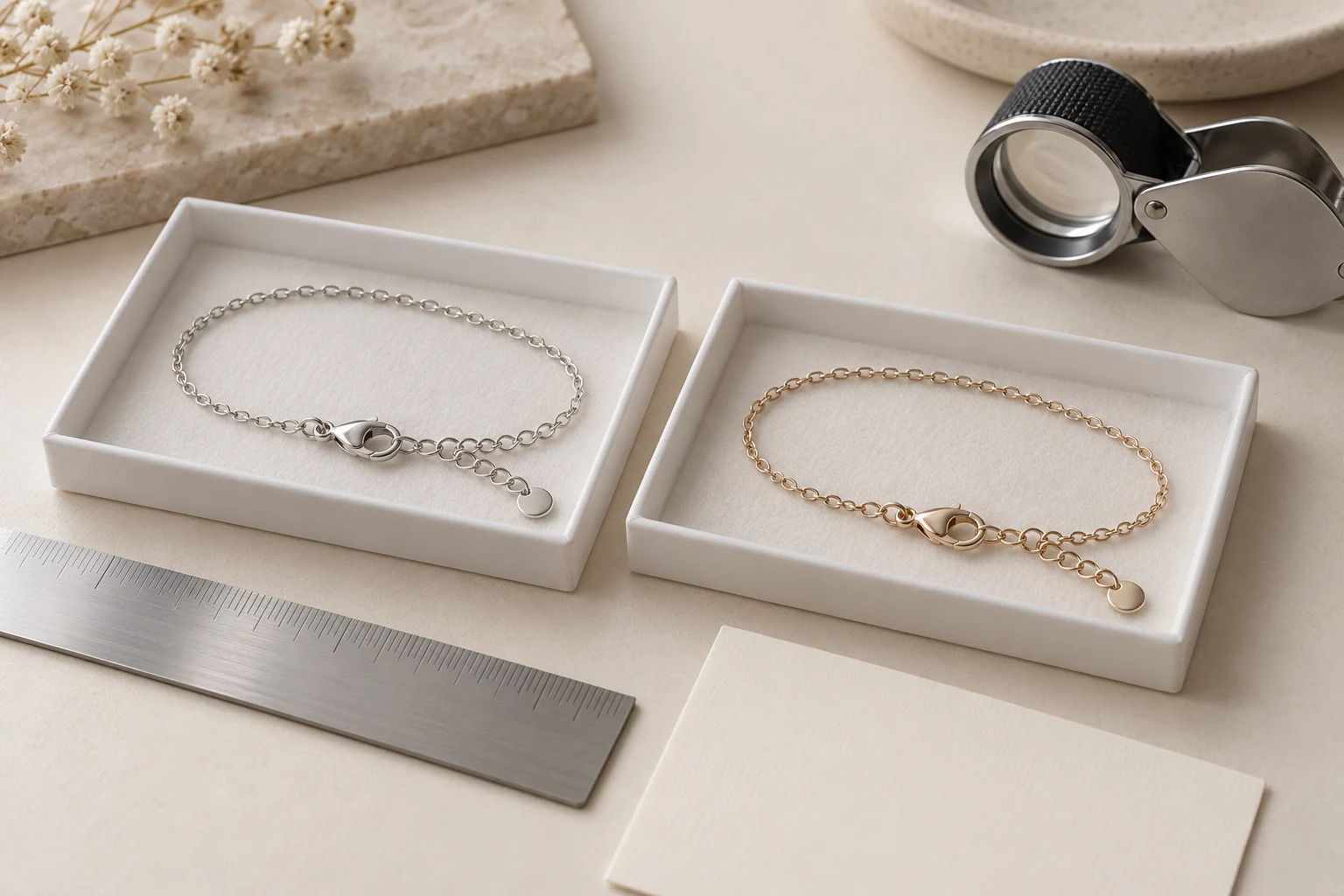
Group parts by finished form: earring fittings and decoration, necklace or bracelet chains and closures, or ring bands and settings. Identify functional findings needed to complete each piece.
Choose the Right Purchasing Route
The right route depends on what you already know and what work remains. Confirm the scope and responsibilities for your project before placing an order.
Individual Component Sourcing
For known parts that you will design or assemble yourself, provide description, quantity, dimensions, material and finish. Request a quote when specifications are ready.
Coordinated Multi-Component Sourcing
List all categories and identify which parts must match or connect. Confirm production and order coordination scope for the design.
Assembly from Sourced Components
Describe the finished or semi-finished construction and send an assembly drawing or reference. Confirm operations, sample approval, inspection, packaging, MOQ and timing.
Custom or Semi-Custom Development
Source an available part, modify an existing one or develop a new component. Share specifications and quantities; confirm feasibility, design ownership and permitted intellectual property use.
Selection Factors for Designer Components
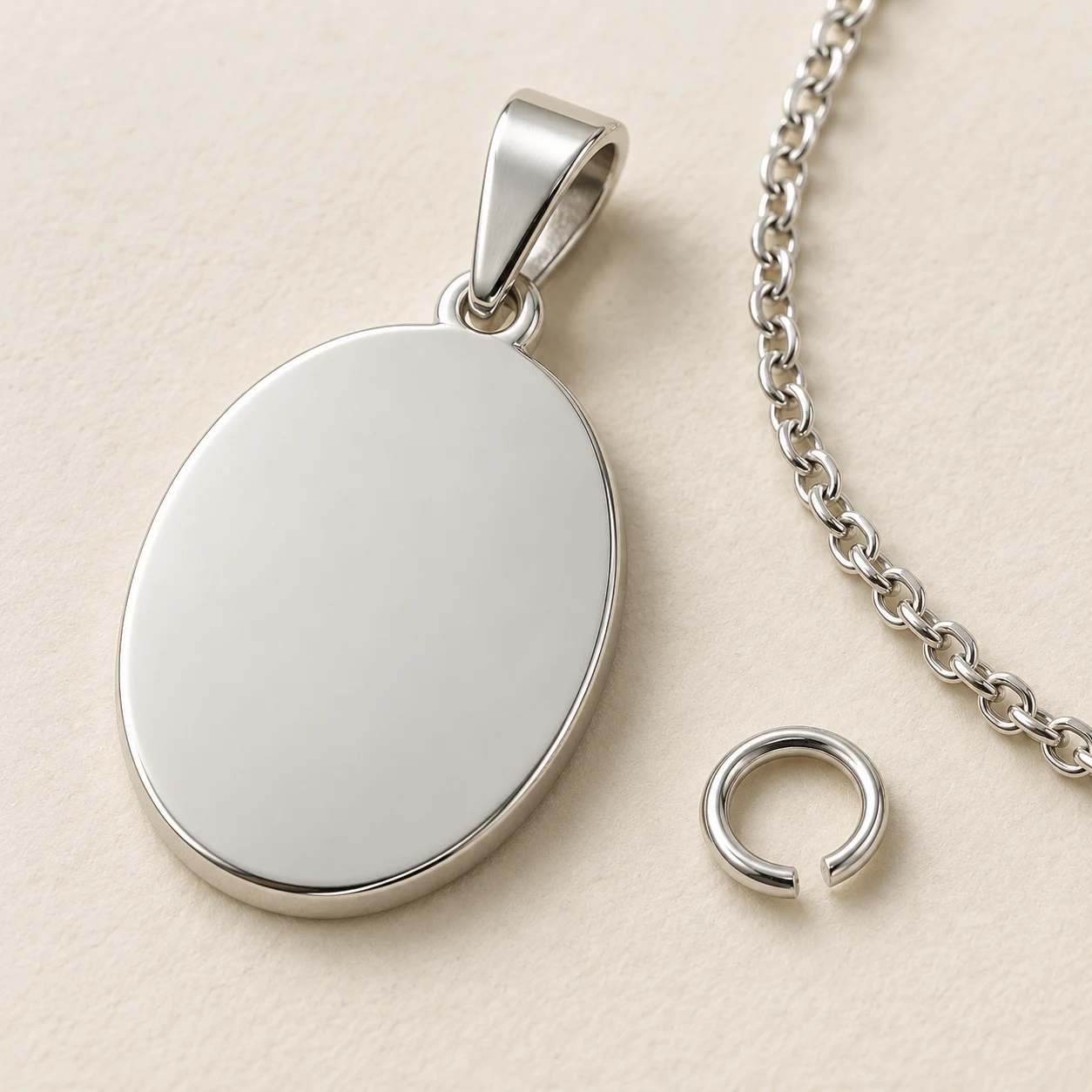
Function and Compatibility
Check holes, loops, clasp interfaces and stone seats, including thickness, movement and assembly method. Confirm dimensions and fit using drawings, samples or approved specifications rather than appearance alone.
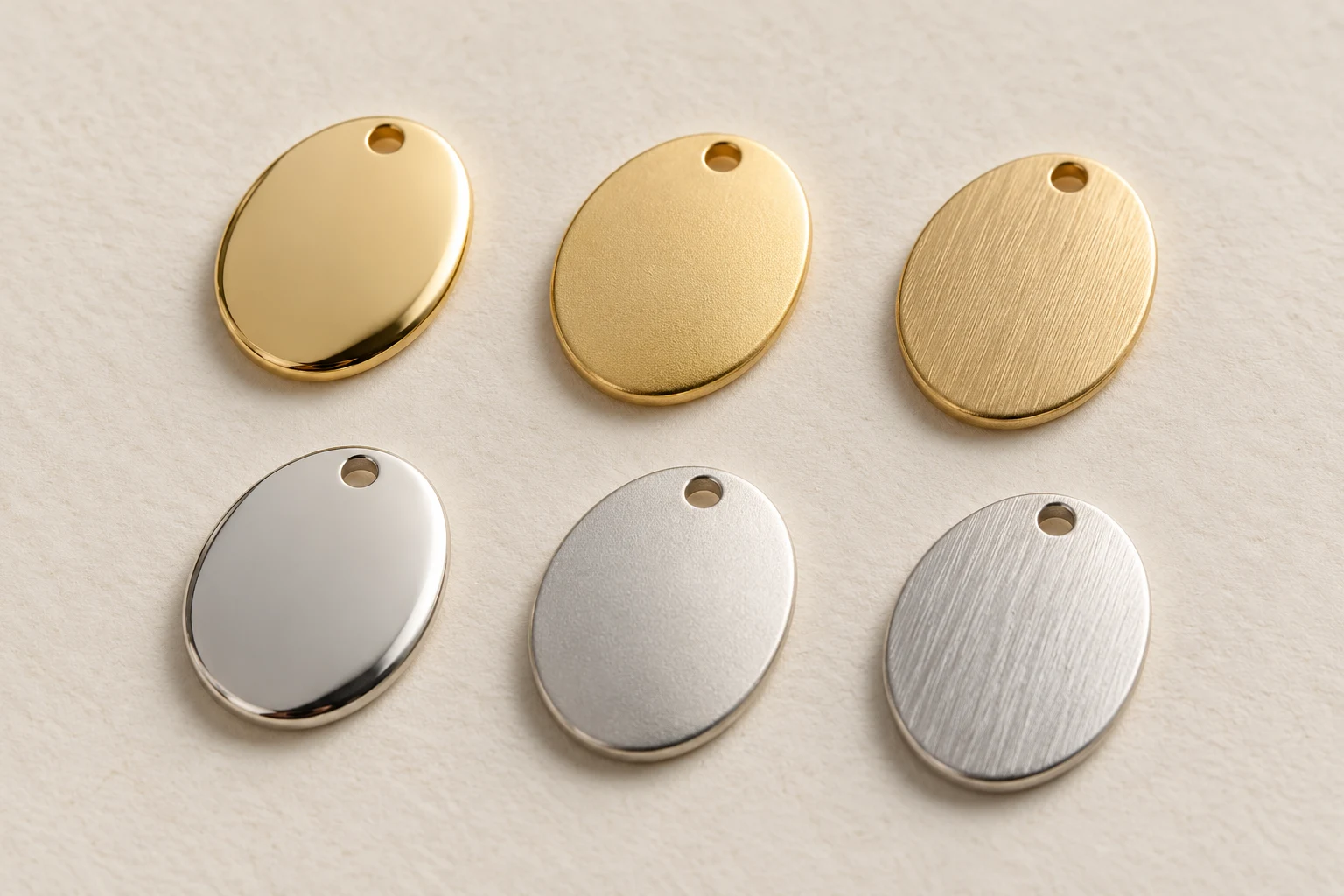
Material, Color, and Surface Requirements
Specify material category, color, finish and surface appearance. Identify skin-contact parts, target market and documentation needs; verify options and supporting information for the requested components.
Quantity, Sampling, and Replenishment
Separate prototype or sample quantities from the expected order. Give possible reorder quantity and frequency as planning information. Confirm sample availability and cost, MOQ, inventory arrangements and repeat-order timing.
Visual Accuracy and Approval Points
Identify critical color, surface and proportion details in references. Agree dimensions, acceptable variation, sample approval, inspection criteria and packaging. Confirm inspection methods and any reporting for the project.
What to Send with a Design Inquiry
Include:
- Sketches, references and a BOM.
- Dimensions, connections and tolerances.
- Fixed material and finish requirements and alternatives.
- Sample and order quantities per SKU.
- Market, documentation and compliance needs.
- Assembly, packaging and timing.
Confirm upload formats and limits; arrange physical samples separately.
What COAOCO Must Confirm Before Quotation
Confirm availability and specifications, fit and tolerances, development or assembly scope, file requirements, samples and charges, MOQ and timing, inspection and reports, packaging and shipping, and required compliance evidence. Mark essential requirements as fixed.
Move from Design Brief to the Next Step
Upload measured design files, request a quote for defined parts, or discuss open sourcing and development decisions with sales. Arrange physical samples separately.