PRODUCTS / SOURCING & PROJECT SUPPORT
Cabochons and Gemstones for Wholesale Jewelry Projects
Source cabochons and gemstones around the design, setting and material requirements. Share shape, dimensions, appearance and quantities to discuss suitable options.
Cabochons and Gemstones for Jewelry Component Sourcing
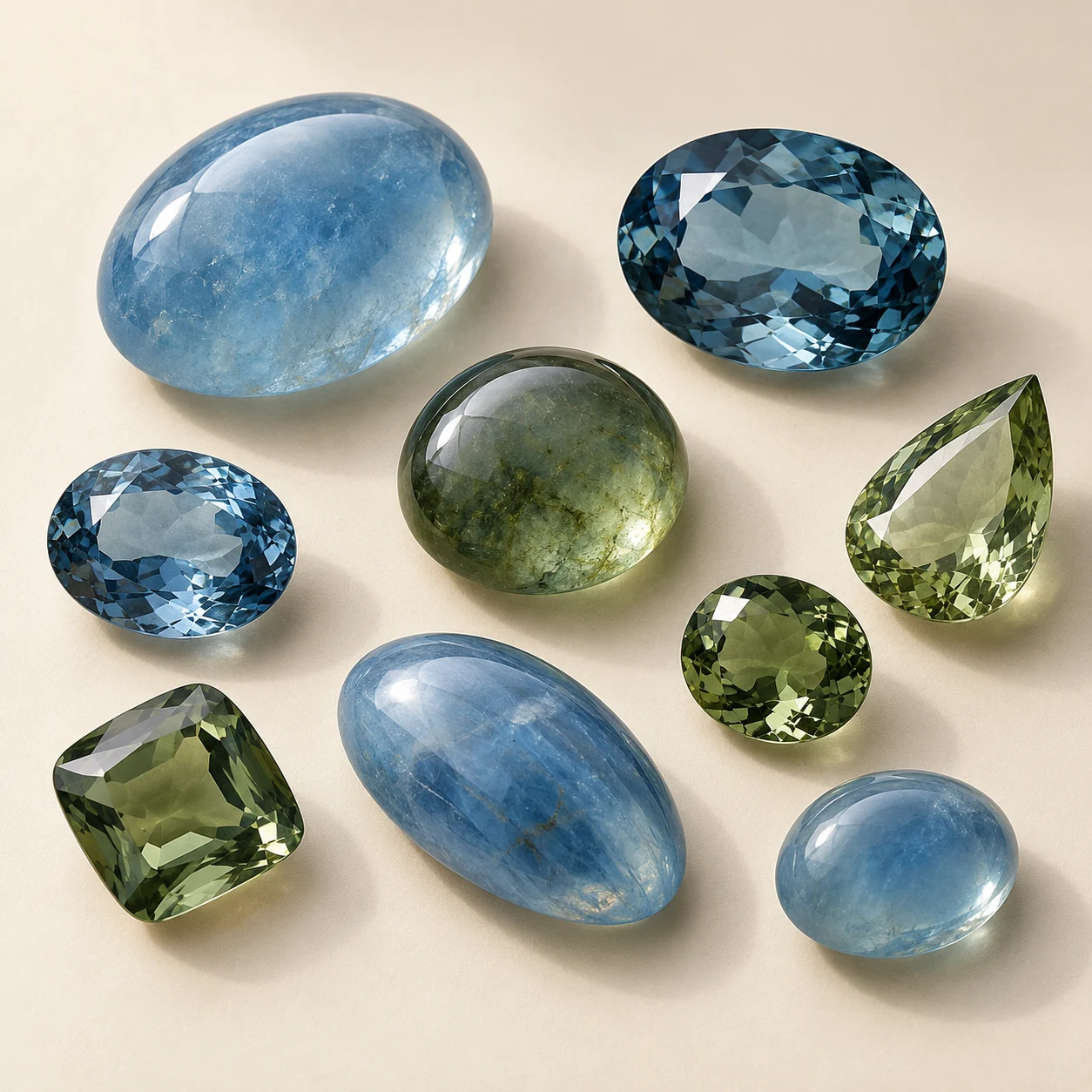
Cabochon describes a smooth, polished cut; gemstones may be cabochon-cut, faceted or otherwise shaped. Source stones by identity, dimensions, appearance, treatment, quantity and intended setting. Confirm attributes, availability and terms per option.
Choose the Stone Format for the Design
Cabochons for Settings and Surface-Focused Designs
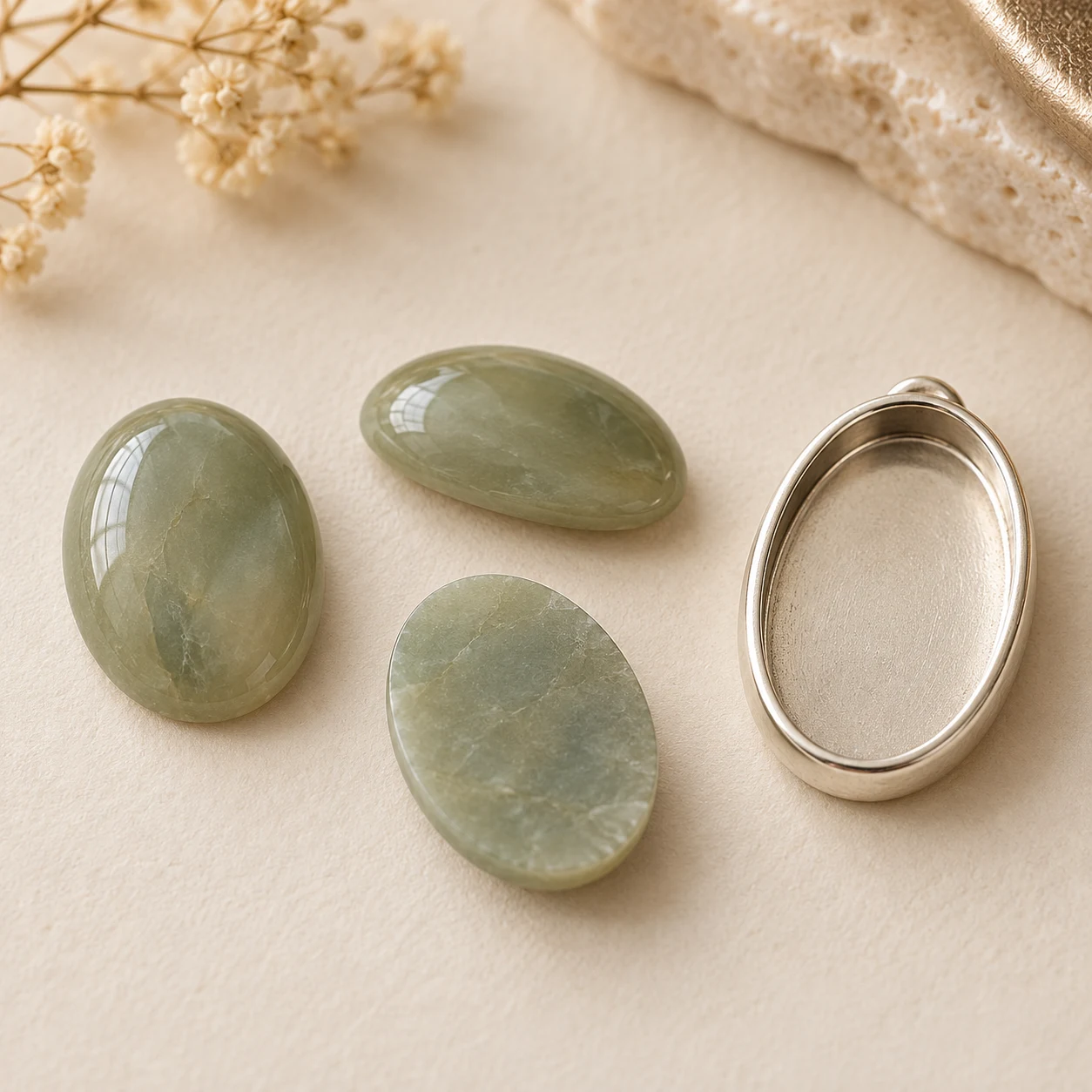
Cabochons emphasize a shaped, polished surface. Describe the required shape, finish and intended setting or mounting surface; profile and edge affect how the stone sits.
Gemstones for Component and Collection Development
Specify material identity, cut, size, treatment requirements and appearance. For a collection, state how closely stones must match; a gemstone name alone may not define the request.
Specifications to Confirm Before Requesting Options
Specify:
- Material identity and acceptable natural, synthetic or imitation status.
- Shape, dimensions in consistent units and tolerances.
- Color, finish and matching requirements.
- Treatment disclosures and documentation.
- Holes, setting and mounting details.
- Quantity, use, packaging and market.
Identify open decisions and confirm each proposed option.
Match Stones to Jewelry Settings and Components
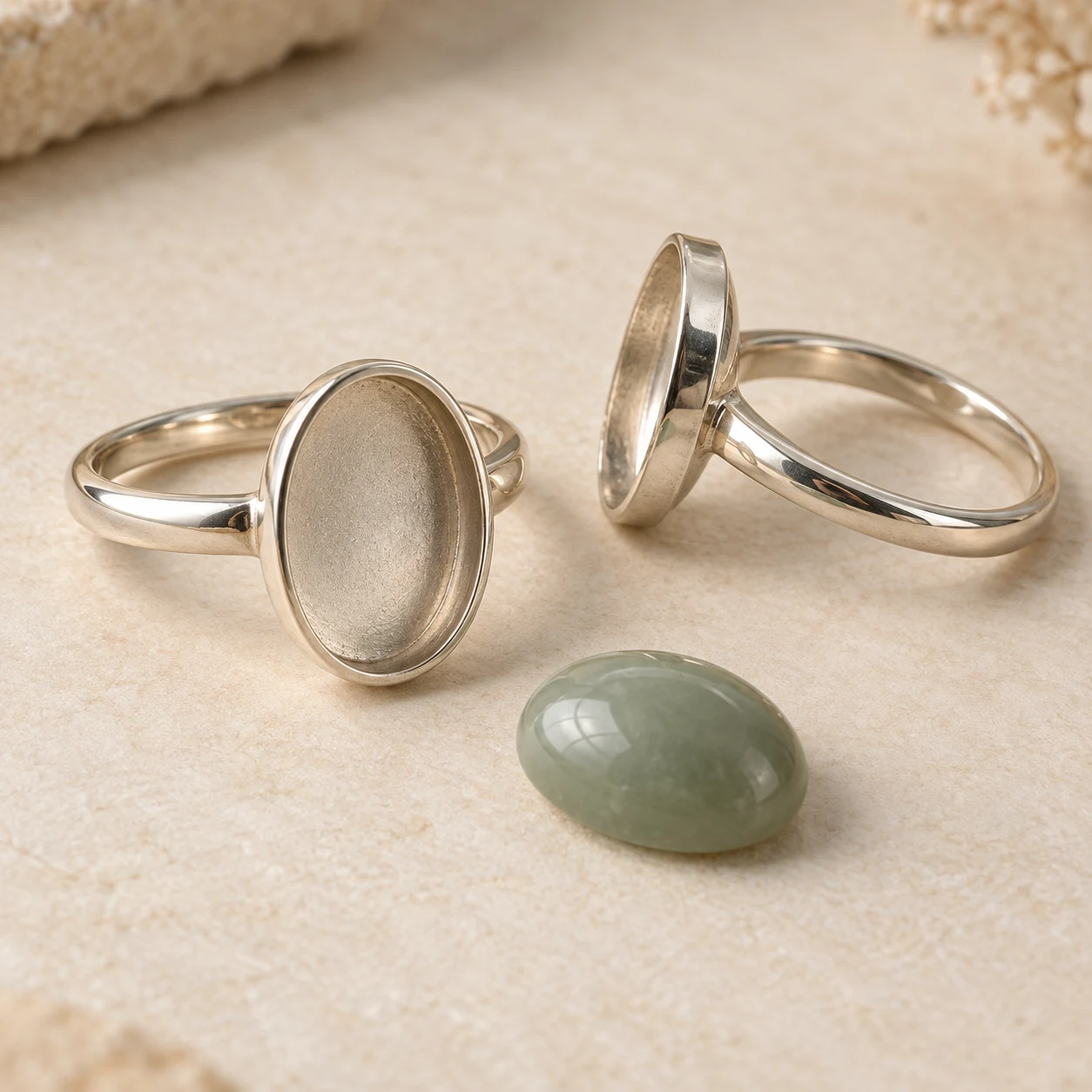
Compare stone dimensions, profile and edges with the setting, mounting method and tolerances. Check drilled-hole size and position. Use measurements, drawings or samples to verify fit; nominal size alone is insufficient.
Natural, Synthetic, Treated, and Source Information
Natural stones form in nature; synthetic stones generally share the natural counterpart’s essential material identity. Imitations resemble another material. Natural and synthetic stones may be treated.
Confirm identity, treatments and any required origin evidence per option. Verify that images represent the goods and agree how samples relate to the order. Request certificates or laboratory reports in advance; general guidance cannot verify a specific stone.
Buying by Product Need and Order Structure
Single Stone Category Requests
For one design or an existing setting, send the stone category or reference, shape, dimensions, quantity and intended use. Include acceptable variation and treatment disclosures to compare options consistently.
Multi-Component Jewelry Projects
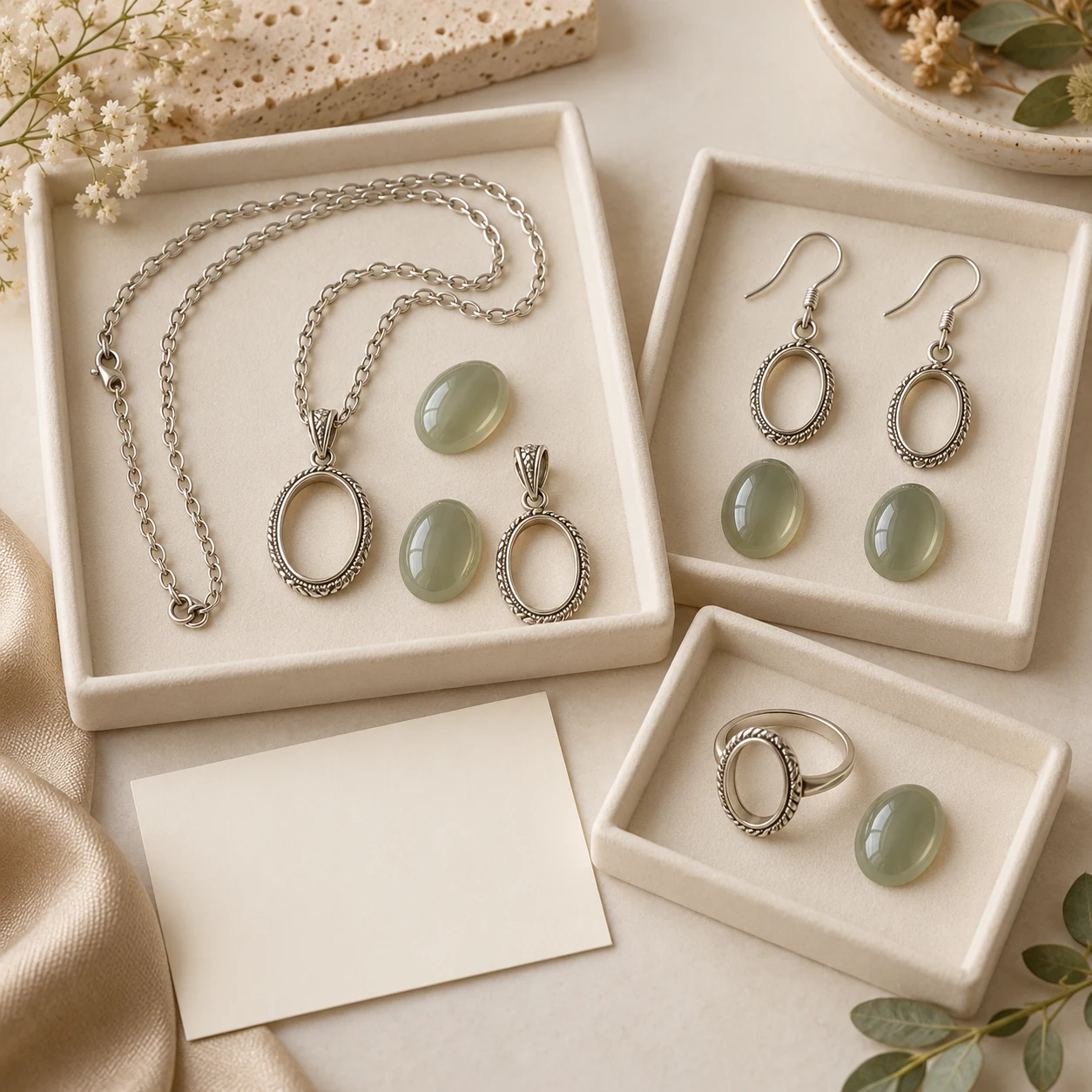
List stones, settings, chains, beads, pendants and related parts separately, showing their connections. A pendant setting may need to fit both stone and chain. For multi-category or multi-SKU sourcing, confirm coordination scope and responsibilities.
jewelry component sourcing · multi-component order coordination
Custom or Design-Led Requirements
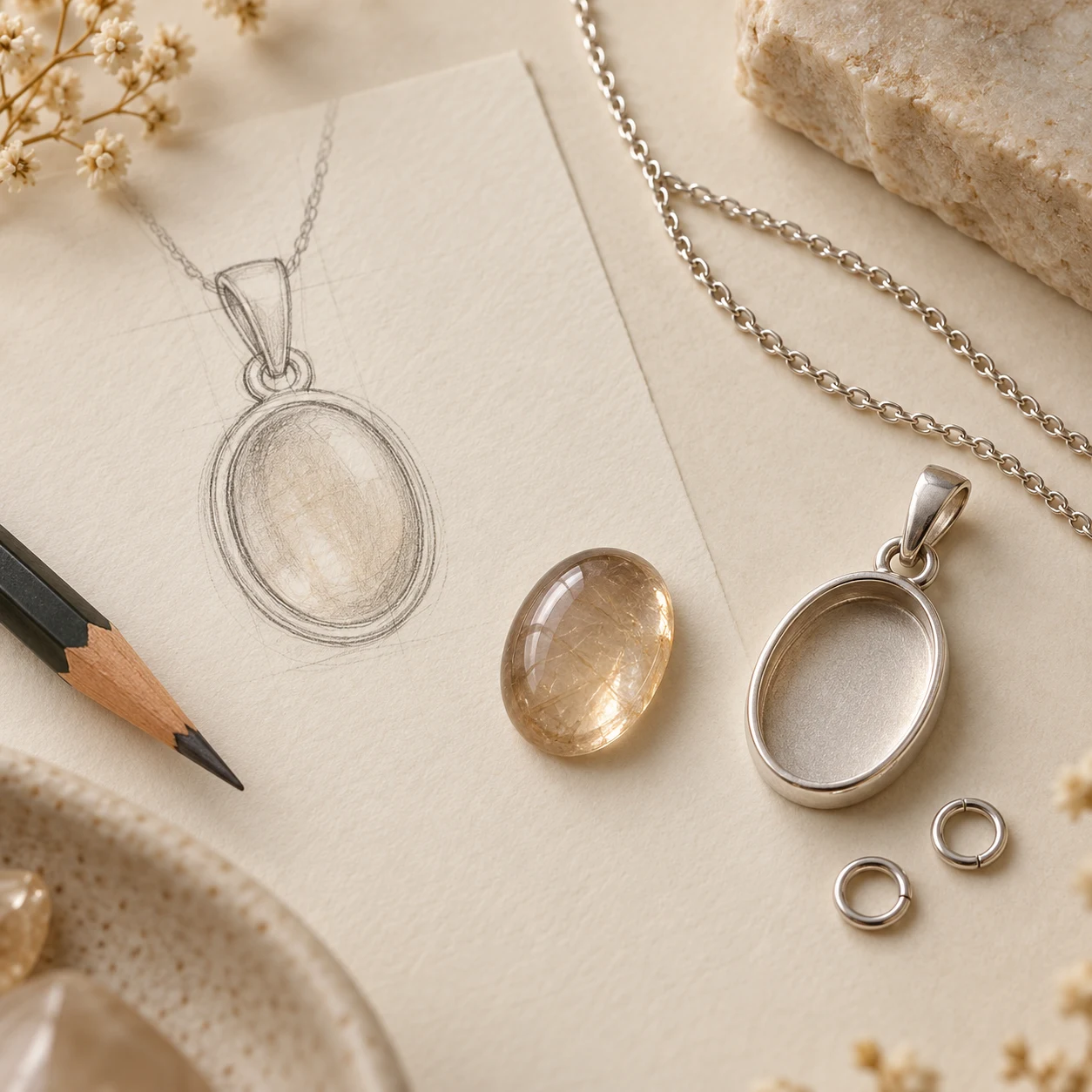
Use a drawing, image, sample reference or component list to define critical dimensions and details that must remain unchanged. Discuss related made-to-design parts and confirm development feasibility and scope.
How to Evaluate Stone Options Before Ordering
Agree on dimensional fit, permitted visual variation, identity and treatment evidence. Define sample checks, approval records, fees and shipping. Separately agree on full-order acceptance, inspection responsibility, protective packaging and reports. Confirm availability, pricing, MOQ and delivery terms.
What to Send for a Gemstone Options Request
Send stone references, intended use, material identity and acceptable status; dimensions, quantity and tolerances; color, finish and treatment evidence; setting, mounting or hole details; and market, packaging and decision timing. Add drawings or a BOM. Arrange physical-sample review separately; missing details may limit assessment.
Request Cabochon and Gemstone Options
Send stone specifications, quantities and intended settings, with design files where available. Confirm fit, availability, samples, pricing, MOQ, delivery and documentation.