
SERVICES / MANUFACTURING & PROJECT SUPPORT
Semi-Custom Jewelry Development for Existing Jewelry Components
Start with an existing component, style or reference and identify the changes you want. Discuss feasibility, samples and the sourcing or assembly route for the design.
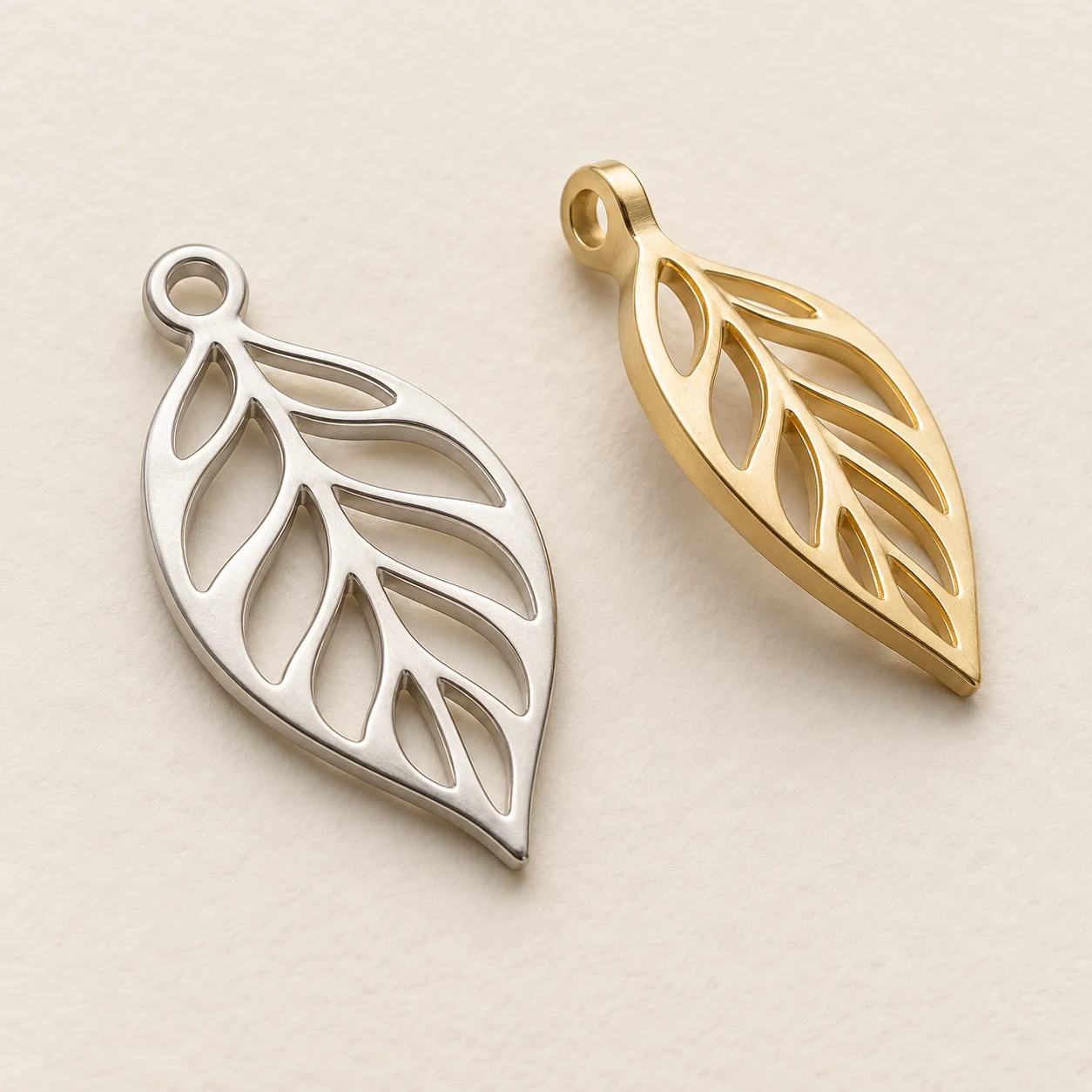
What Semi-Custom Jewelry Development Means
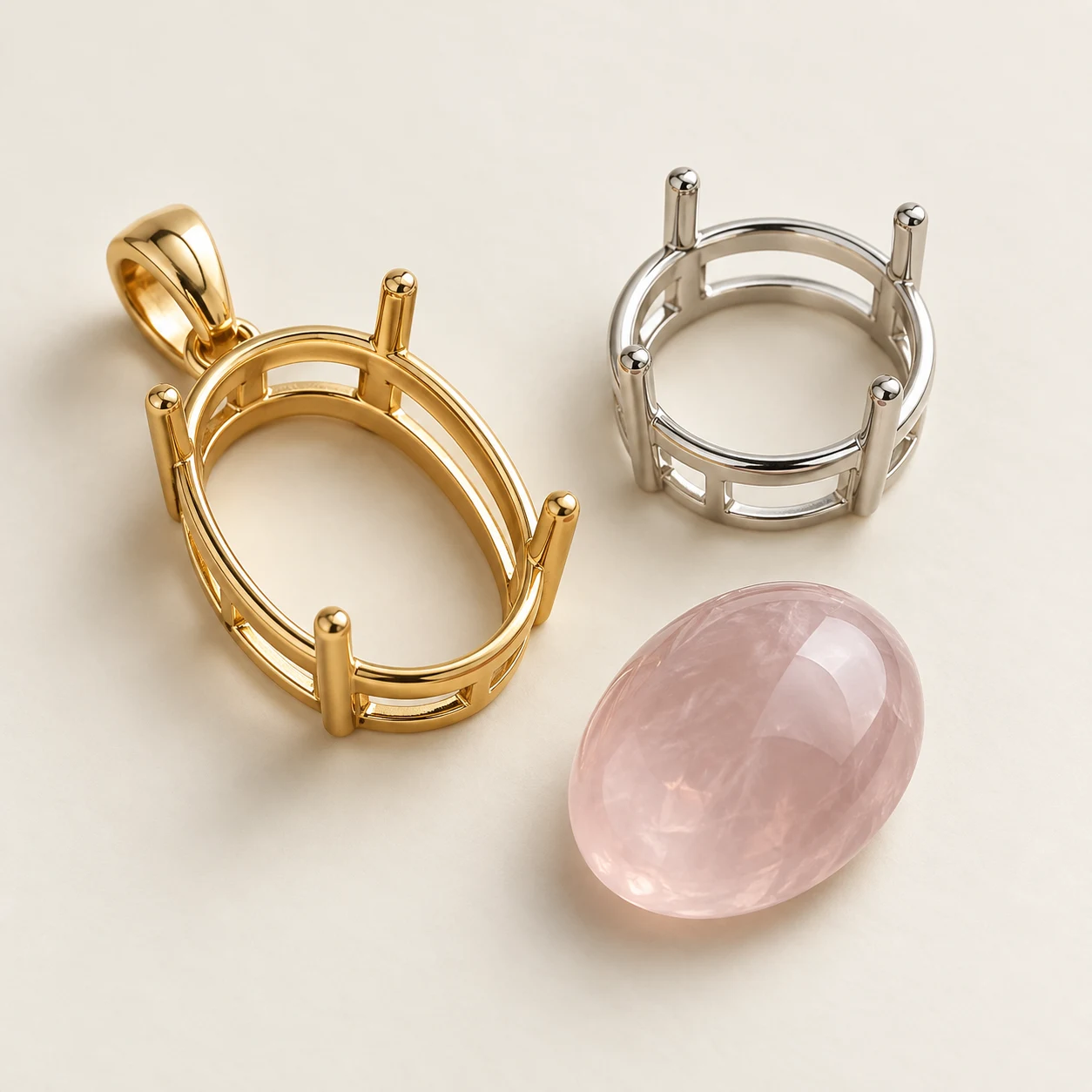
Semi-custom development adapts or combines existing components from a reference. Standard purchasing selects known parts; full custom development creates a new component; assembly joins components into jewelry. A project may combine these routes. Confirm the available modifications.
When a Semi-Custom Route May Fit
Discuss changes to an existing component, style, sample reference or combination, including visual details or alignment across a collection. Feasibility depends on the starting part, changes and available resources.
Existing Component or Style Adjustments
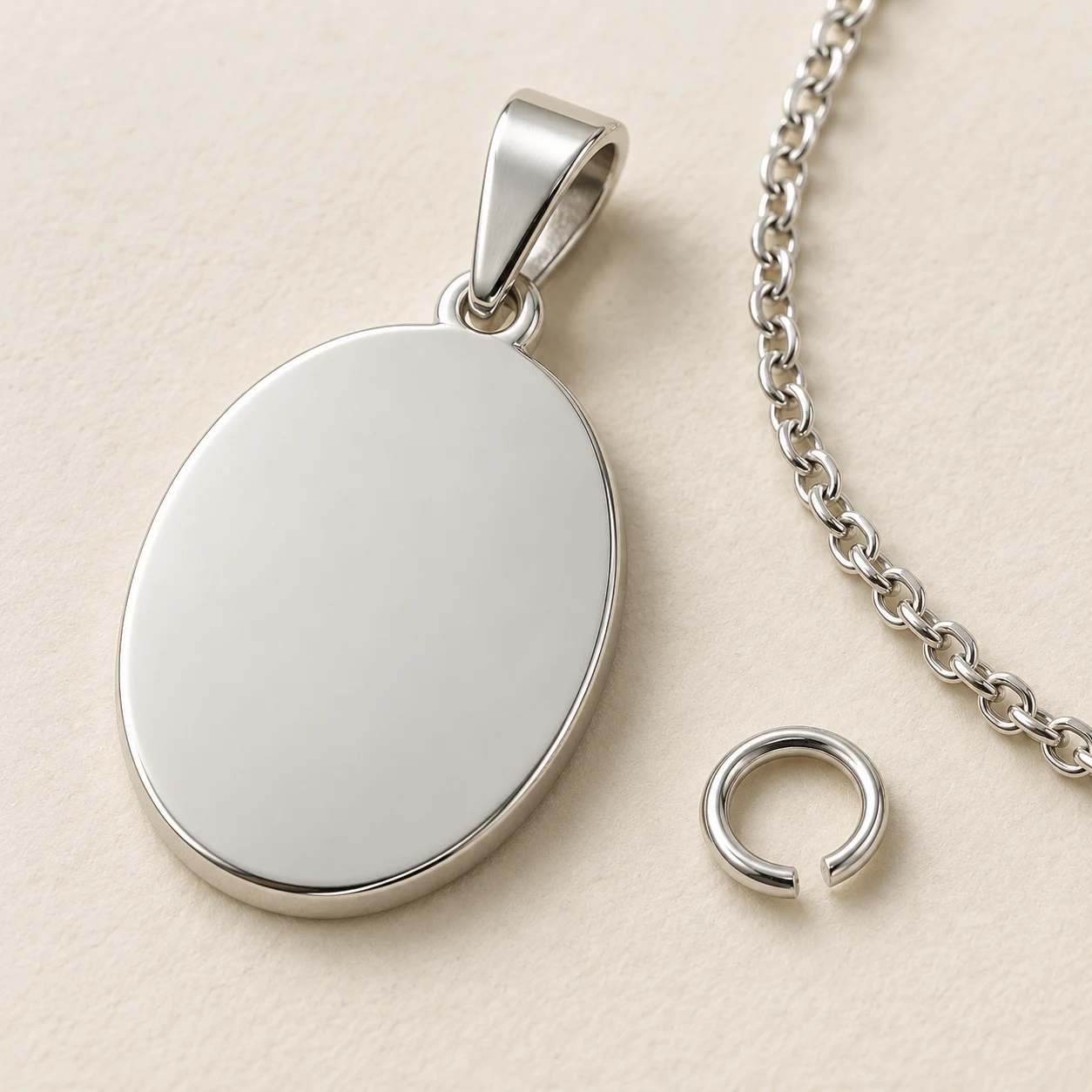
Identify proposed changes to size, color, finish, attachment, decorative detail or part combinations. Review the starting component and desired result together to confirm feasible modifications.
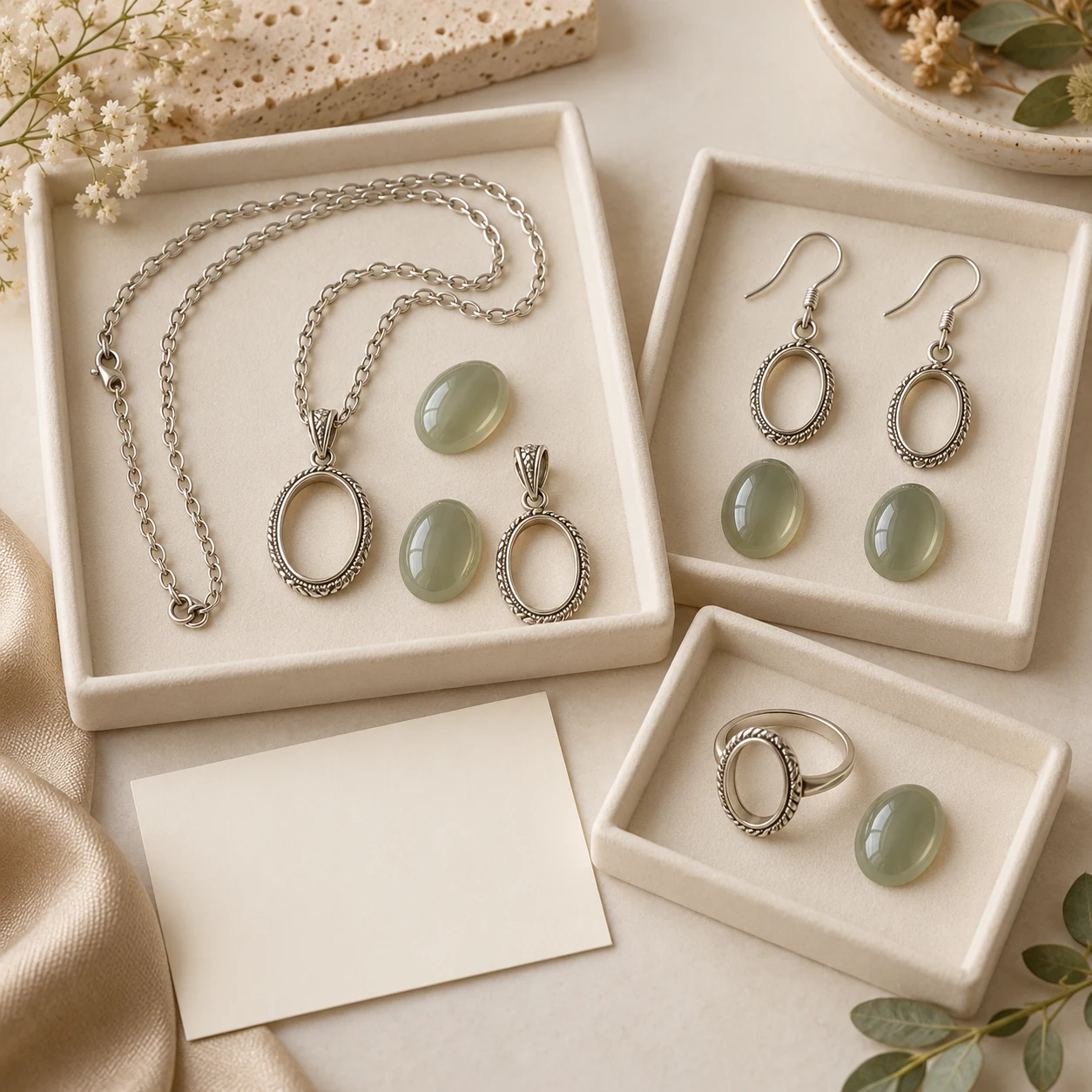
Collection-Level Adaptation
Identify shared color, finish, shape or attachment details across pieces. Provide references showing what must match and what may vary. Confirm matching options, repeat orders and production quantities.
Semi-Custom, Custom, Sourcing, or Assembly?
Choose a route based on your starting point and the work you need:
| Route | Best starting point | Buyer need | Information to prepare | Next step |
|---|---|---|---|---|
| Standard components | A known component | Purchase parts without a design change | Component type, specifications, and quantity | Review jewelry components wholesale |
| Semi-custom development | An existing style or reference | Assess a project-specific change or combination | Reference, desired changes, and intended use | Discuss the idea with sales |
| Custom development | A new design or substantially redesigned part | Develop a component to a design | Drawing, dimensions, material needs, and quantity | Explore custom jewelry component development |
| Assembly | A set of components | Put parts together into jewelry | Component list, layout, and assembly instructions | Review the jewelry assembly service |
| Multi-component sourcing | A list of standard parts from several categories | Coordinate component sourcing | Component list, quantities, and specifications | Discuss jewelry component sourcing |
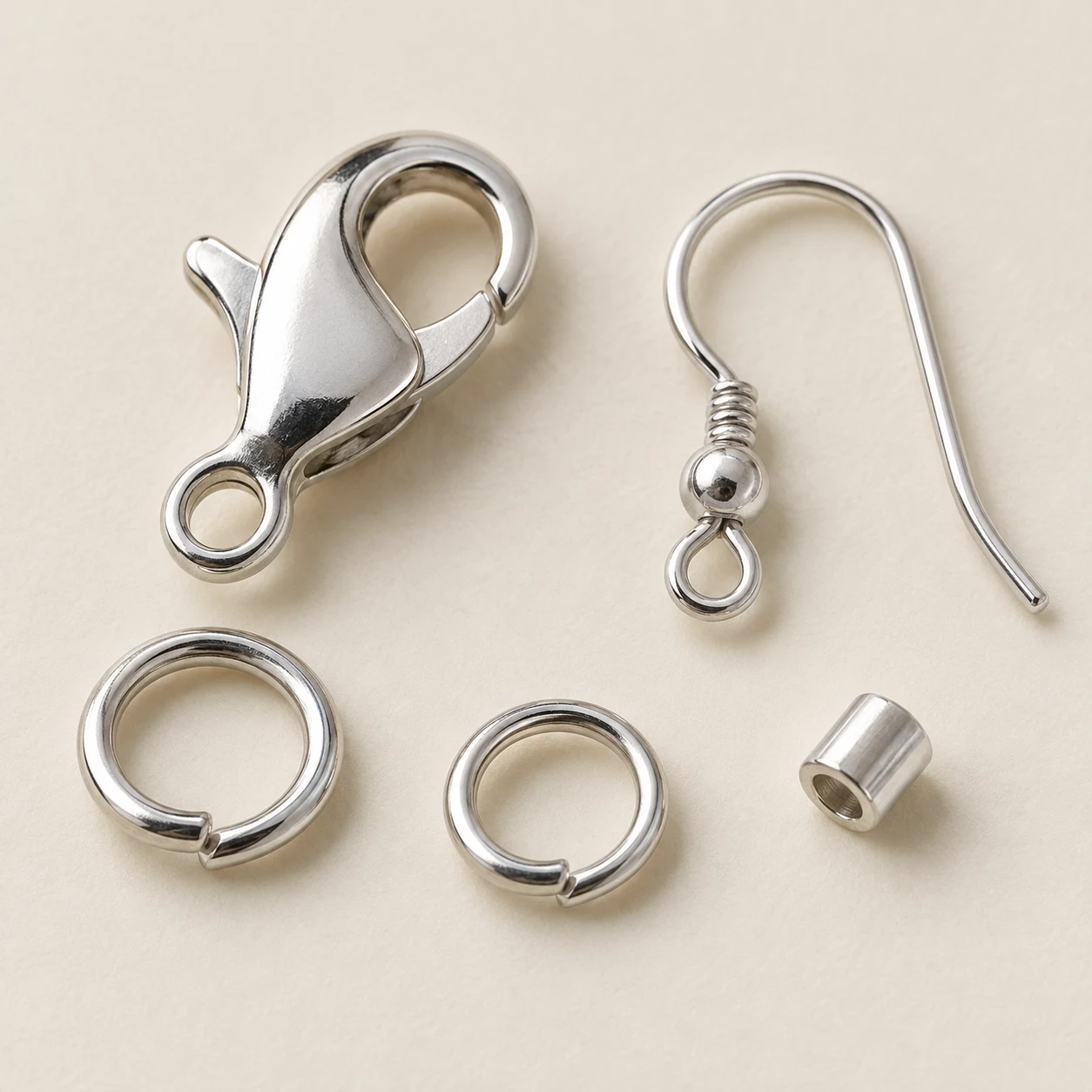
Use Standard Components When
Choose standard purchasing when the part, specifications and quantity are known and no design change is needed. Confirm exact product details and commercial terms.
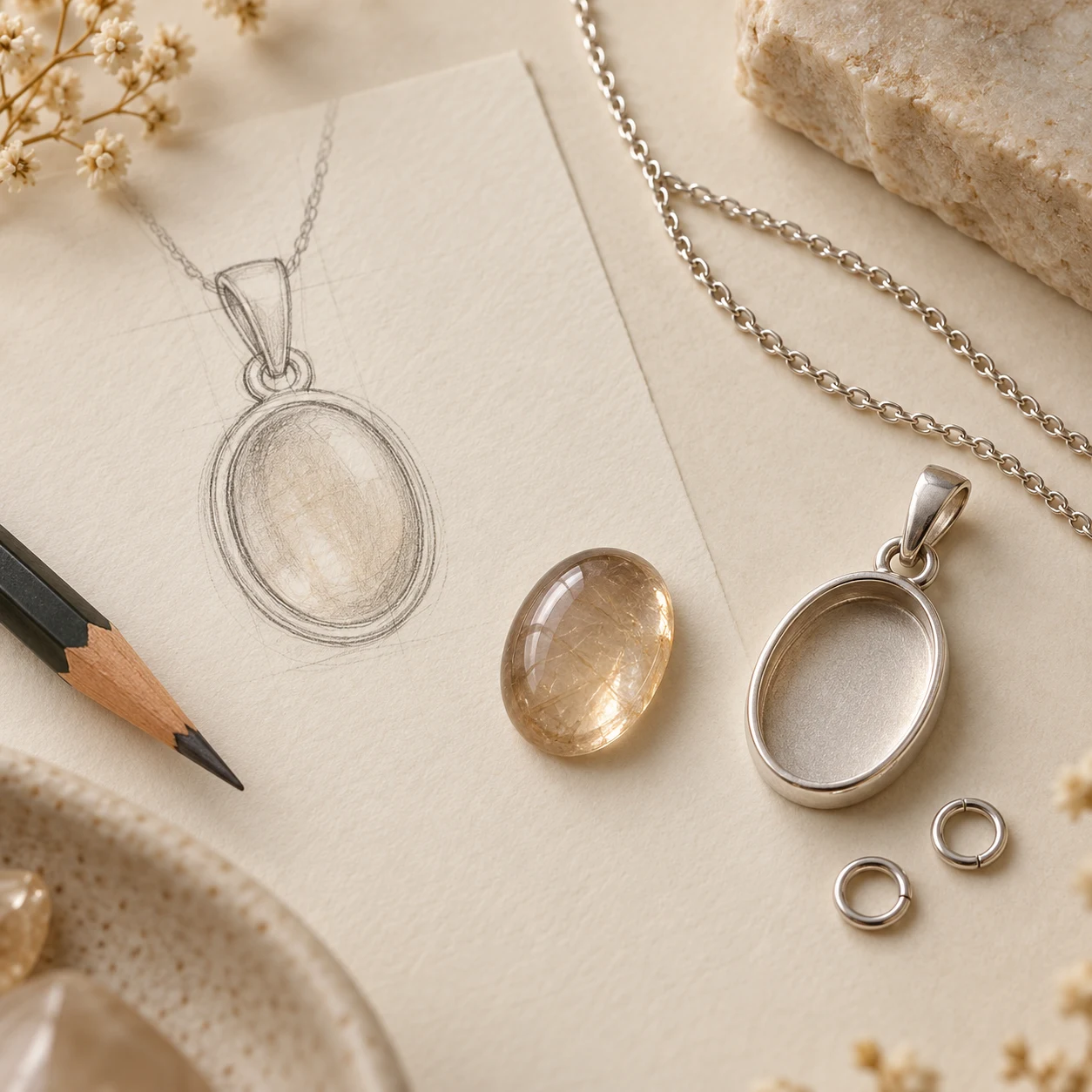
Use Semi-Custom Development When
Identify the existing reference and the difference between it and the intended result. Confirm feasibility and the available modification range.
Use Full Custom Development When
Consider custom development when a new design or unavailable component must be created. Share the design and confirm the development steps required.
What COAOCO Needs to Review the Idea
Show the existing reference, intended use, requested changes and details to retain. Add specifications and tolerances, quantities, packaging, market, timing and any assembly instructions. Confirm upload formats and limits, and arrange physical samples separately.
Reference Material and Design Intent
Use photos or sketches for the starting point and marked drawings for changes. State whether the reference defines the final appearance or only a direction. Include BOM names and quantities and confirm accepted files or physical samples.
Specifications That Affect Feasibility
Specify tolerances, attachment sizes and positions, adjoining connections and stone or bead shape and dimensions. Include materials, color, finish, artwork and assembly instructions; confirm available options for the project.
Project Review and Approval Points
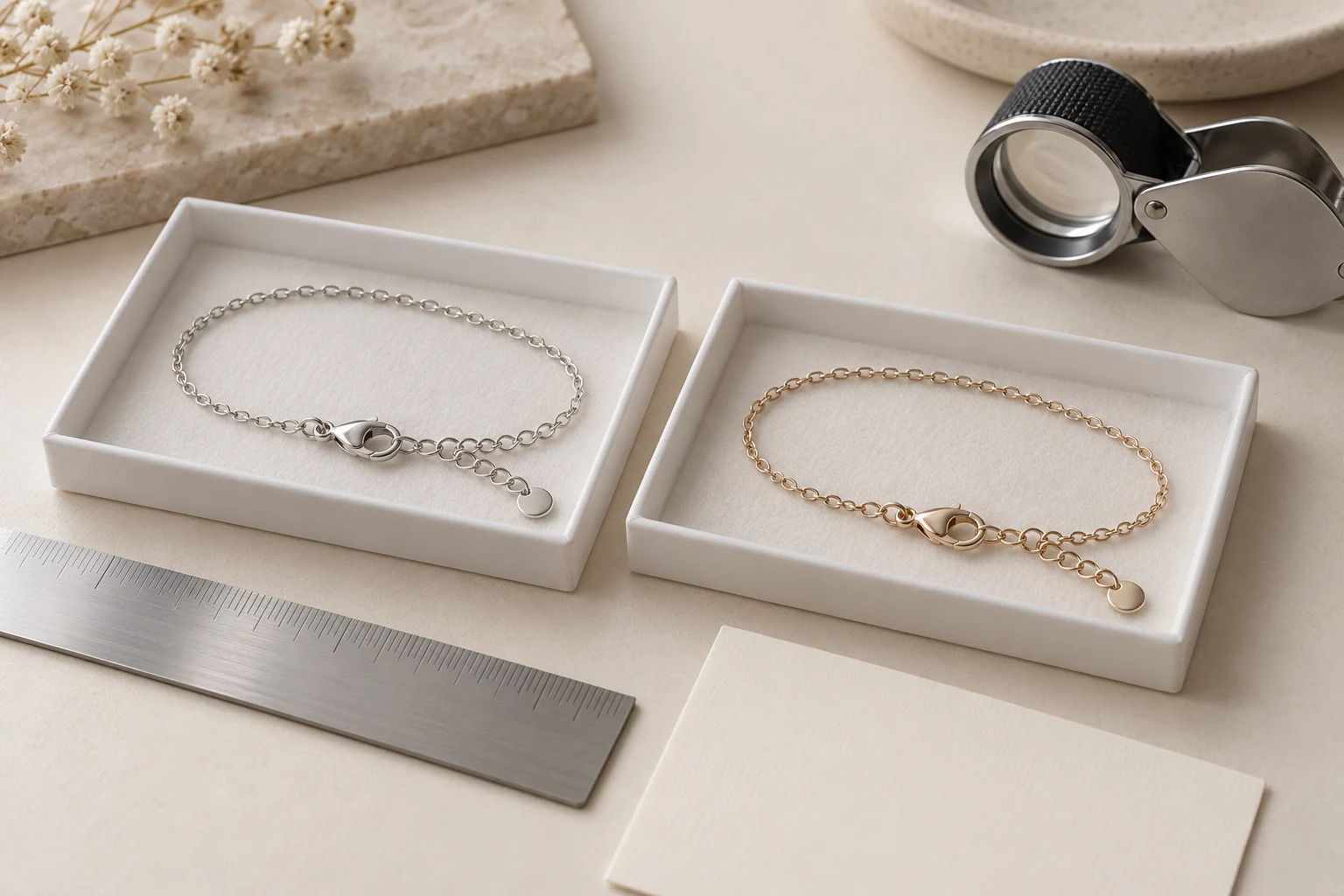
Review the brief and existing-part options. Agree on changes, sourcing, modification, assembly and inspection responsibilities. Confirm the sequence, samples, revisions, approval and production conditions before quotation.
Sample or Reference Approval
Confirm prototype or sample availability and scope, with references for appearance, dimensions and fit. Agree approval records and change handling, charges, timing and revision allowances.
Quality and Acceptance Requirements
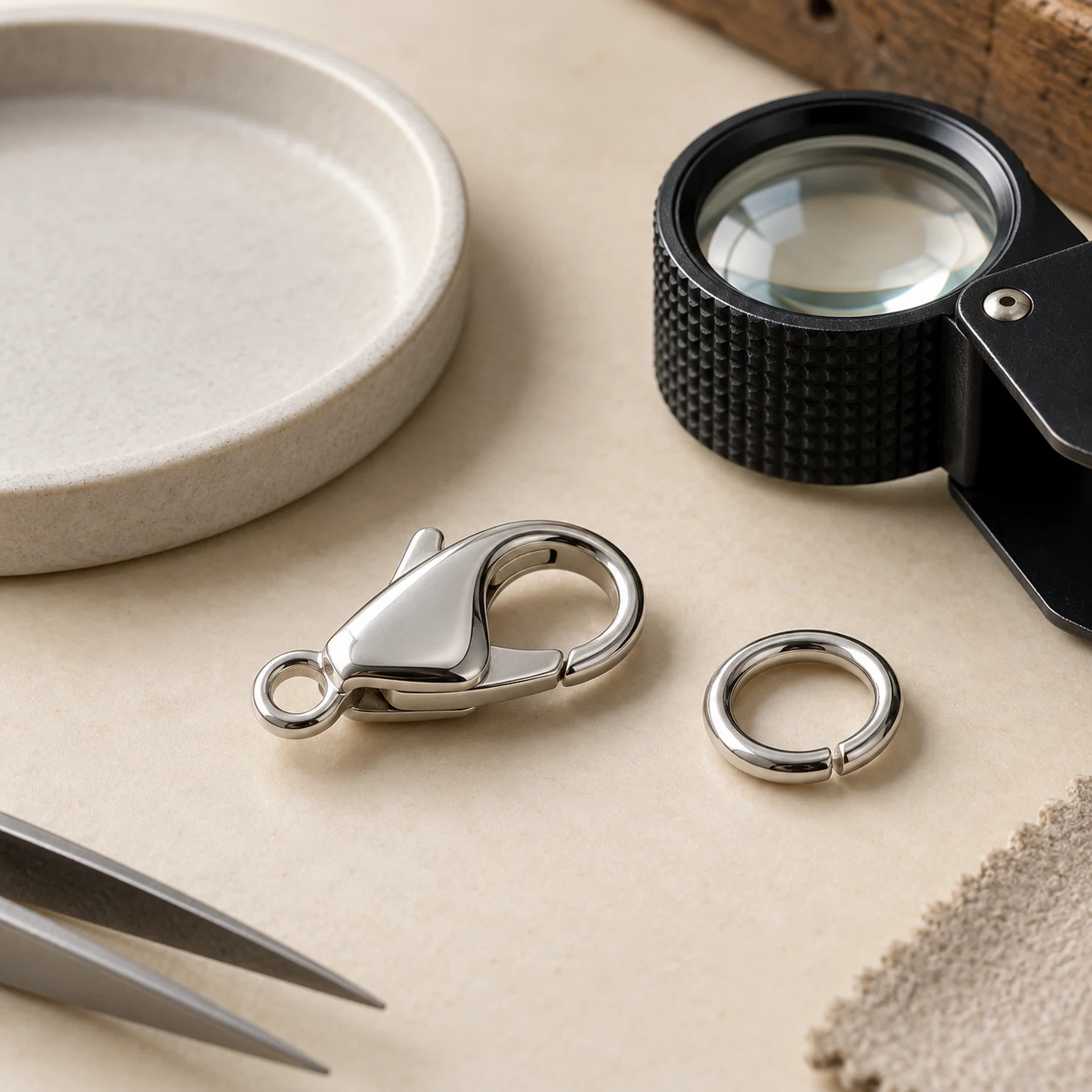
Define measurable dimensions, tolerances, component fit and appearance references. Agree the checker, method and handling of deviations against the project’s acceptance requirements.
Commercial Conditions to Confirm Before Proceeding
Confirm in writing:
- MOQ and quantities per component or design.
- Sample, development and tooling charges.
- Material and finish availability.
- Lead time, packaging, consolidation and shipping.
- Inspection responsibility and market evidence.
- Design, artwork and tooling ownership, confidentiality and change approval.
Agree who may receive confidential files before sharing them.
Request a Semi-Custom Project Review
Share the starting design, changes, specifications, quantities and timing. Discuss the service route, upload files or request a quote for defined requirements.