
SERVICES / MANUFACTURING & PROJECT SUPPORT
Jewelry Assembly Service for Component-Based Projects
Define how separate components should become a finished or semi-finished piece. Share the parts, connection instructions and acceptance criteria for an assembly review.
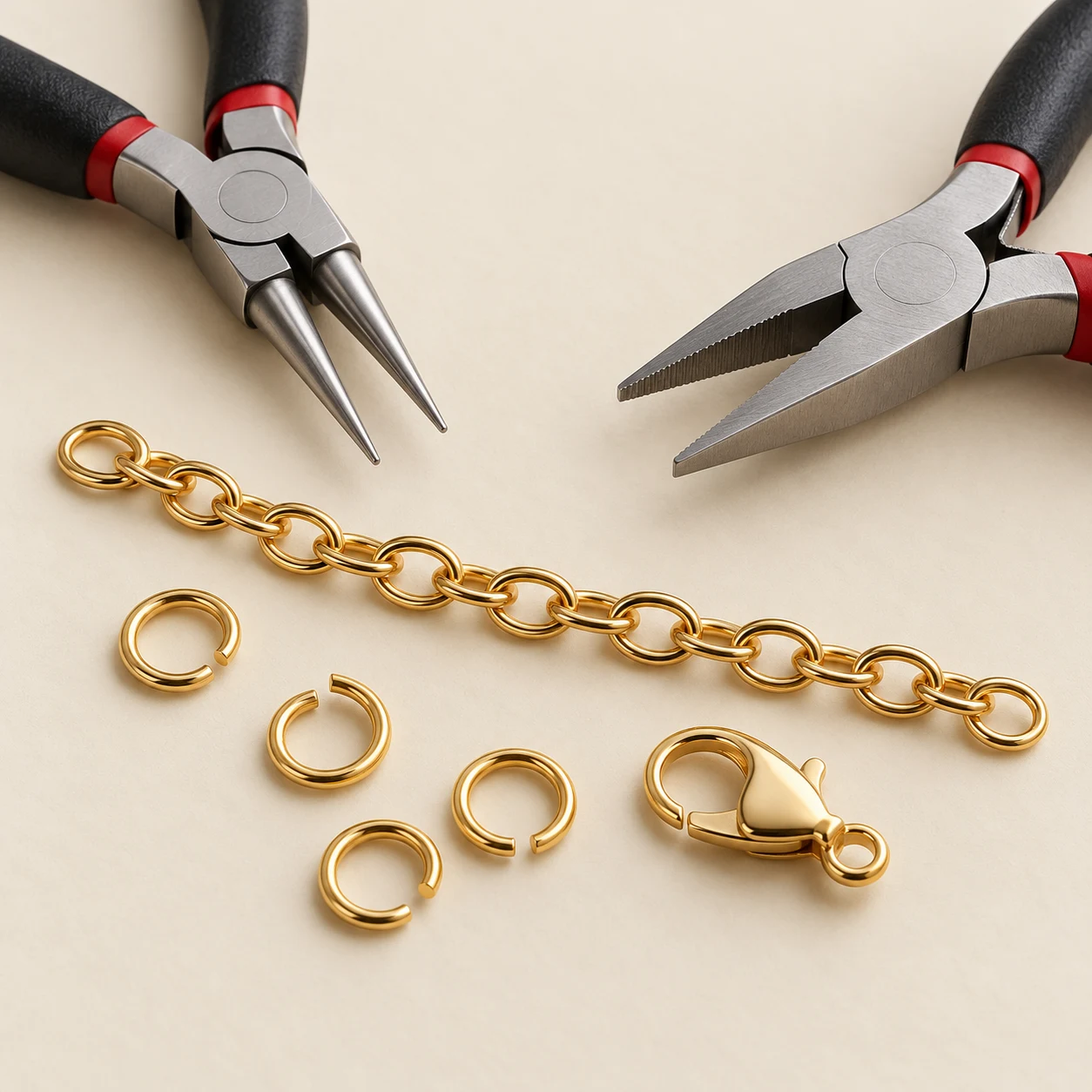
Jewelry Assembly for Component-Based Projects
Assembly joins components into finished or semi-finished jewelry. Suitability depends on design, parts, operations, quantities, acceptance criteria and commercial conditions.
Sourcing obtains parts; custom development creates or modifies them. Your project may need several services, with scope confirmed separately.
What an Assembly Project May Include
Start with measured references, a parts list and assembly instructions. Identify sourced or customer-supplied parts; confirm accepted parts and operations.
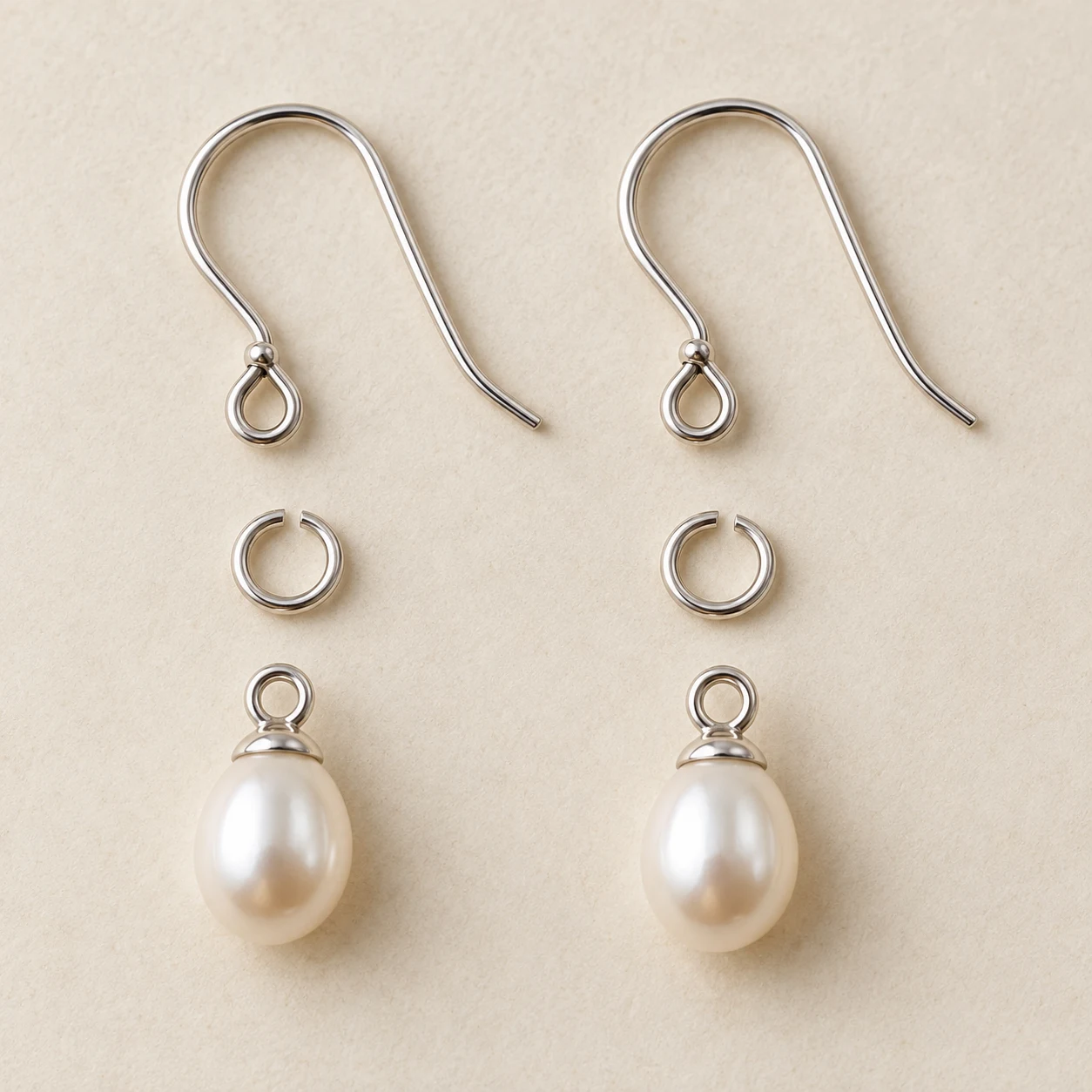
Necklace, Bracelet, and Earring Assembly Requests
Define the necklace, bracelet or earring output and its components, such as chain, closure, connectors and decoration. Submit the design so required connections and operations can be assessed and confirmed.

Assembly Using COAOCO Components
Discuss the component list alongside the finished-piece requirements. Plan related parts together and confirm both component supply and assembly scope.
Define the Required Assembly Scope Before Quoting
Specify parts and output, connection methods and sequence, references, quantities, variations, dimensions, tolerances, materials, finish, inspection, packaging, market and timing. Confirm operations, MOQ and available arrangements.
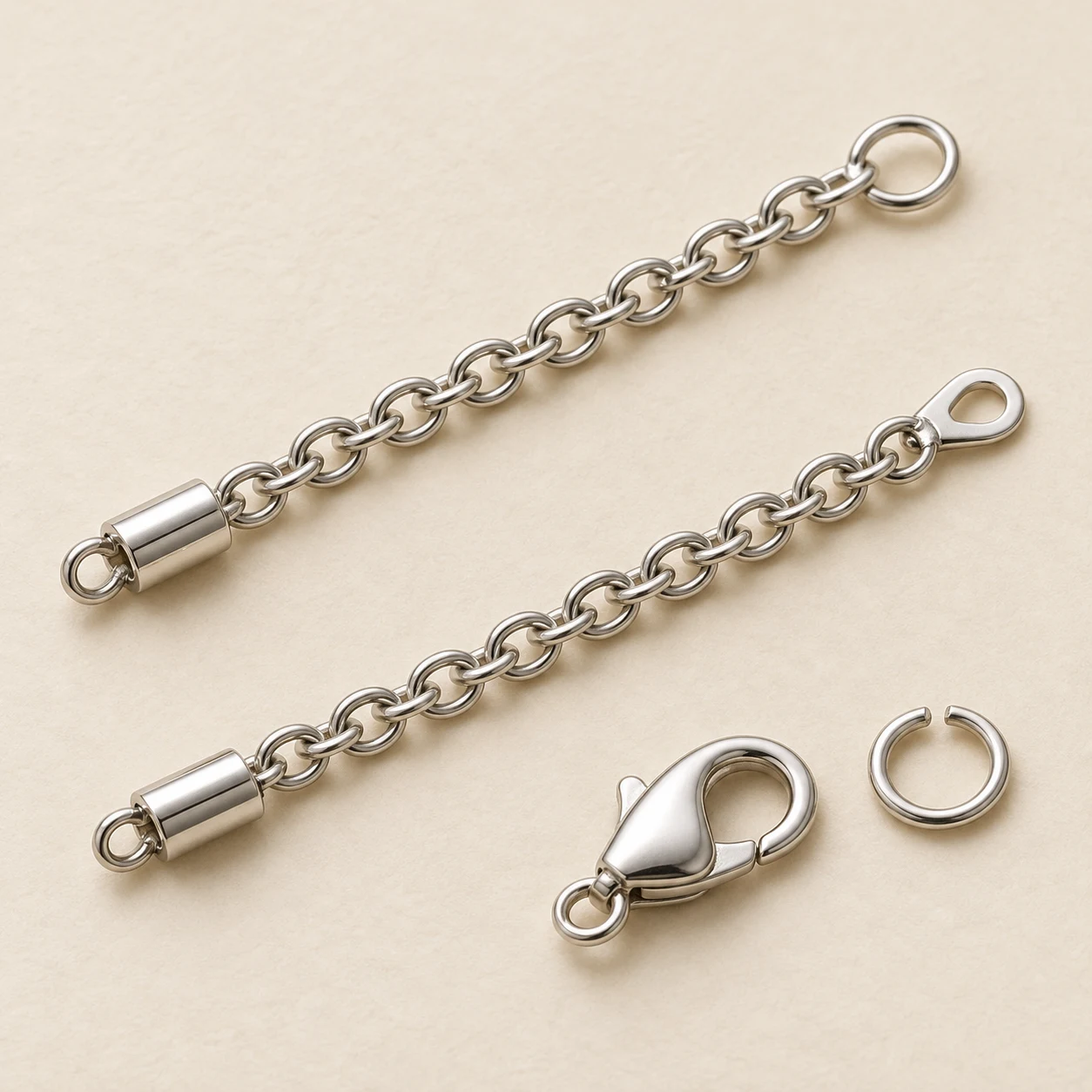
Components, Interfaces, and Assembly Instructions
Show every part and connection, including sizes, orientation, spacing and methods. Use a BOM, annotated drawing or clear images; confirm how physical reference samples should be shared.
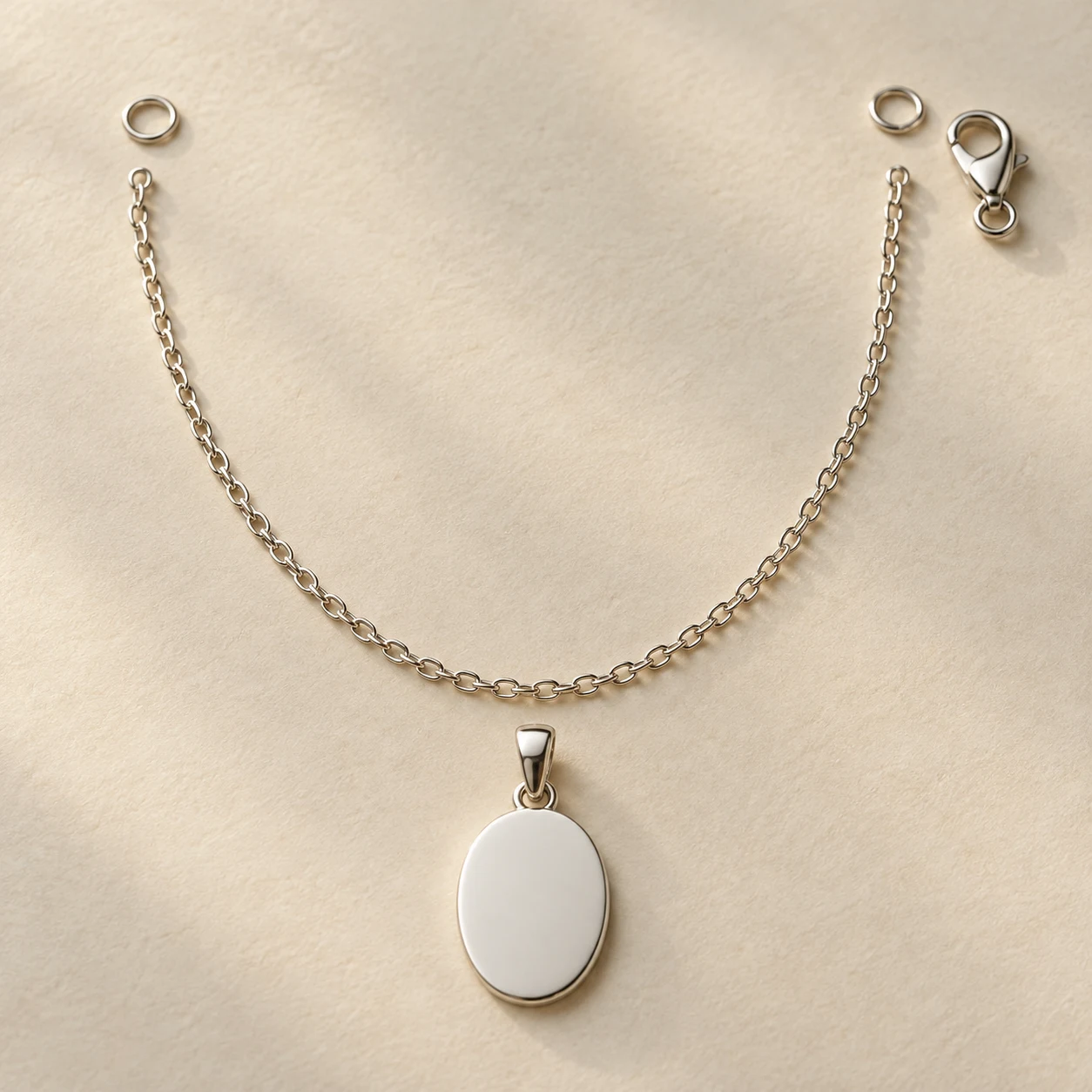
Finished or Semi-Finished Output
State whether you need assembled jewelry, semi-finished units, component sets or another output. Identify completed and remaining operations for semi-finished work, and confirm the supported scope.
Review, Samples, and Approval Points

Review requirements, component fit, operations and missing details. Use drawings or samples to agree on scope and acceptance criteria; confirm the review sequence for your project.

Sample Approval and Change Control
Agree what a sample represents: material, dimensions, appearance, placement, connections and variation. Confirm availability, cost, approval and revision procedures and modification limits. Keep acceptance-critical requirements in writing.
Inspection and Acceptance Requirements
Define finish, dimensional, matching, connection, orientation and packaging checks as relevant. State required records or third-party checks and responsibility for inspection and defects. Confirm methods, tools, reports and responsibilities.
When to Use Assembly, Sourcing, or Custom Development
| Your situation | Starting point | What to provide |
|---|---|---|
| You need parts to assemble yourself | Component purchasing | Part names, specifications, and quantities |
| You need several component categories coordinated | Jewelry component sourcing | A component list, quantities, and compatibility requirements |
| Your design and component structure are defined | Assembly discussion | BOM, drawings, connection instructions, and required output |
| A part needs to be made or modified to your design | Custom jewelry component development | Drawings or references, dimensions, materials, and intended use |
| You need broader product development support | OEM and ODM support | Product brief, development responsibilities, and commercial requirements |
Availability and responsibilities for each route require project-specific confirmation.
Assembly with Standard Components
Identify parts, finished appearance and connections, quantities by variation and who supplies components. Confirm part availability, stock and assembly capacity.
Assembly with Custom or Modified Components
Review development before assembly. Discuss design, samples, tooling, rights and commercial terms, with part-approval responsibility and the effect of changes on assembly.
What to Send for an Assembly Evaluation

Provide intended output, drawings and instructions, a BOM with connection dimensions, quantities and variants, materials and tolerances, acceptance checks, packaging, market and timing. Arrange physical samples before sending.
Confirm Your Assembly Requirements
Share design files, a parts list, instructions, quantities and acceptance criteria. Request a quote for defined scope or contact sales to choose a service route.