
RESOURCES / SOURCING & PROJECT SUPPORT
Jewelry Component Material Guide
Choose materials around function, fit, appearance and use. Define skin-contact and market requirements, then confirm the available options and supporting evidence for your project.
In this guide
How to Choose a Material for a Jewelry Component
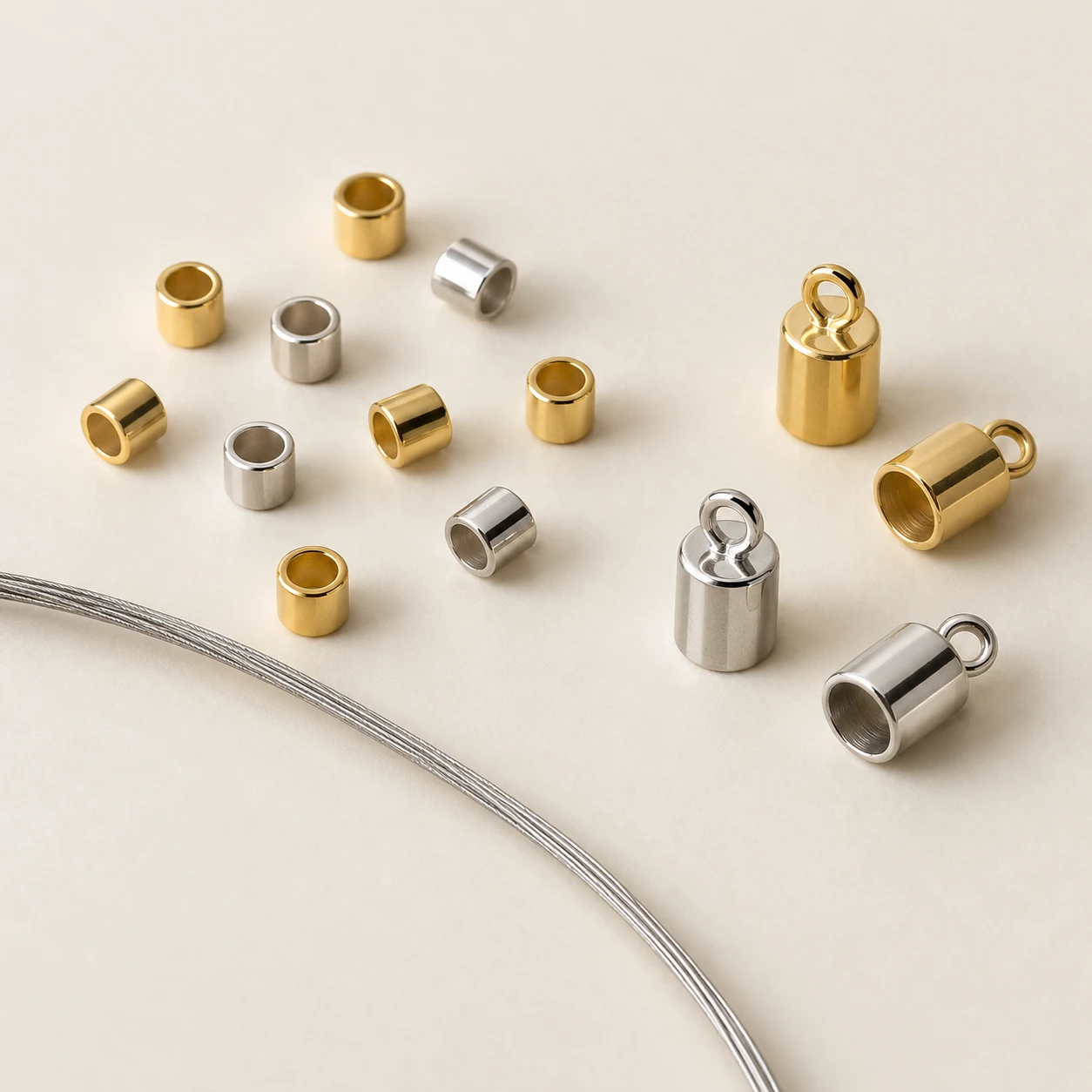
Start with function, appearance, cost, wear and skin contact. Decide which evidence or samples you need for approval, then identify the relevant component categories.
Start With the Component's Function
Assess structural parts for intended use; connectors for fit and movement; decorative parts for appearance and weight; settings for stone fit; and finished-piece components for the complete design and skin contact.
Separate General Material Guidance From Verified Availability
Confirm which materials and finishes can be supplied for the specific component, quantity and use.
Material Questions for Different Jewelry Component Types
Define base material, surface and connections for every part. Add shape, dimensions and holes for decorative elements; for necklaces and bracelets, consider combined length, fit and appearance.
Findings, Chains, and Clasps
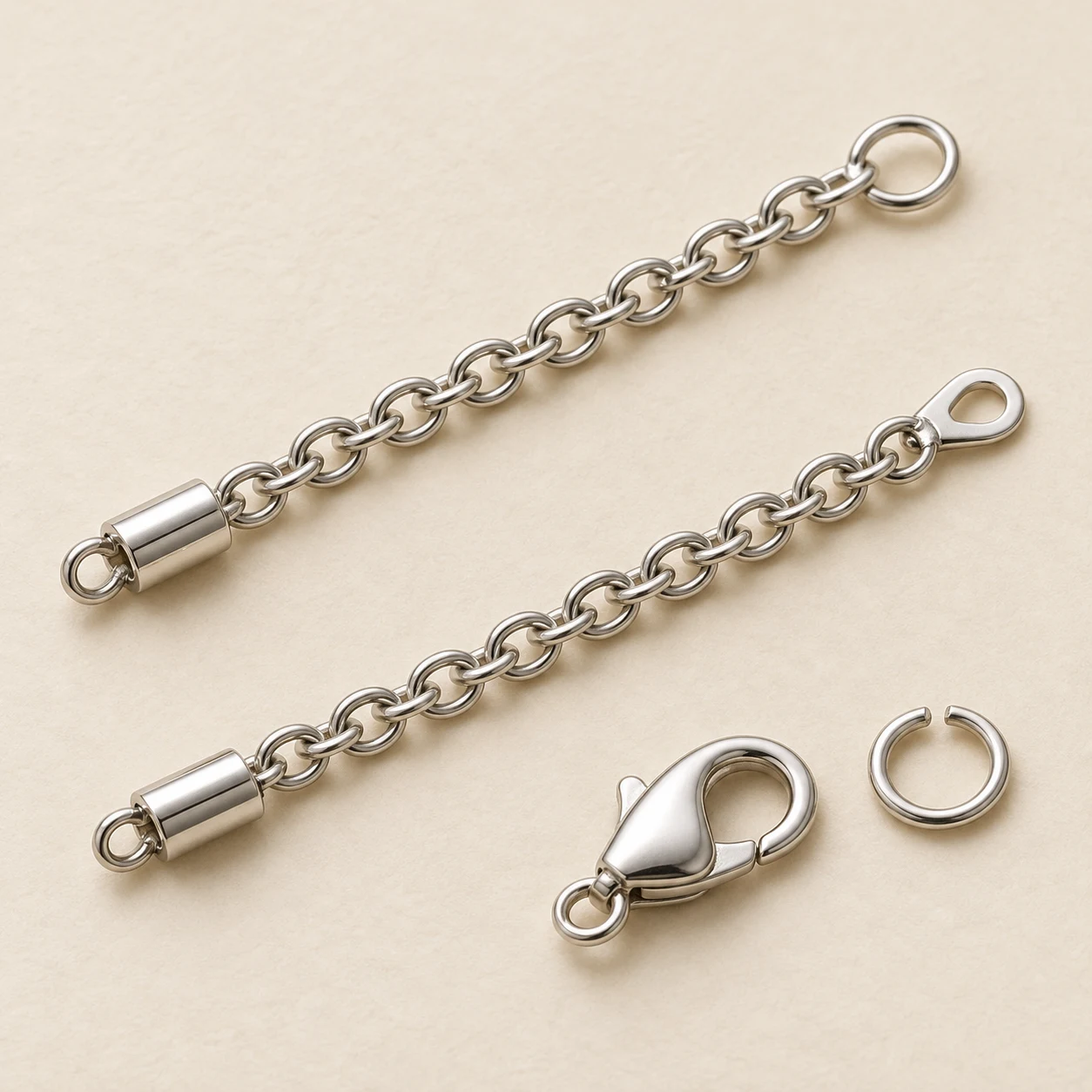
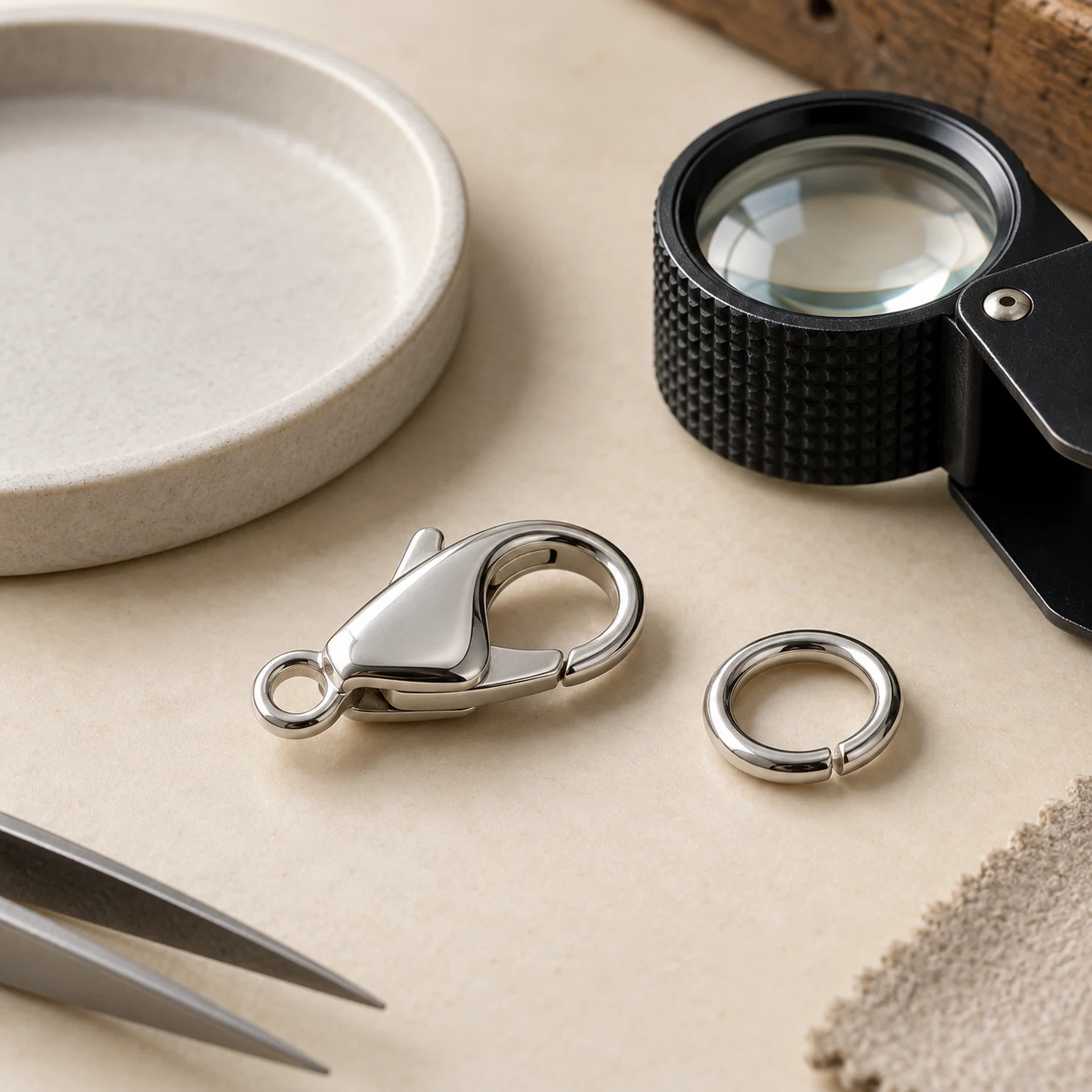
Specify base material, finish, dimensions and attachment points. Check movement and clasp operation with the actual connected parts. Define any performance requirements and request supporting evidence; do not assume a rating.
Earring Components and Skin-Contact Parts
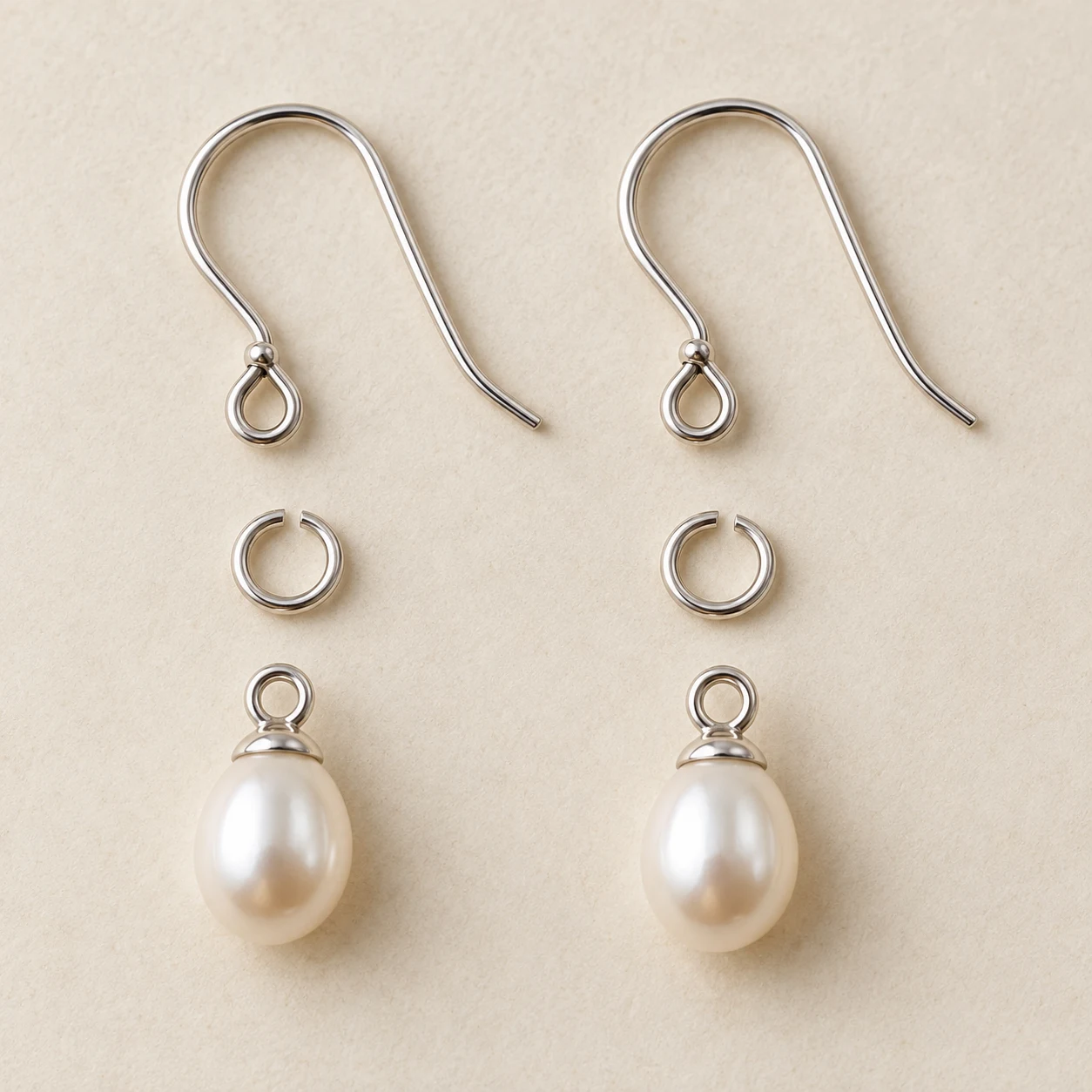
Identify posts, hooks and other skin-contact surfaces. Request material and finish details and relevant market declarations or tests for the specific component. Appearance alone establishes neither composition nor compliance.
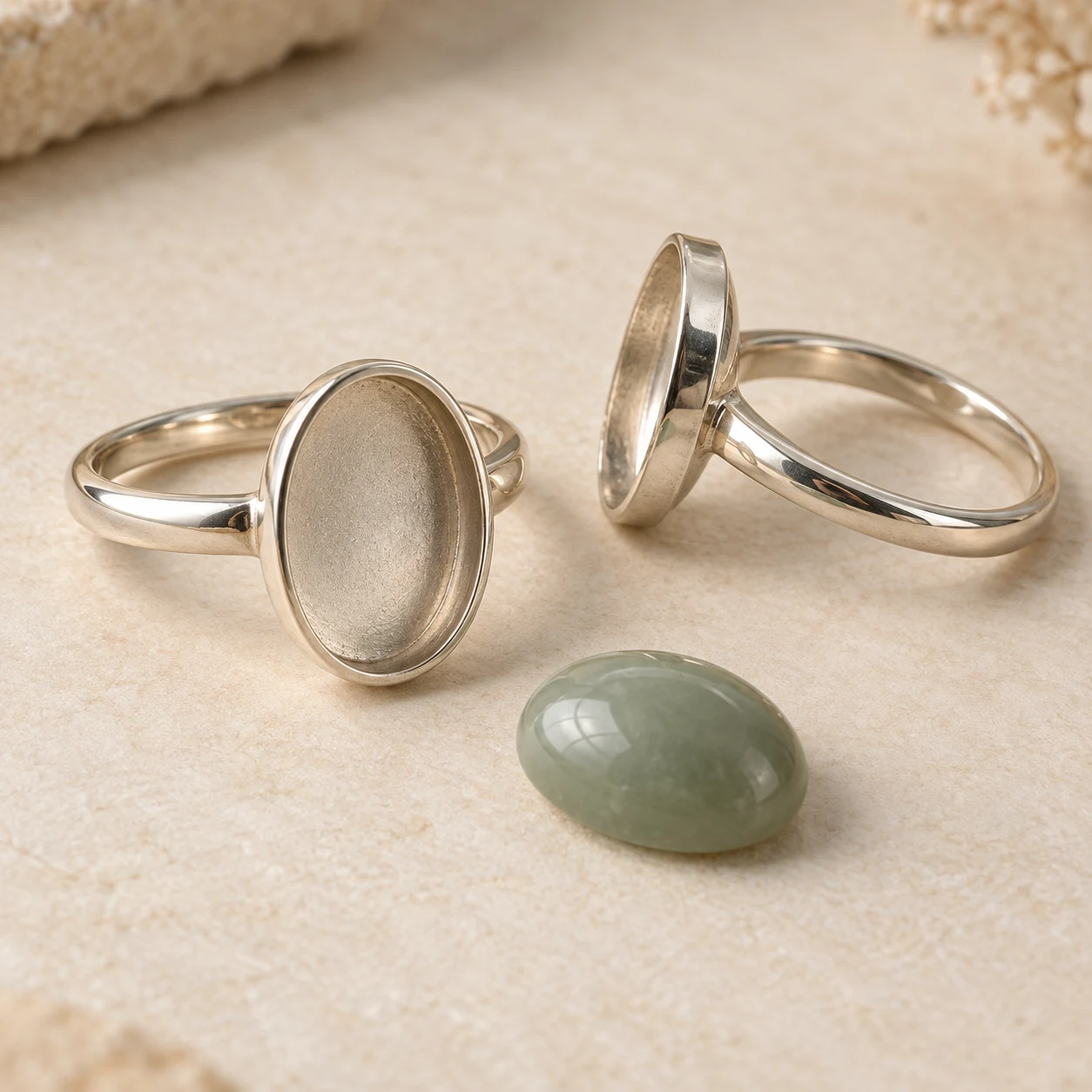
Settings, Rings, and Stone-Related Components
Show stone and component dimensions, shape, seating and retention method. Agree on critical tolerances and verify fit and availability for the actual combination.
Comparing Material, Color, and Finish Requirements
Compare options using consistent criteria and item-specific evidence. Confirm information availability.
| Selection factor | Buyer question | Evidence or information to request |
|---|---|---|
| Function and use | What must the part do, and how will it be worn? | A description of the component and intended use |
| Appearance | Does the color and surface match the design? | A reference image, color reference, or physical sample |
| Material and finish | What are the base material and surface finish? | A material description and finish identification |
| Dimensions and fit | Will it connect or fit as intended? | Dimensions, relevant tolerances, and a fit check where needed |
| Skin contact | Does the part touch skin, and what requirements apply? | Relevant declarations or test information, if applicable |
| Compatibility | How will it look and work with other parts? | Component measurements and coordinated appearance references |
| Cost | Does the option fit the target cost? | A project-specific quote |
| Approval and packing | How will the option be approved and packed? | Agreed acceptance criteria and packing details, if needed |
Appearance and Color Matching
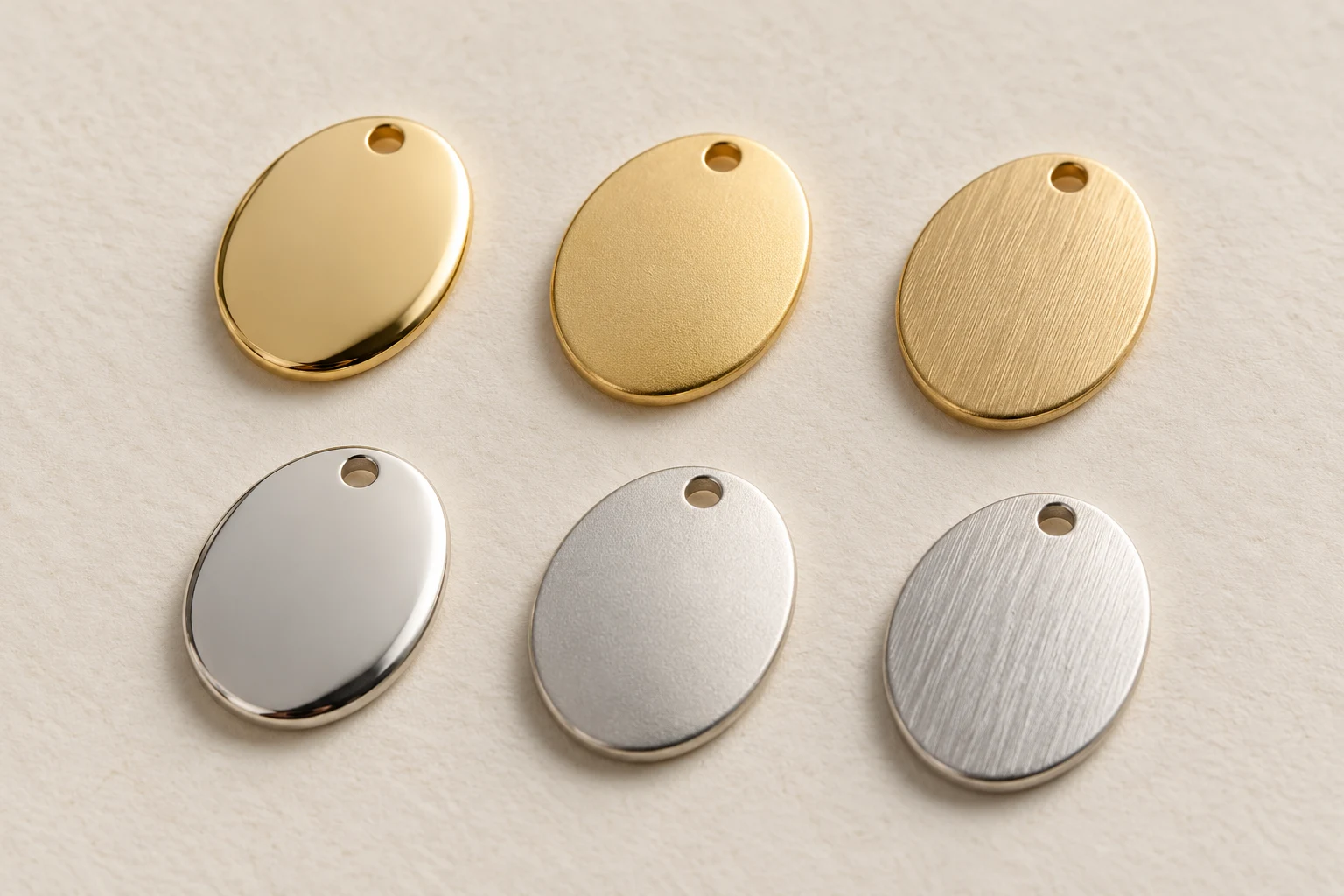
Provide an image, physical sample or color standard and describe gloss, texture and finish. Identify matching parts and their references. Because screens vary, agree the approval reference and acceptable variation, and confirm that the appearance can be supplied.
Surface and Finish Questions
Define the visual finish separately from any plating or coating requirements. Confirm the available process, order description, inspection criteria and acceptable variation. State durability, testing and evidence requirements separately.
Compatibility Across a Jewelry Set
List parts used together and identify matching surfaces and connection dimensions. The same color description can look different across parts. Agree how appearance and fit will be checked before approval.
Evidence to Request Before Approving a Material
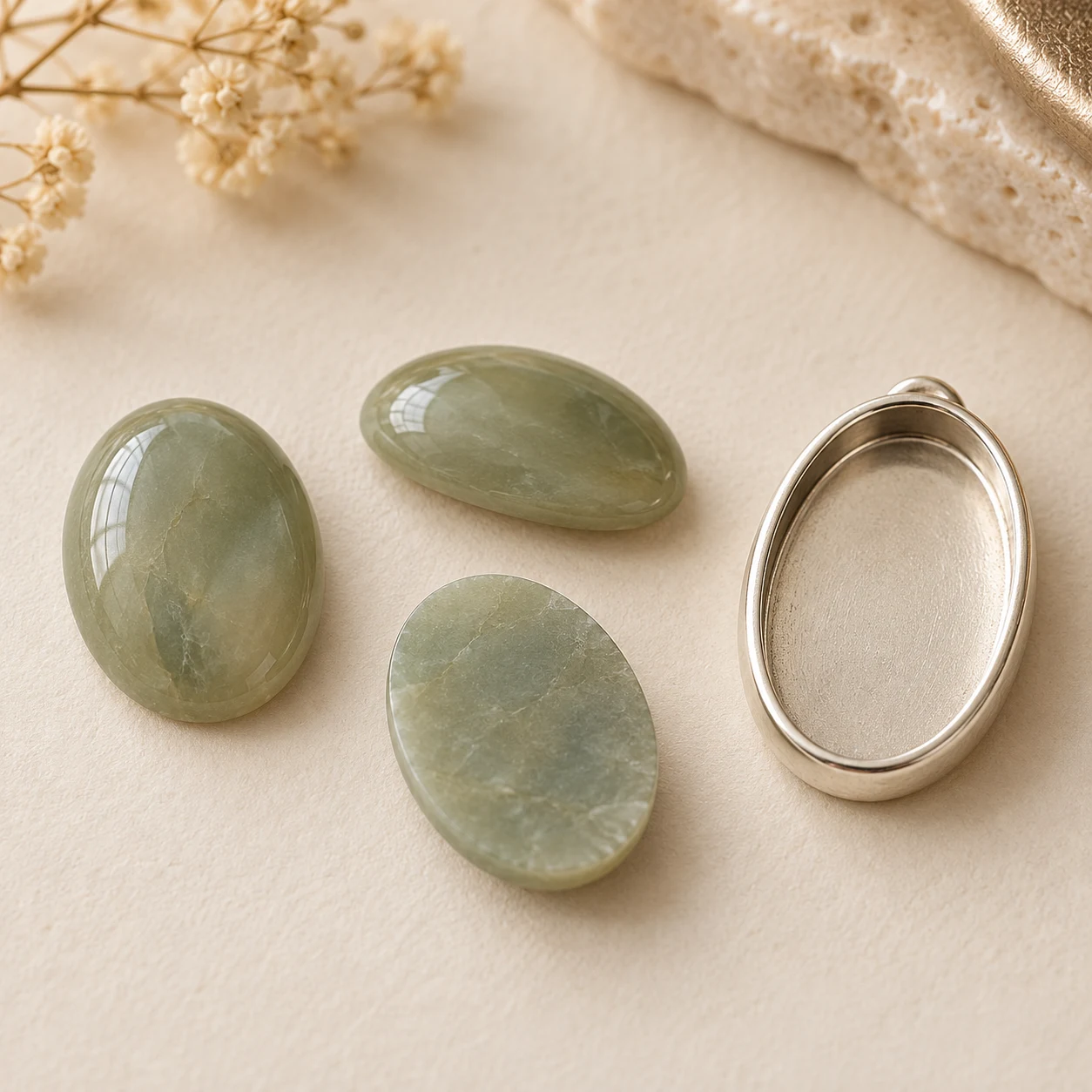
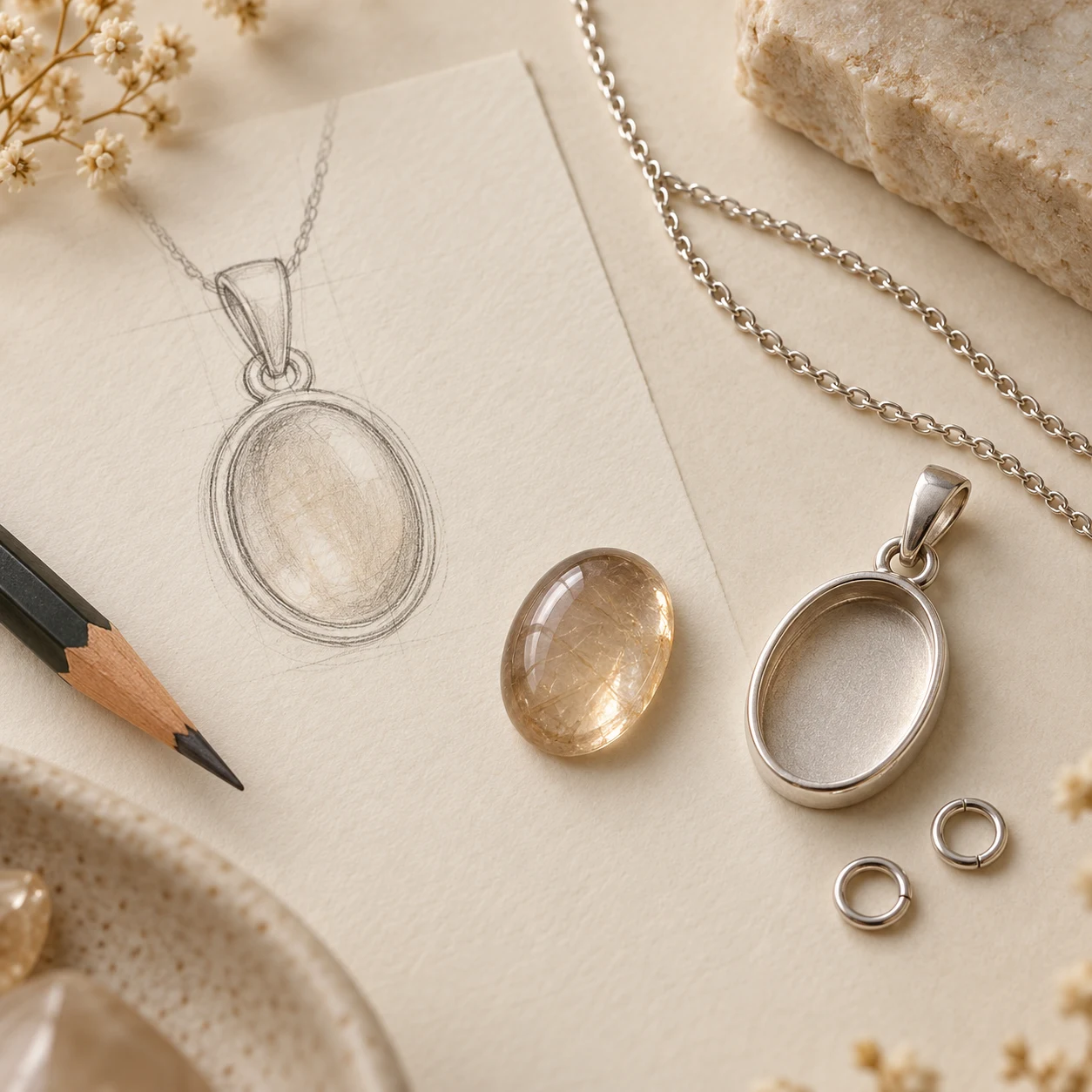
Request material identity and composition, finish reference, dimensions and tolerances, suitable approval samples, relevant treatment disclosures and skin-contact or compliance evidence. Agree on acceptance criteria and confirm which records are available for the order.
Samples, Reference Images, and Approval Records
Images communicate appearance; physical samples can help assess appearance and fit. Confirm sample availability, scope and terms, or arrangements for sending a comparison sample. Record the approved reference, applicable part and permitted variation.
Testing, Compliance, and Traceability Questions
Identify market, product and material requirements, then request applicable tests, declarations or certifications covering the proposed items. Ask about treatment, origin or traceability where relevant. Confirm which evidence is available for the material and order.
Prepare a Material Request for COAOCO
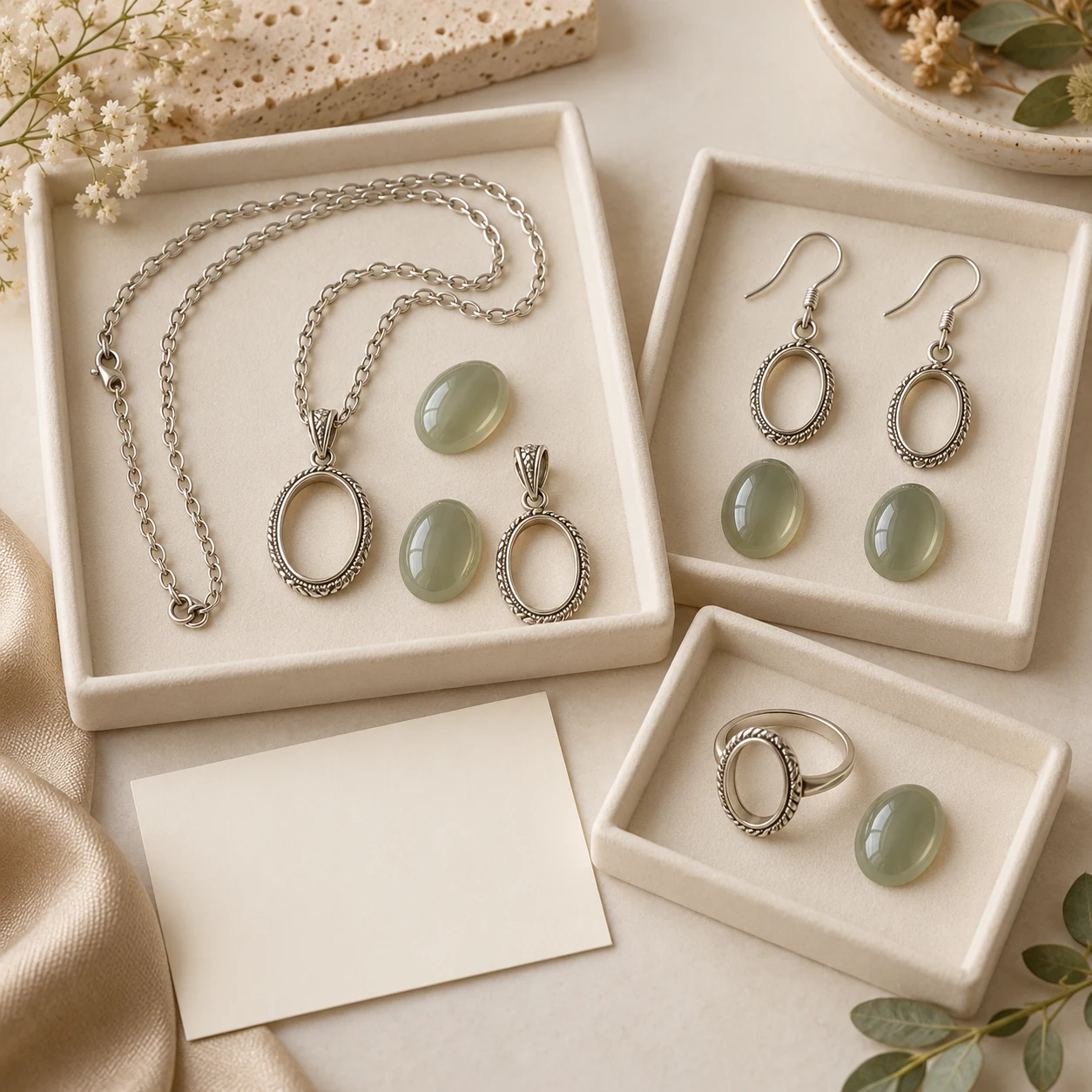
Provide component use, appearance reference, preferred materials and alternatives, dimensions and adjoining parts, quantities, cost, market, timing, skin-contact or testing needs, samples, acceptance and packaging. Add drawings or a BOM; confirm submission arrangements.
When a Product Request Becomes a Custom Development Project
A changed shape, modified connection or drawing-based part may require custom development. Identify essential features and requested changes, then confirm feasibility, materials, samples, costs and timing.
Choose the Next Step for Your Project
Request a quote for defined material requirements, upload design files or discuss open options with sales. Arrange physical-sample submission separately.