
RESOURCES / SOURCING & PROJECT SUPPORT
Jewelry Findings Buying Guide
Choose findings by function, fit and connection method. Build a component list with the material, dimensions and acceptance details needed for a useful inquiry.
In this guide
- What Jewelry Findings Are and Where They Fit
- Start with the Jewelry Structure You Need to Build
- Select Findings by Function, Not Appearance Alone
- Check Compatibility Before Comparing Options
- Define Material, Color, and Finish Requirements
- Specify the Details a Supplier Needs to Quote
- Choose the Right Purchasing Route
- Common Findings Selection Risks to Resolve Early
- Turn Your Findings List into a Quote Request
What Jewelry Findings Are and Where They Fit
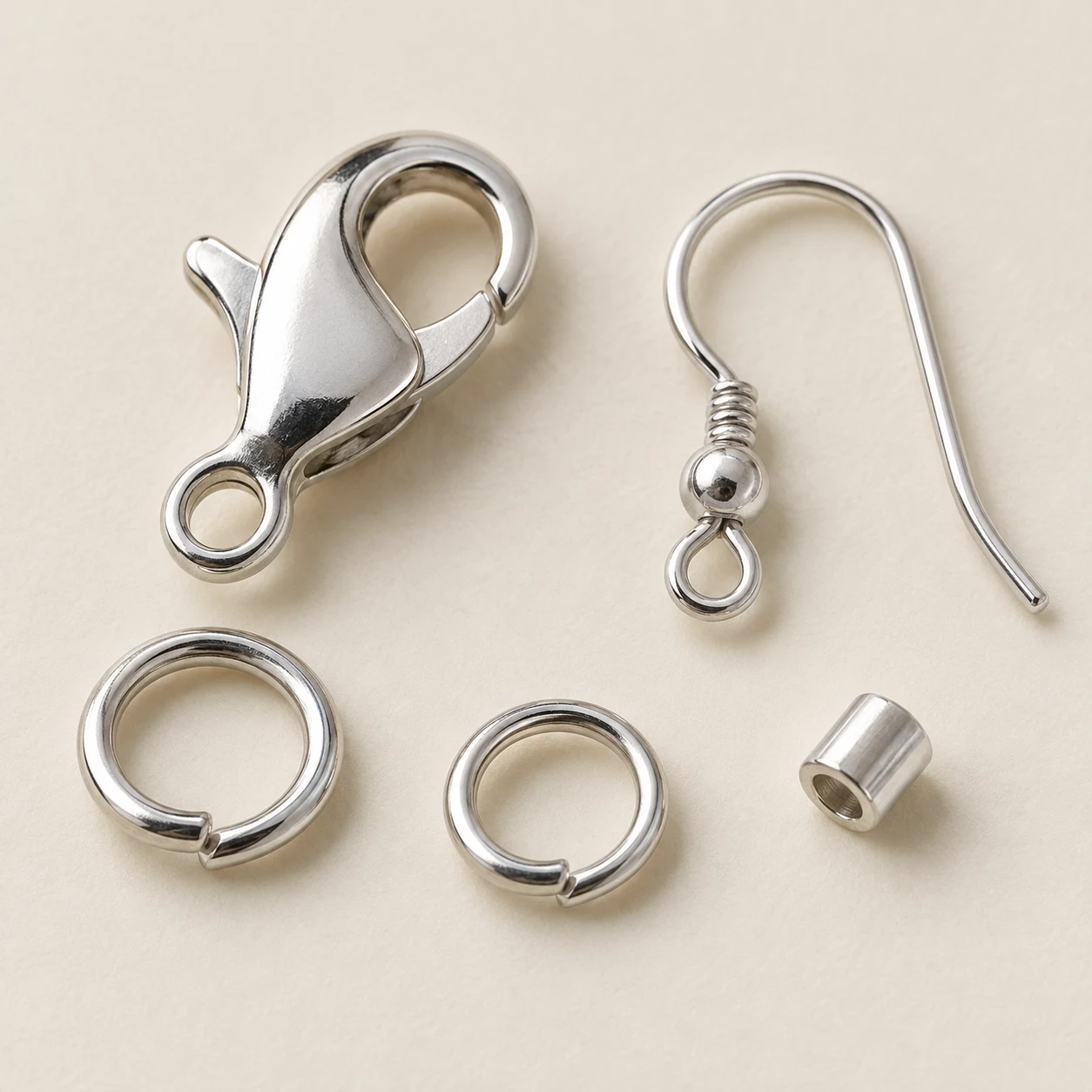
Findings connect, fasten, support and assemble jewelry. They include rings, clasps, stone settings and decorative attachments, and may serve several functions. Use the glossary and a reference image where terminology differs between buyers and suppliers.
Start with the Jewelry Structure You Need to Build
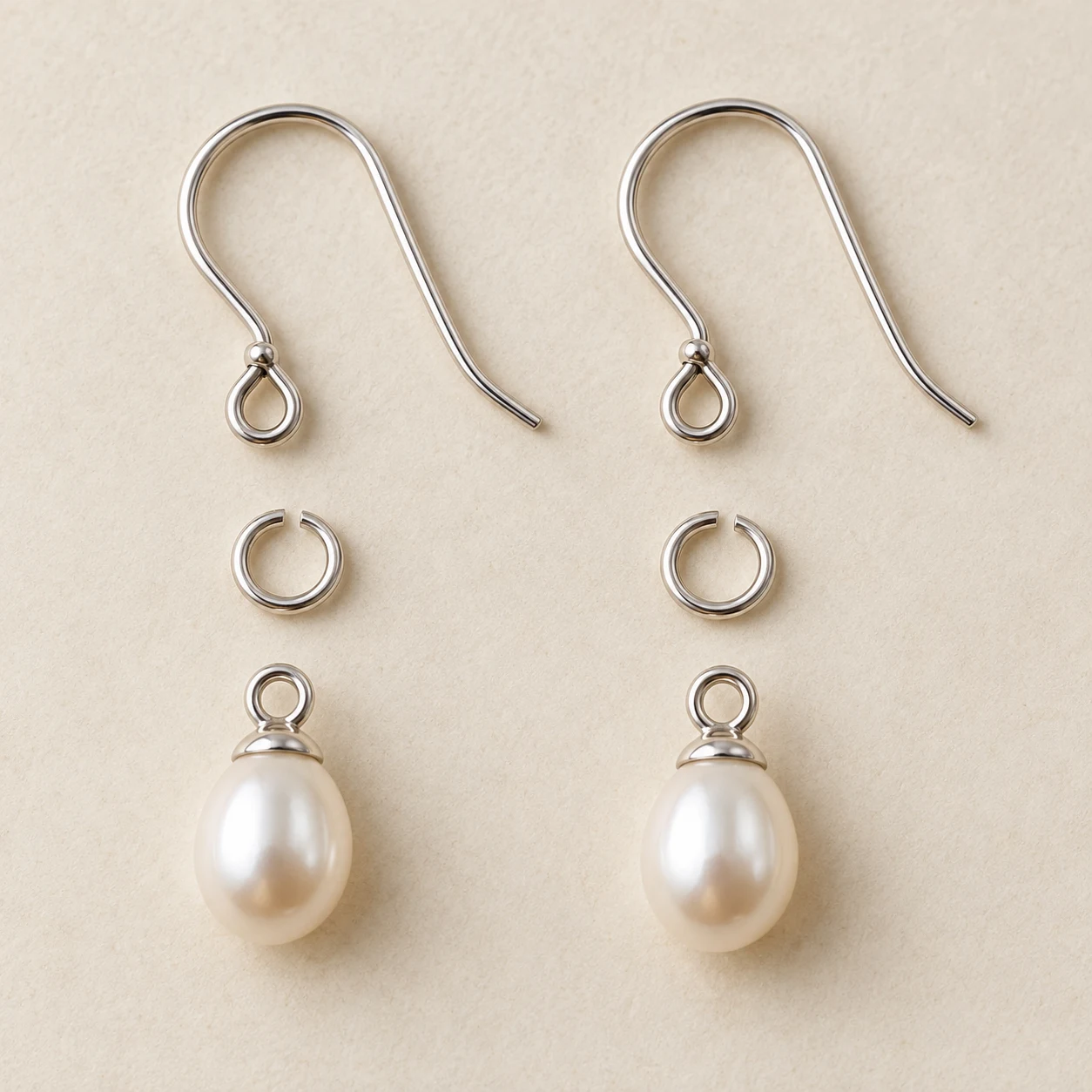
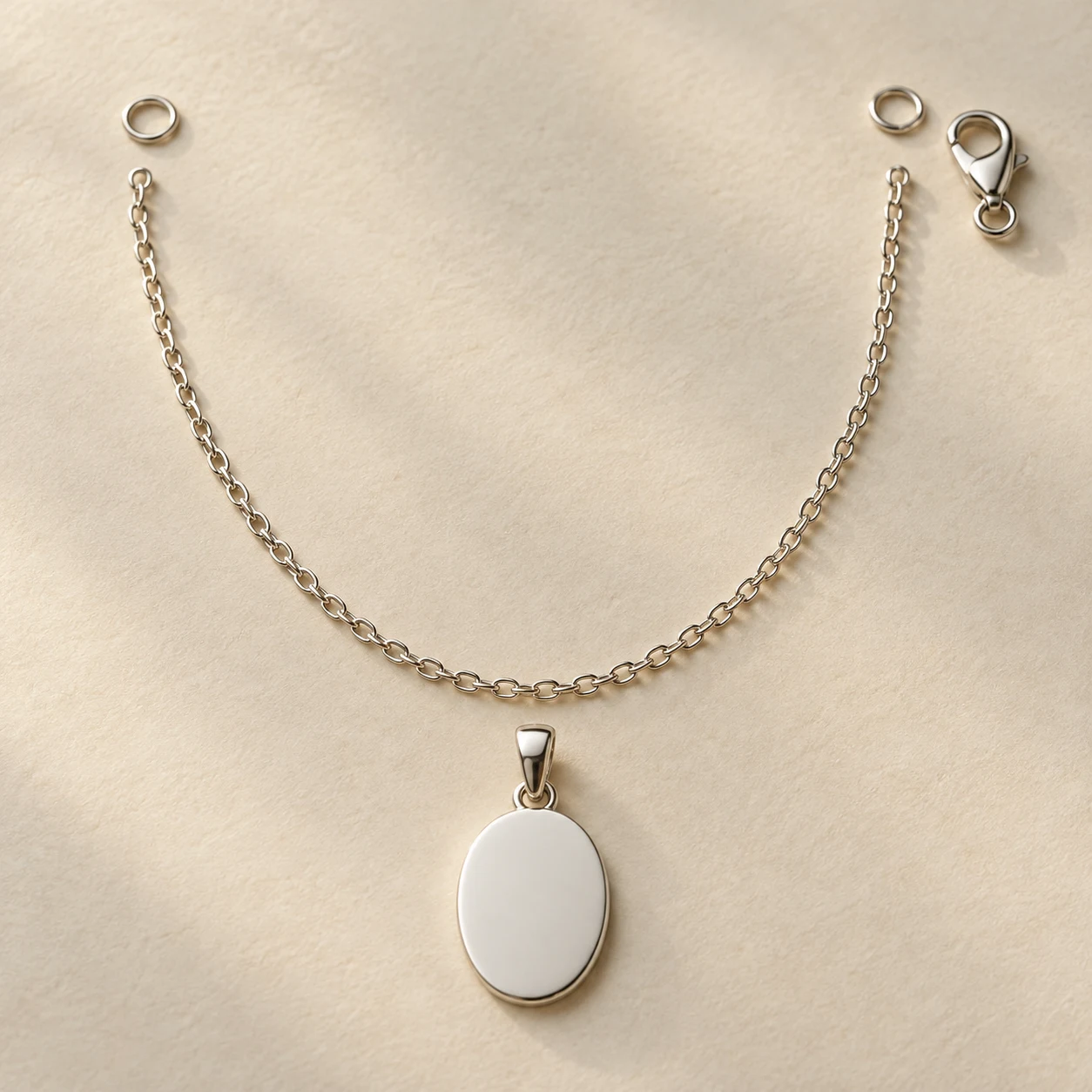
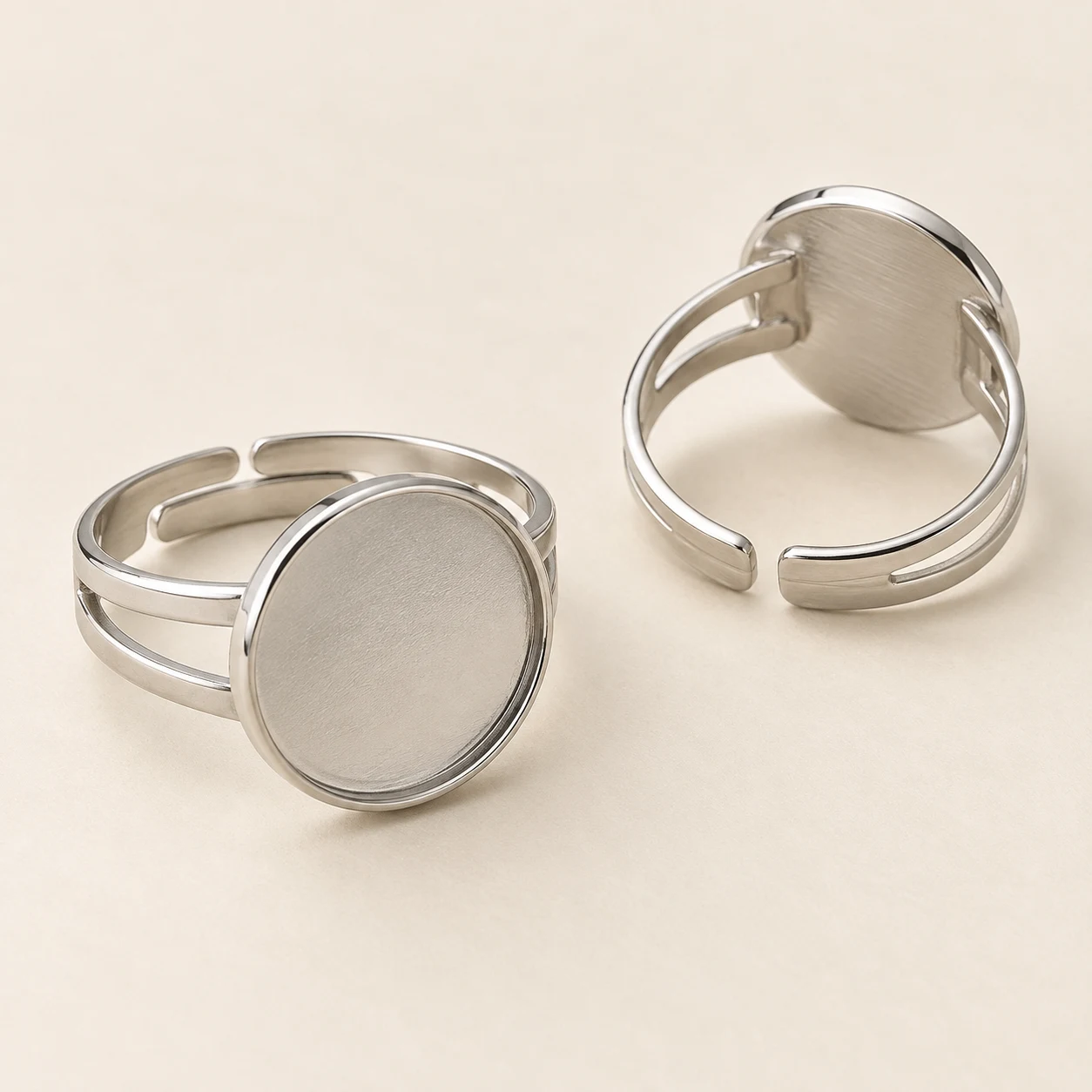
Map connections, movement, closures, decoration and assembly sequence. Check whether parts can be attached at the required stage. For replacements, verify existing interfaces; for sets, define every connection and whether supply is loose or assembled.
Earrings, Necklaces, Bracelets, and Rings
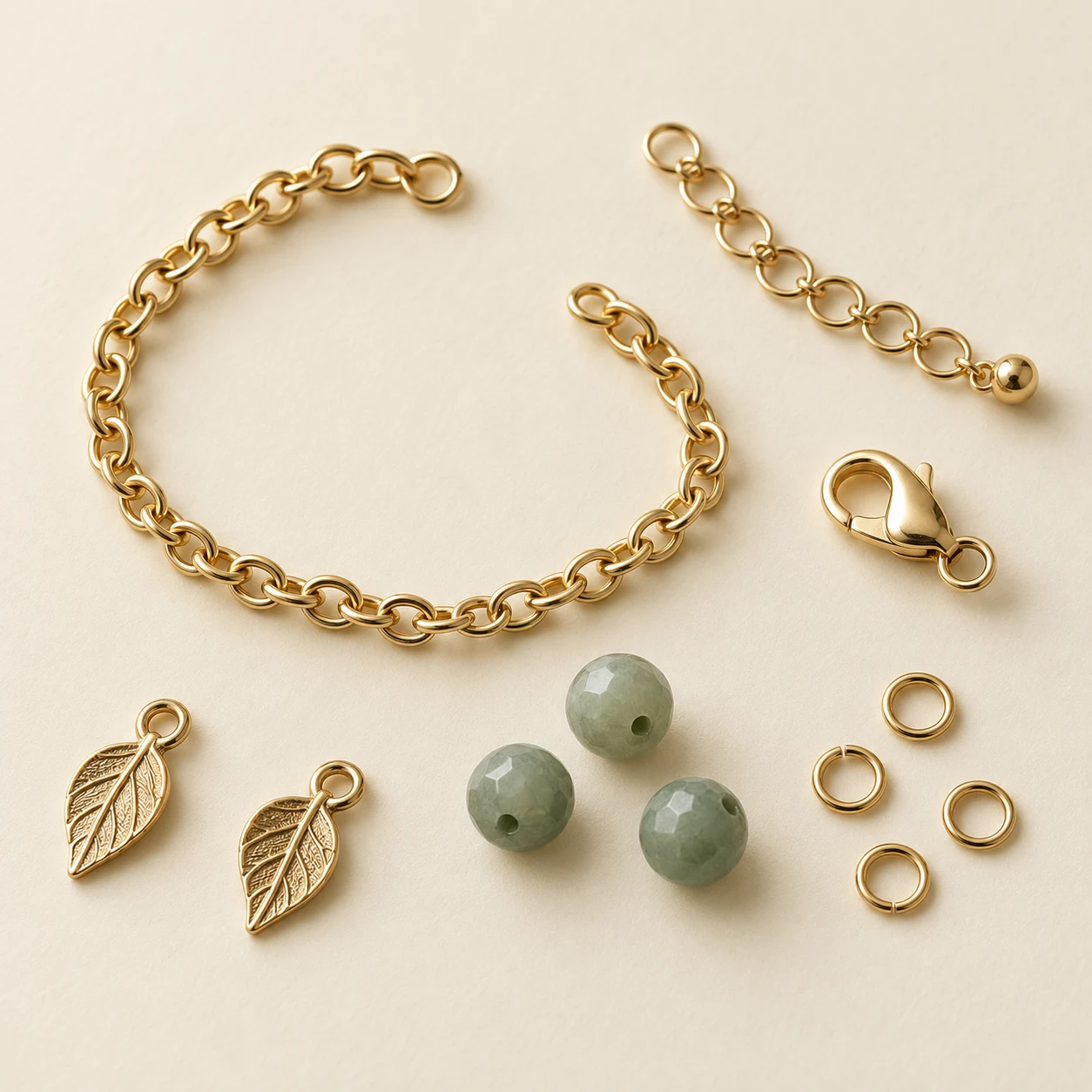
Check by jewelry type:
- Earrings: ear attachment, decorative orientation and pair matching.
- Necklaces: clasp connection and pendant clearance over chain ends.
- Bracelets: closure access and connector movement.
- Rings: size and fit between stone, setting and ring.
Confirm part availability before finalizing the design.
Select Findings by Function, Not Appearance Alone
Choose by function, connection, movement and assembly sequence before appearance. Confirm proposed options and specifications.
| Component role | What to check | Useful information to send |
|---|---|---|
| Connector, loop, or ring | Opening method, connection size, and movement | Dimensions and a drawing of both connected parts |
| Clasp or closure | How it opens, attaches, and fits the design | Closure style, attachment-point dimensions, and intended use |
| Chain-related part | Connection to chain ends, clasps, or pendants | Chain dimensions and a picture of the connection |
| Earring component | Attachment to the ear and decorative element | Earring structure, orientation, and skin-contact requirements |
| Decorative attachment | How a charm or pendant hangs or connects | Attachment opening, orientation, and reference image |
| Setting | How the stone is held and attached to the piece | Stone shape and dimensions, mounting method, and intended use |
Check Compatibility Before Comparing Options
Measure openings and contact surfaces with labeled units and tolerances. Outer diameter does not establish internal clearance. Check movement, operation, orientation and symmetry against drawings, samples or supplier specifications.
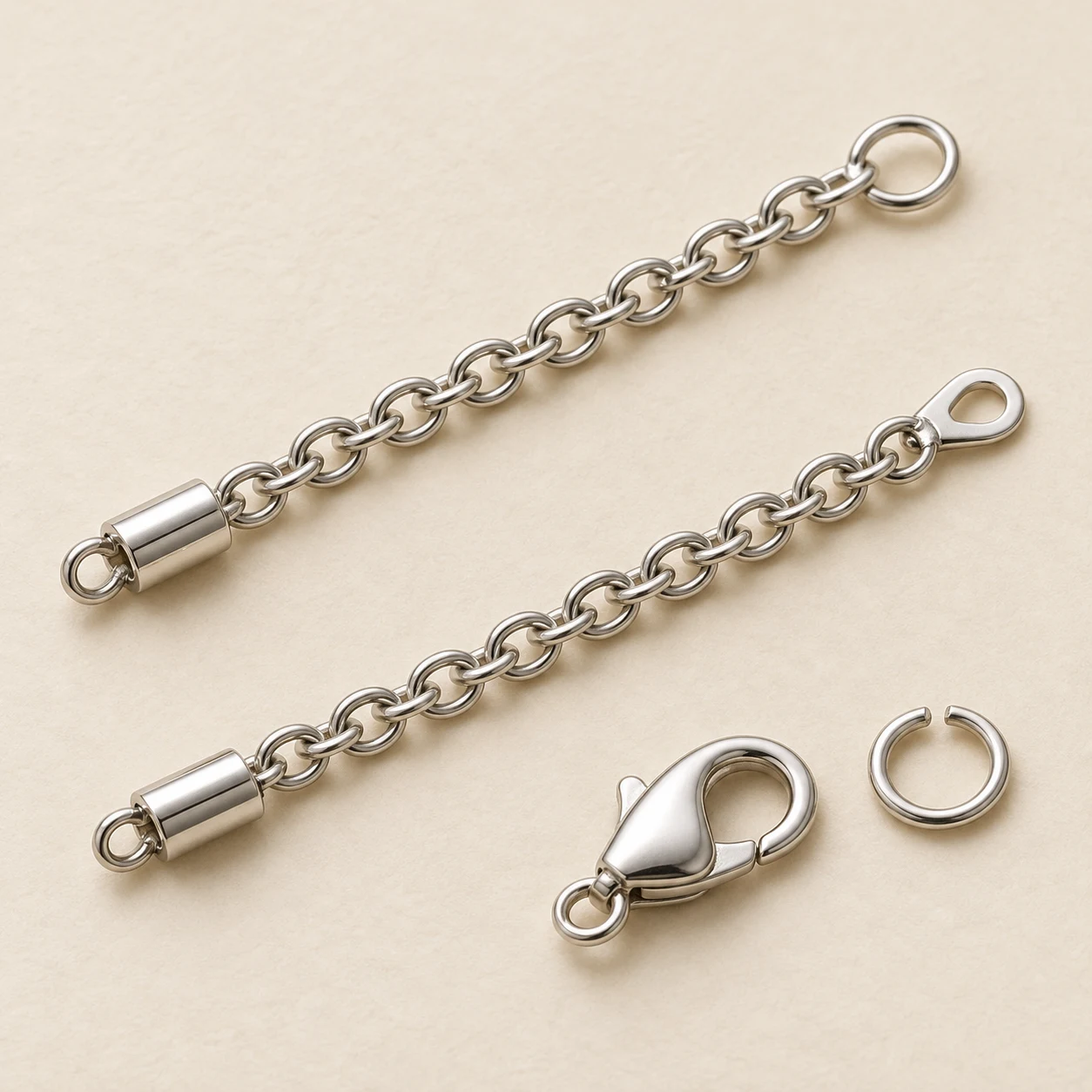
Chain, Clasp, and Connecting-Part Checks
Assess chain, clasp and rings together: attachment size and shape, operating clearance and whether decoration must pass over the chain end. State the intended connection method for assembly.
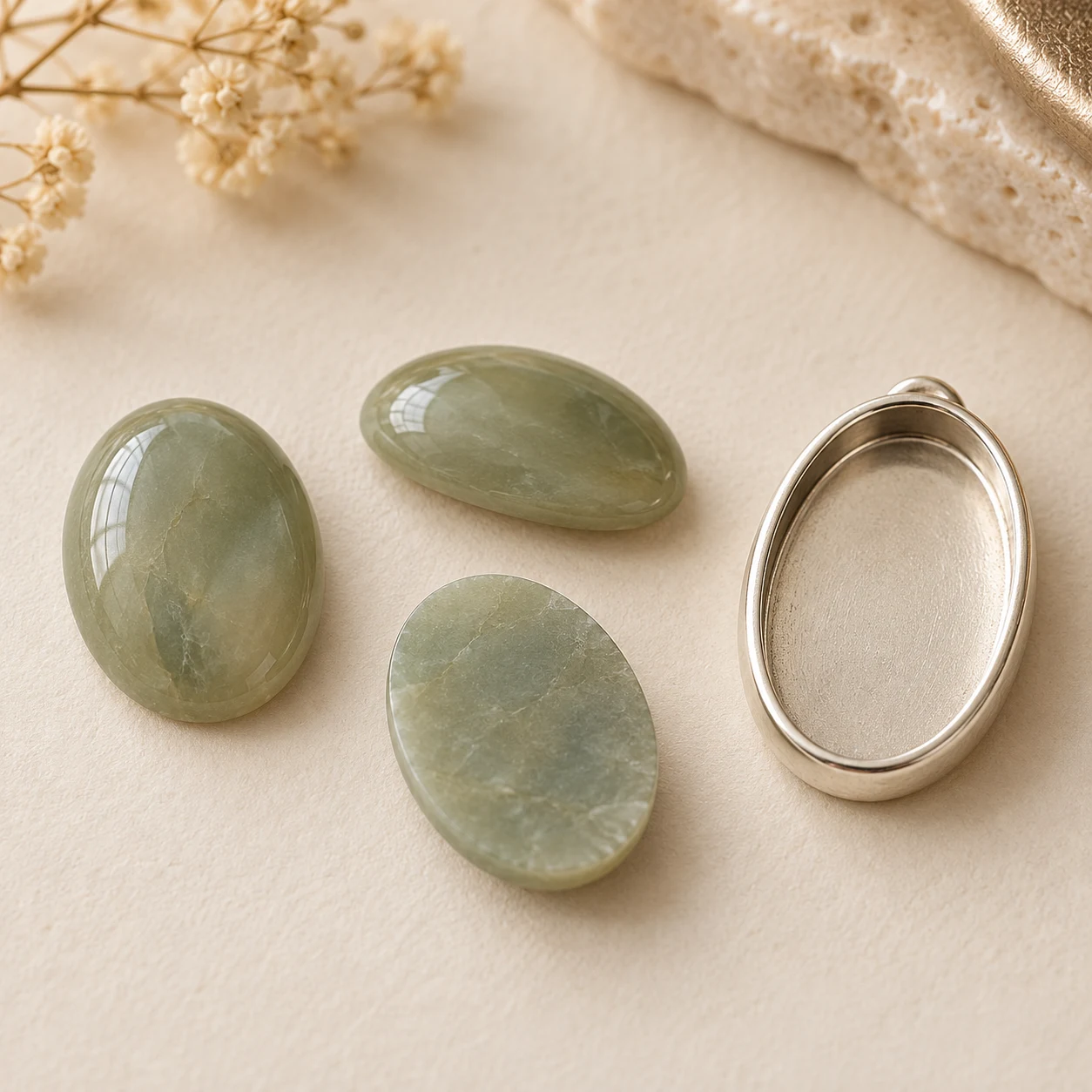
Settings, Stones, and Decorative Components
Match setting and stone type, shape, dimensions and mounting method, including depth. Define use and who mounts the stone, and confirm available ranges and fit using specifications or samples. Check decorative attachment openings and final orientation.
Define Material, Color, and Finish Requirements
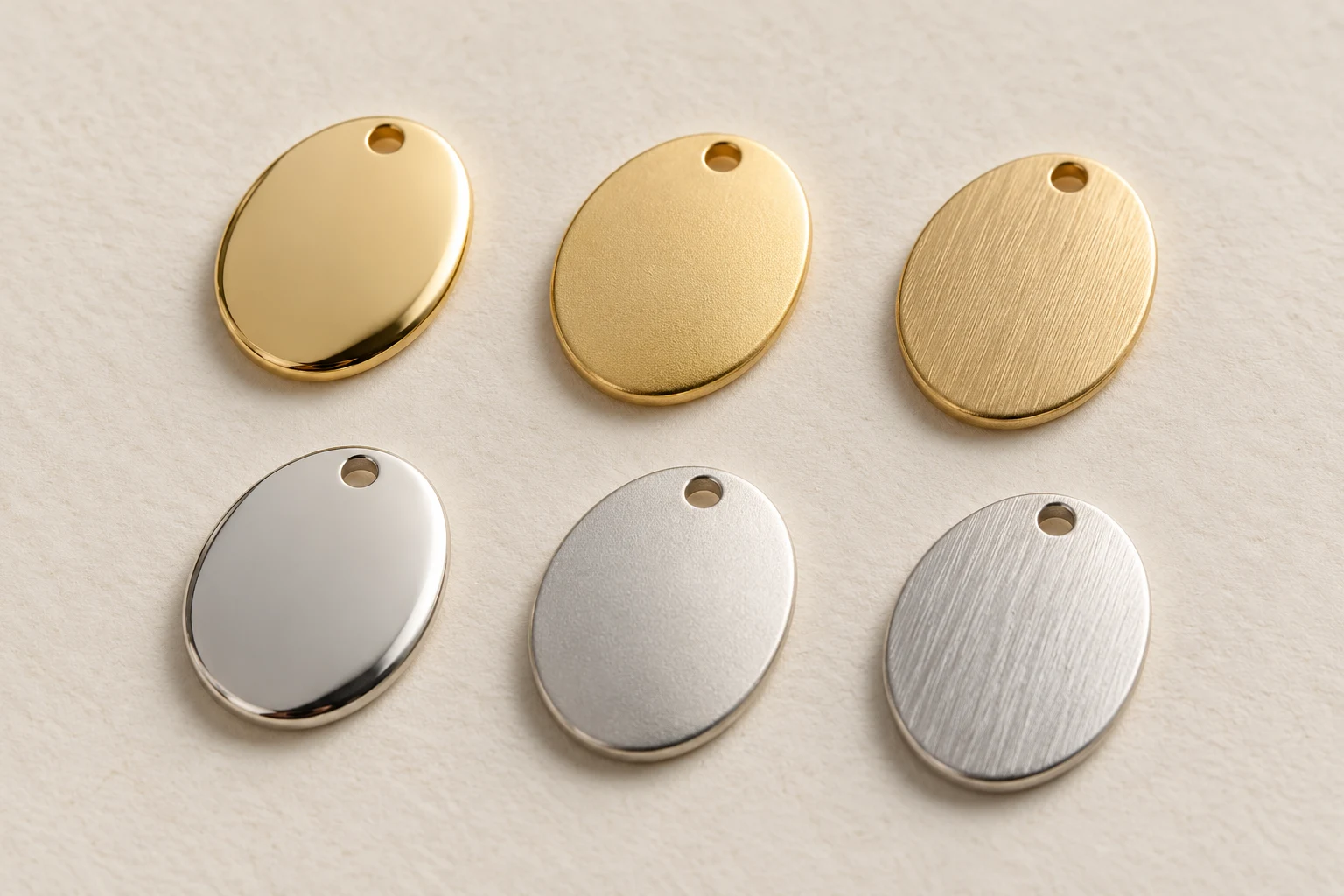
Separate base material from coating, treatment and finish. Use a common matching reference. Identify skin contact and market requirements; verify composition, treatment disclosures and evidence for the actual parts.
Specify the Details a Supplier Needs to Quote
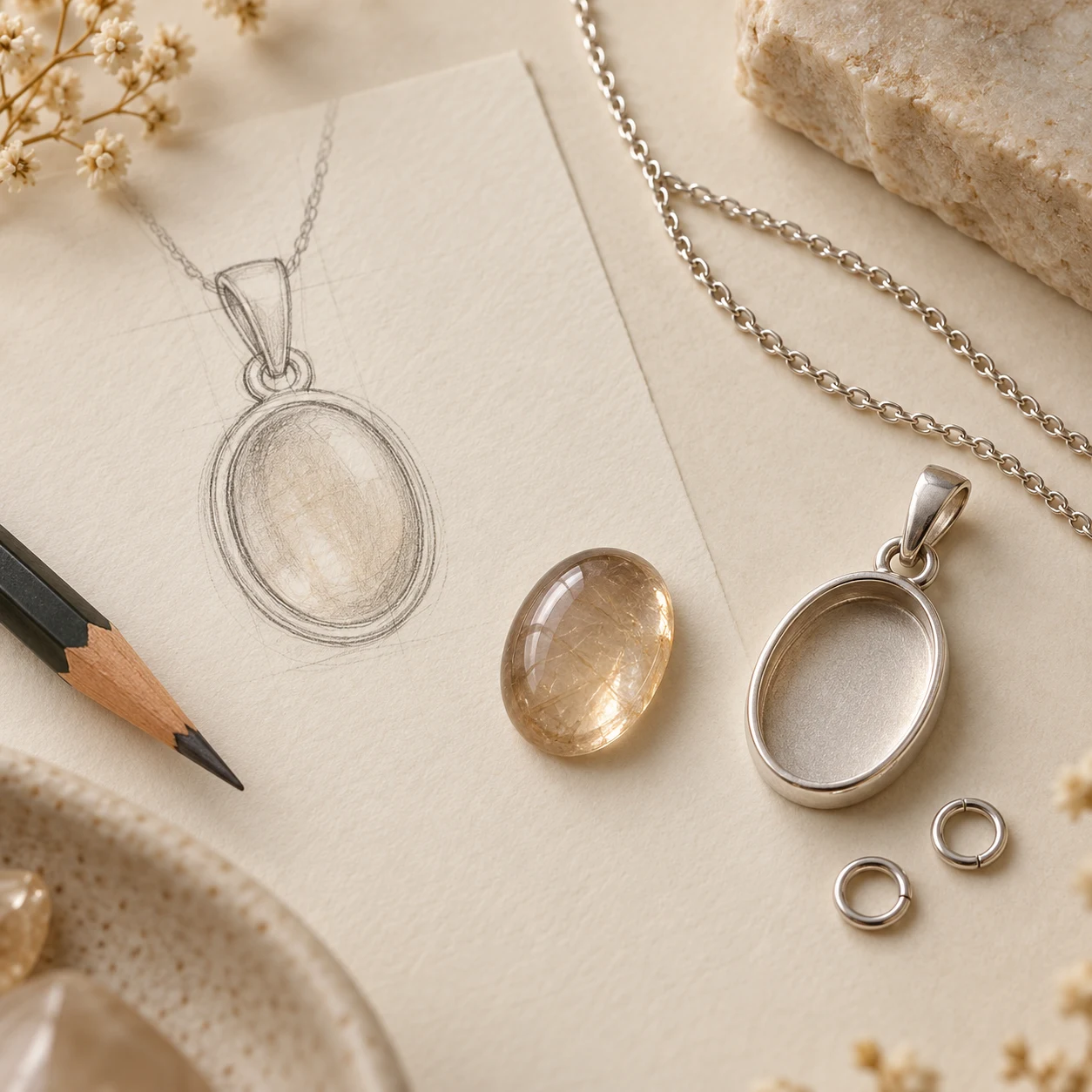
Provide part names and functions, measured references, connections and tolerances, material and finish requirements, quantities per variation, packaging and assembly scope, market, timing, acceptance criteria and documentation. Mark unknown details instead of guessing.
Choose the Right Purchasing Route
| Route | When it may fit | Questions to resolve |
|---|---|---|
| Single findings category | You know the part and need it for your own assembly | Confirm the part specification, quantity, and compatibility with existing components. |
| Coordinated multi-component sourcing | Your list includes several types of parts | Identify quantities and matching requirements for each item; confirm the coordination scope. |
| Assembly from sourced components | You need parts put together as jewelry | Share the assembly method and confirm which steps and checks can be arranged. |
| Custom or semi-custom development | You need a new or modified component or design | Provide a drawing or reference and confirm the available development and sample scope. |
Confirm the scope of sourcing, coordination, assembly or customization for your design and order.
Common Findings Selection Risks to Resolve Early
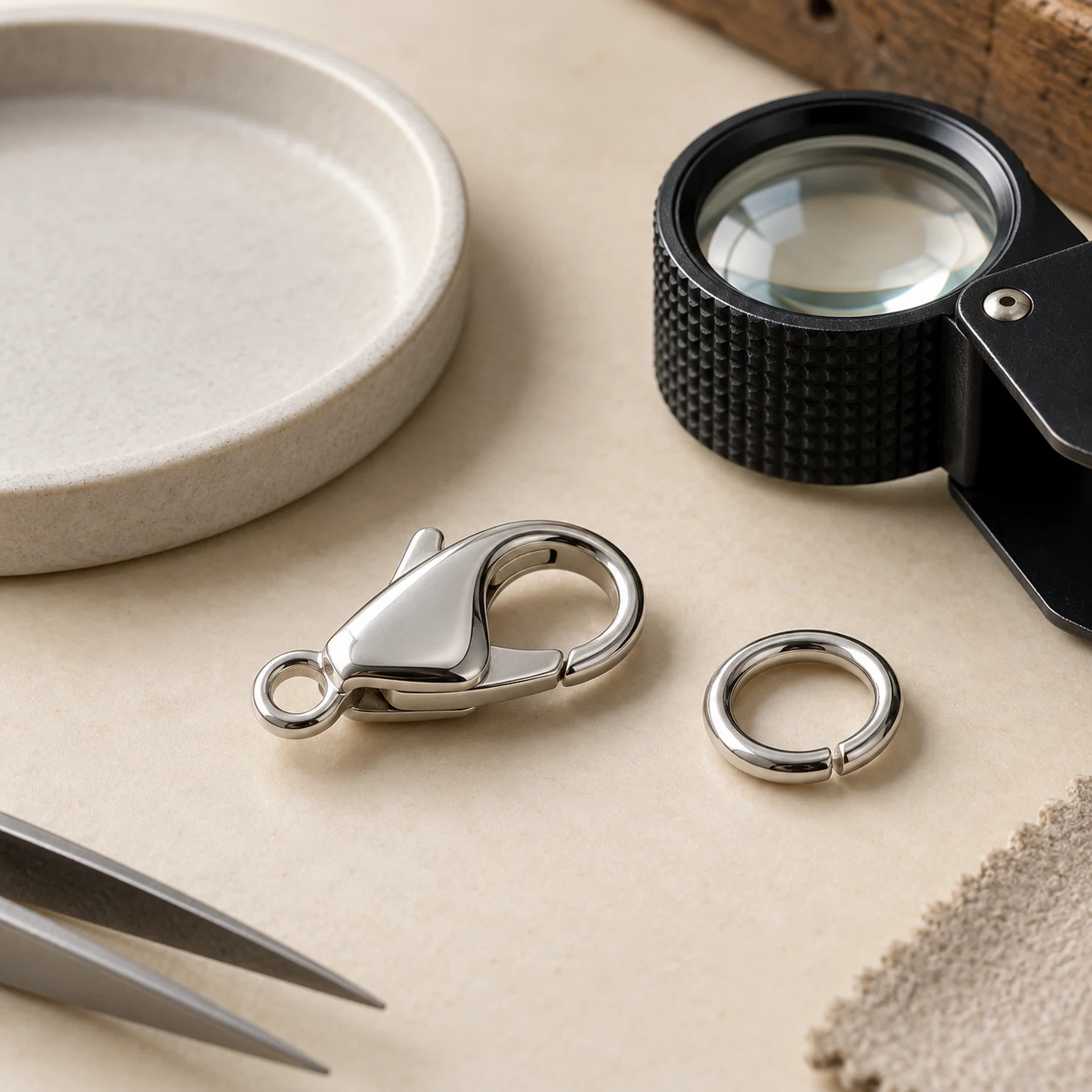
Resolve before ordering:
- Interface dimensions, units and tolerances.
- Base material, coatings and evidence.
- Shared finish references and assessment methods.
- Quantities per component and variant.
- Sample availability, fees and approval records.
- Inspection criteria, responsibility and records.
- MOQ, lead time and delivery terms for the specific request.
Turn Your Findings List into a Quote Request
Send parts, use, dimensions, material or finish, quantities, market, timing and assembly or quality needs. Upload a BOM or references; agree separately on physical-sample submission.